New Toyota Hilux: Electric Power & Modern Redesign
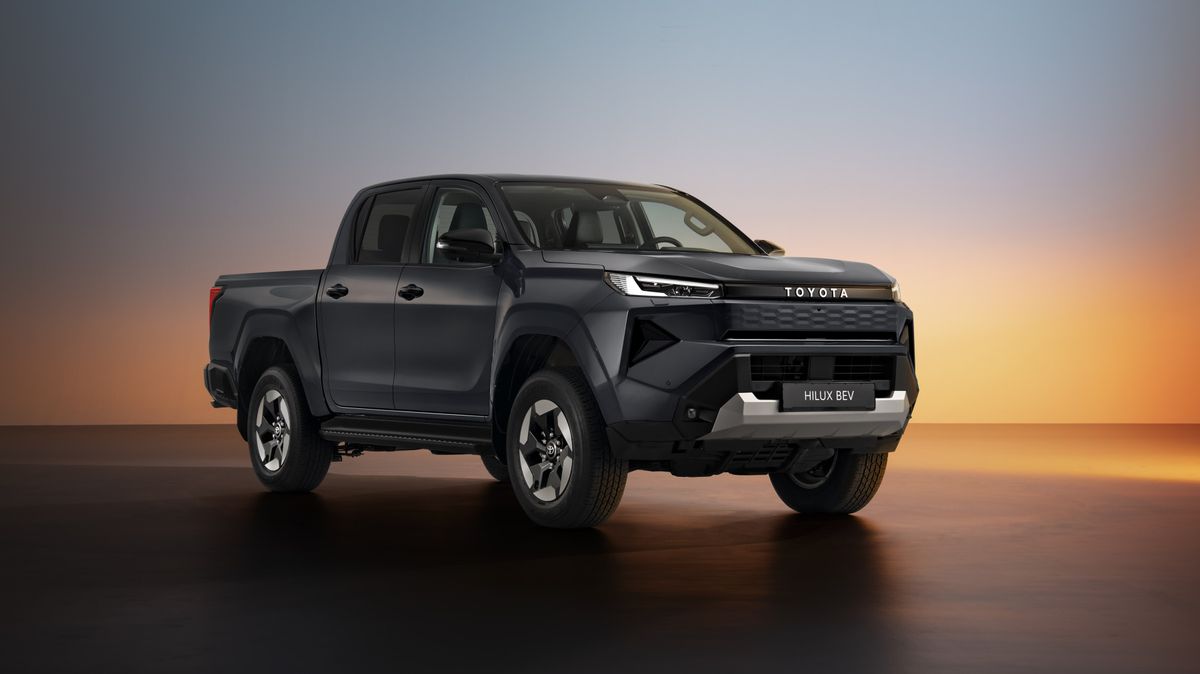
Toyota Electrifies Legendary Hilux in Major Shift for Global Pickup Market
Toyota Motor Corp. is signaling a significant strategic pivot in its commercial vehicle lineup with the unveiling of a comprehensively redesigned Hilux pickup, featuring a groundbreaking fully electric variant. This move marks a crucial step for the Japanese automotive giant, long a leader in hybrid technology but slower to embrace full electrification, as it adapts its most iconic workhorse for an evolving global market shaped by stringent emissions targets and rising demand for sustainable fleet solutions.
Electrification Meets Durability: A Strategic Imperative
The introduction of a fully electric Hilux, slated for an initial rollout in Western European markets this December, underscores the intensifying pressure on automakers to decarbonize their vehicle offerings. With the European Union’s ambitious “Green Deal” targeting significant emissions reductions, and similar initiatives gaining traction worldwide, commercial vehicles like the Hilux are now firmly in the crosshairs of environmental policy. For businesses and government agencies reliant on such vehicles, the availability of a zero-emission option from a trusted brand like Toyota could significantly influence procurement decisions and fleet transformations.
Globally, the light commercial vehicle segment, including pickup trucks, contributes substantially to road transport emissions. Toyota’s commitment to electrifying the Hilux, a model renowned for its reliability and utility across diverse industries from agriculture to construction, positions the company to capture a burgeoning market as businesses seek to comply with environmental regulations and enhance their sustainability credentials. This strategic evolution highlights a broader trend within the automotive sector, where even traditional heavy-duty segments are facing rapid transformation.
The Electric Hilux: Performance and Practicality
The new electric Hilux will feature a dual-motor setup, delivering a combined output of 144 kilowatts (196 horsepower). Power comes from a 59.2 kWh battery, providing an estimated WLTP range of approximately 240 kilometers (around 150 miles). While this range is modest compared to some passenger EVs, it is often sufficient for daily tasks in urban delivery or specific industrial applications, particularly when coupled with accessible charging infrastructure.
Key specifications for the electric variant include:
- Payload Capacity: 715 kilograms (1,576 lbs)
- Towing Capacity: 1.6 metric tons (3,527 lbs)
- Chassis: Enhanced IMV ladder frame, electric power steering
- Off-road: All-wheel drive with low-range gearing, standard rear differential lock, Multi-Terrain Select drive modes
Looking ahead, Toyota has also revealed plans for a hydrogen fuel cell version, signaling a multi-faceted approach to sustainable mobility for the Hilux platform.
Design & Interior: A Modern Evolution
Beyond the powertrain innovations, the new Hilux presents a markedly more modern aesthetic. The exterior boasts contemporary low-set LED headlights, a redesigned painted grille, and a robust bumper. The fully electric model distinguishes itself with a closed front grille, enhancing its futuristic appeal and aerodynamic efficiency. While the profile largely echoes its predecessor, new wheel designs contribute to a fresh look.
The cabin receives a significant overhaul, prioritizing a modern user experience without sacrificing utility:
- Steering Wheel: Borrowed from the upscale Land Cruiser model.
- Digital Displays: A 12.3-inch digital instrument cluster and a similarly sized infotainment screen dominate the dashboard in higher trims (smaller screens in entry-level models).
- Physical Controls: Crucially for a work vehicle, Toyota has maintained a substantial array of physical buttons and switches, offering intuitive control for drivers who may wear gloves or prefer tactile feedback.
- Practicality: Ample storage compartments and an enhanced suite of safety and driver-assistance systems underscore the vehicle’s dual role as a modern commuter and a dependable workhorse.
Diverse Powertrains for Diverse Markets
Recognizing the varied demands of its global customer base, Toyota will continue to offer a range of conventional and mild-hybrid powertrains. These options will be strategically distributed across different markets:
- Western Europe: Primarily targeting the fully electric and mild-hybrid diesel variants to align with stricter emissions regulations. The mild-hybrid diesel will feature a familiar 2.8-liter four-cylinder engine.
- Eastern Europe and Other Global Markets: Pure gasoline (2.7-liter) and diesel (2.8-liter) versions will remain available, catering to regions where charging infrastructure is less developed or specific duty cycles favor traditional combustion engines.
The combustion models will maintain impressive work capabilities, including a 1,000-kilogram (2,204 lbs) payload capacity and a 3.5-metric ton (7,716 lbs) towing capacity, ensuring the Hilux’s legendary durability and strength persist across its varied lineup.
Market Entry and Industry Impact
The new generation Toyota Hilux is expected to begin its market rollout in December, with the fully electric version leading the charge. This strategic launch emphasizes Toyota’s intent to establish a foothold in the electric commercial vehicle segment early. At 5320 mm long with a 3085 mm wheelbase, and a four-door cabin configuration for Europe, the Hilux aims to strike a balance between a refreshed design, advanced technology, and its proven rugged reliability.
The Hilux has long been more than just a vehicle; it’s a tool that drives industries and supports livelihoods worldwide. Toyota’s decision to bring electrification to this vital segment is not just a technological upgrade, but a testament to the profound shifts occurring across the automotive landscape, pushing even the most traditional models towards a more sustainable future.