Namewee Bail Extended: Police Await Post-Mortem Report
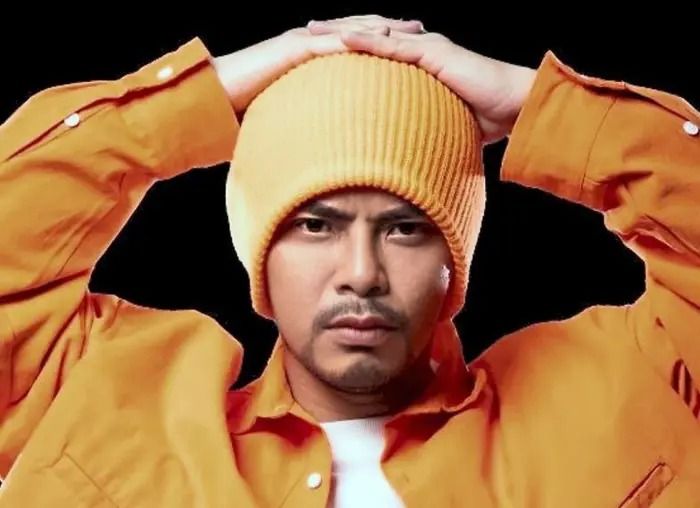
Namewee’s Bail Extended as Malaysian Police Await Toxicology Results in Death Investigation
KUALA LUMPUR – The bail for Malaysian rapper Wee Meng Chee, widely known as Namewee, has been extended for another two weeks, as authorities continue to investigate the death of a 31-year-old man found in a Kuala Lumpur hotel room. The extension, granted on Wednesday, November 26th, keeps Namewee under scrutiny until December 10th, according to Kuala Lumpur police chief Comm Datuk Fadil Marsus.
This case, while seemingly localized, touches upon broader concerns regarding drug use and the vulnerability of public figures in Southeast Asia. Malaysia maintains some of the strictest drug laws in the region, with mandatory death penalties for certain offenses, though there’s been increasing debate about their efficacy and human rights implications.
A Timeline of Events and Rising Public Interest
The investigation began on October 22nd, when Namewee was identified as the last known person to have been with the victim in a hotel room. Initial reports indicated Namewee was arrested on suspicion of drug possession and use. He subsequently appeared in the Jalan Duta Court on October 24th, pleading not guilty to the drug-related charges and was released on bail.
The current extension of bail is directly linked to the ongoing wait for the complete post-mortem and toxicology reports. These reports are crucial in determining the cause of death and whether any substances played a role. The delay in receiving these results has fueled speculation within Malaysian social media and among Namewee’s fans, who have been vocal in their support for the artist.
Namewee, known for his often satirical and politically charged music videos, has amassed a significant following both within Malaysia and internationally. His work frequently tackles sensitive social and political issues, sometimes drawing criticism from conservative elements within the country. This high profile inevitably amplifies the scrutiny surrounding any legal issues he faces.
The Shadow of Drug-Related Crime in Malaysia
Malaysia has been grappling with a persistent issue of drug trafficking and abuse for decades. The country serves as a transit point for illicit drugs, particularly methamphetamine, destined for markets in East Asia and beyond. According to the United Nations Office on Drugs and Crime (UNODC), global methamphetamine seizures have more than doubled in the past decade, with Southeast Asia being a major production and trafficking hub. In 2021, methamphetamine accounted for 63% of all drug seizures in East and Southeast Asia.
The Malaysian government has implemented various strategies to combat drug-related crime, including strict law enforcement measures and rehabilitation programs. However, the issue remains a significant challenge, with concerns about corruption and the effectiveness of current policies. The focus on punitive measures, while intended to deter drug use, has also been criticized for contributing to overcrowding in prisons and disproportionately affecting vulnerable populations.
Navigating Legal Complexities and Public Perception
The investigation into the death is being handled with a degree of sensitivity, given Namewee’s public profile. Police are keen to avoid any perception of bias and are emphasizing their commitment to a thorough and impartial investigation. Comm Datuk Fadil Marsus has stated that the police are treating the case with the utmost seriousness and are following all due legal processes.
The case also highlights the challenges faced by law enforcement in dealing with high-profile individuals. The media attention and public scrutiny can add pressure to the investigation, and it is crucial to maintain transparency and accountability throughout the process. The extended bail period allows investigators additional time to gather evidence and build a comprehensive understanding of the events leading up to the victim’s death.
Beyond Borders: The Global Impact of Celebrity Scrutiny
The intense public interest in this case isn’t unique to Malaysia. Globally, the legal troubles of celebrities often become major news events, raising questions about justice, privilege, and the role of the media. From the trials of pop stars to the investigations of Hollywood actors, these cases often spark intense debate and scrutiny. The speed at which information spreads through social media amplifies these effects, creating a constant cycle of speculation and commentary.
This case serves as a reminder that even in a seemingly localized incident, broader themes of justice, accountability, and the complexities of drug-related crime are at play. The outcome of the investigation will undoubtedly have implications for Namewee’s career and reputation, but it also has the potential to contribute to a wider conversation about drug policy and the challenges of law enforcement in a rapidly changing world.