Michigan Football Coach Jailed After Firing Over ‘Inappropriate Relationship’

Michigan Football Coach’s Fall From Grace: A Cautionary Tale of Power and Peril
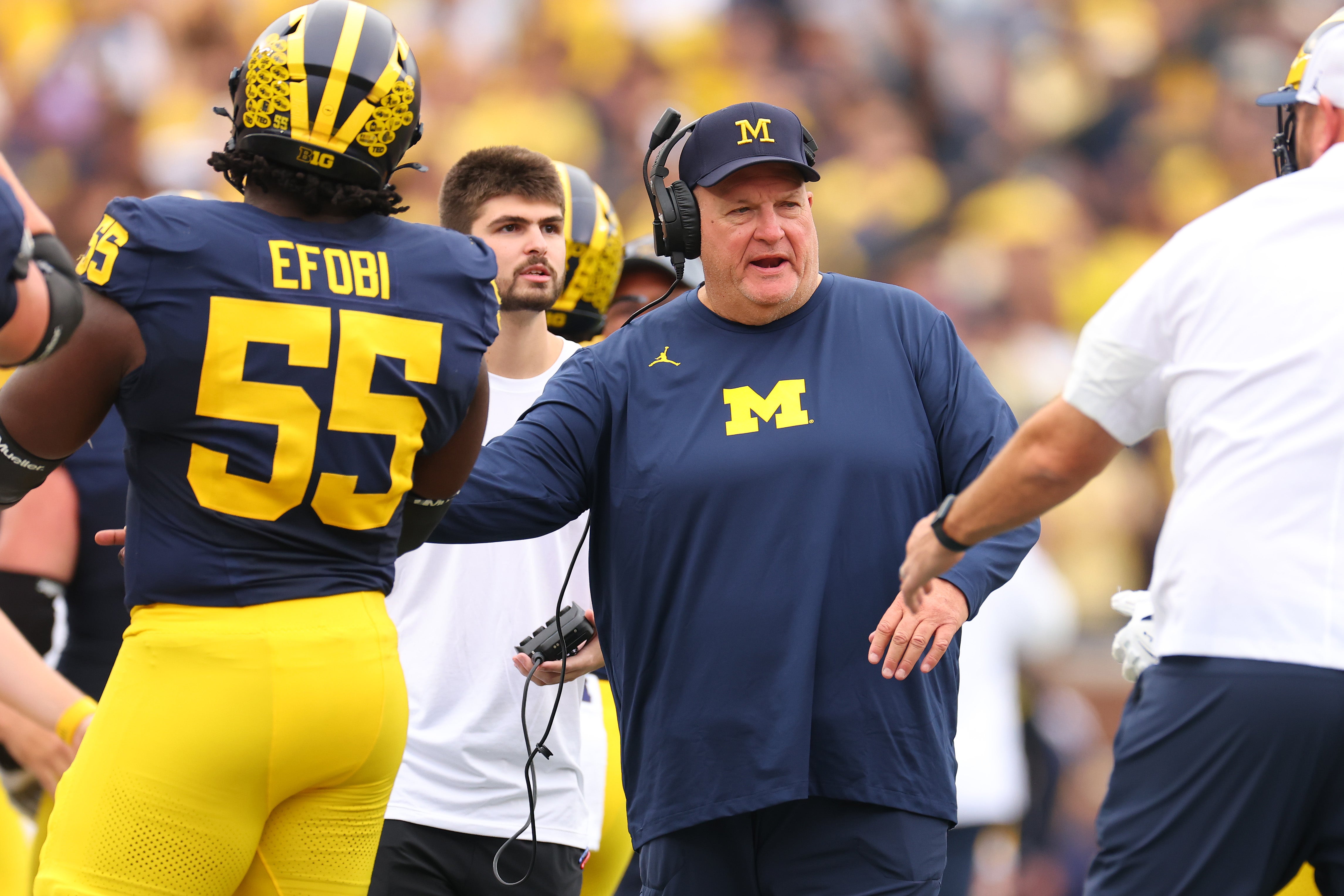
The University of Michigan’s recent upheaval in its football program extends far beyond the gridiron, serving as a stark reminder of the pressures and potential pitfalls facing high-profile figures in the world of collegiate athletics. Just hours after being dismissed for what the university termed an “inappropriate relationship,” former head coach Sherrone Moore, 39, was detained by authorities in Saline, Michigan, before being transferred to the Pittsfield Township Police Department. The swiftness of his downfall has sent shockwaves through the college football landscape and ignited a broader conversation about accountability and ethical conduct within institutions of higher learning.
The initial arrest, shrouded in ambiguity with reports of a potential assault, quickly clarified into a probe surrounding the coach’s conduct with a staff member. University officials confirmed Moore was fired “with cause” following an investigation that uncovered “credible evidence” of an inappropriate relationship – a violation of university policy with zero tolerance. This isn’t simply a local scandal; it’s a case that resonates globally, given the immense cultural influence of American college sports and the increasing scrutiny of power dynamics within these institutions.
The Weight of Expectation: A Legacy Under Scrutiny
Moore’s tenure at Michigan, though brief as head coach, was steeped in expectation. He inherited a program recently elevated to national prominence by Jim Harbaugh, who departed for the NFL after leading the Wolverines to a National Title. Moore, the first African American head coach in the university’s history, had served as Harbaugh’s offensive coordinator and interim head coach during the latter’s suspension. This suspension, itself a consequence of a separate scandal – a controversial sign-stealing operation – already cast a shadow over the program.
The NCAA imposed a $20 million fine on the University of Michigan for the sign-stealing scheme, a practice where teams illegally decode opponents’ signals. Sign-stealing, while a long-standing, often grey-area tactic, is explicitly banned by the NCAA, prohibiting scouts from attending future opponents’ games and the use of electronic equipment for signal interception. Moore received a three-game suspension for his involvement, a penalty he was slated to complete next season.
This pattern of controversy raises questions about the culture within the Michigan football program and the pressures placed on coaches to win at all costs. The incident also highlights a broader trend: a 2022 report by the OECD found that nearly one in five students report experiencing bullying or harassment in higher education institutions, suggesting a systemic issue of power imbalances and inappropriate behavior.
Beyond the Field: The Human Cost of High-Profile Scandals
The fallout from Moore’s dismissal extends beyond the university and the football team. Students expressed a mix of shock and disappointment. Lena Reeves, a student at the University of Michigan, described the situation as “pretty crazy,” while acknowledging a disturbing pattern: “it’s happening a lot with people in high coaching positions.” David Lightman, a senior, lamented the coach’s failure to live up to the expectations of his role, stating he “disrespected the athletic department and the school.”
The reaction on social media was equally swift. Brandyn Hillman, a team safety, simply tweeted “wow” in response to the news. However, amidst the disappointment, there’s also a sense of cautious optimism surrounding the appointment of Biff Poggi as interim coach. Poggi successfully led the team in two games earlier this year while Moore was sidelined.
wow
— Brandyn Hillman (@dmv_b3) December 12, 2023
A Global Lens: The Erosion of Trust in Institutions
The Moore case isn’t isolated. It’s part of a larger global trend of scandals involving individuals in positions of power – from sports to politics to entertainment – being exposed for misconduct. This erosion of trust in institutions is a significant concern, particularly in an era of increasing polarization and misinformation. According to a 2023 Edelman Trust Barometer, trust in institutions globally remains low, with only 40% of respondents believing that institutions are competent and ethical.
The swift condemnation from figures like Dave Portnoy, founder of Barstool Sports, underscores the public’s demand for accountability. Portnoy’s statement, posted on X (formerly Twitter), praised Michigan for refusing to “look the other way” and upholding a “moral code.” While Portnoy’s own history is often controversial, his sentiment reflects a growing expectation that institutions will prioritize ethical behavior over winning or protecting their reputations.
Looking Ahead: A Need for Systemic Change
The University of Michigan’s handling of the Moore situation – the swift investigation, the decisive firing, and the cooperation with law enforcement – sets a precedent for other institutions facing similar challenges. However, addressing the underlying issues that contribute to such scandals requires a more systemic approach. This includes strengthening ethical guidelines, providing comprehensive training for coaches and staff, and fostering a culture of transparency and accountability.
The case also serves as a reminder that even in the highly visible world of college sports, the human cost of misconduct is significant. Moore’s personal life – his wife and three daughters – has been thrust into the spotlight, highlighting the far-reaching consequences of his actions. As the investigation continues and the University of Michigan moves forward, the focus must remain on ensuring a safe and ethical environment for all members of the university community.