Merkel Reflects on Pandemic: “Democratic Imposition” & Receives Award
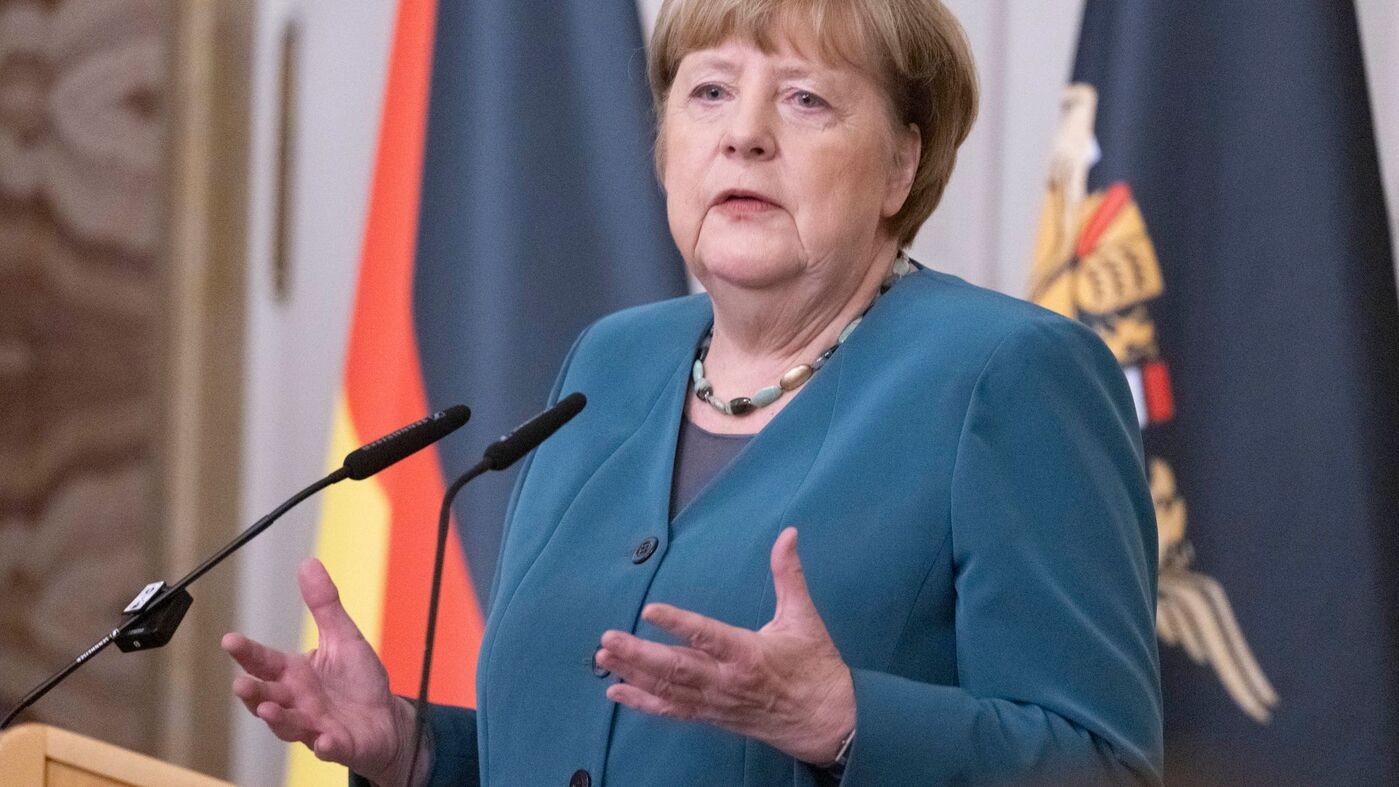
Merkel Reflects on Pandemic as a ‘Democratic Strain,’ Receives Honor
Stuttgart, Germany – Former German Chancellor Angela Merkel has described the COVID-19 pandemic as one of the most challenging periods of her tenure, a time that forced difficult decisions impacting civil liberties and fundamentally testing the principles of democratic governance.
Speaking in Stuttgart, Merkel recalled a stark realization early in the crisis: the scientifically-backed solution – minimizing contact to curb the virus’s exponential spread – clashed with fundamental human needs for social connection. “We demanded that people not behave humanly,” she stated, acknowledging the profound disruption to everyday life.
The pandemic, she added, presented a uniquely difficult dilemma for someone who came of age in East Germany. “I didn’t think that, coming from the GDR, I would have to temporarily suspend civil liberties 30 years after the fall of the Wall,” Merkel said. “The pandemic was a democratic strain.”
Recognition for Crisis Leadership
Merkel’s reflections came as she received the Staufer Medal in Gold from Baden-Württemberg’s Minister President Winfried Kretschmann. The medal, a personal honor bestowed by the Minister President, recognizes individuals for their service to the state and its people.
Kretschmann lauded Merkel’s “decisive, prudent, and effective leadership” during the pandemic, emphasizing the weight of the decisions she faced. He noted the devastating toll of the virus, with nearly 190,000 deaths in Germany and hundreds of thousands continuing to grapple with the long-term effects of Long Covid. Kretschmann argued that Merkel’s actions likely prevented an even higher death toll.
“She thought as a natural scientist and weighed things up intensively,” Kretschmann said.
A Global Context of Loss and Restriction
Merkel’s experience mirrors the challenges faced by leaders worldwide as they navigated the unprecedented crisis. The pandemic triggered widespread restrictions on movement, assembly, and economic activity, raising complex questions about the balance between public health and individual freedoms. Globally, the World Health Organization estimates that the pandemic led to 14.9 million excess deaths between January 1, 2020, and December 31, 2021 – significantly higher than official COVID-19 death counts.
The measures implemented to combat the virus, including mask mandates, vaccination campaigns, and lockdowns, remain a subject of debate. However, the Staufer Medal recognizes Merkel’s leadership during a period of immense uncertainty and pressure, acknowledging the difficult choices she made in the face of a global health emergency.
The Staufer Medal, typically awarded in silver, is reserved for exceptional contributions. Named after the Swabian dynasty of the Staufer family, it represents a long tradition of recognizing individuals who have served the region and its people.