McLaren F1: How Driver Conflicts Are Resolved Behind Closed Doors | Norris & Piastri
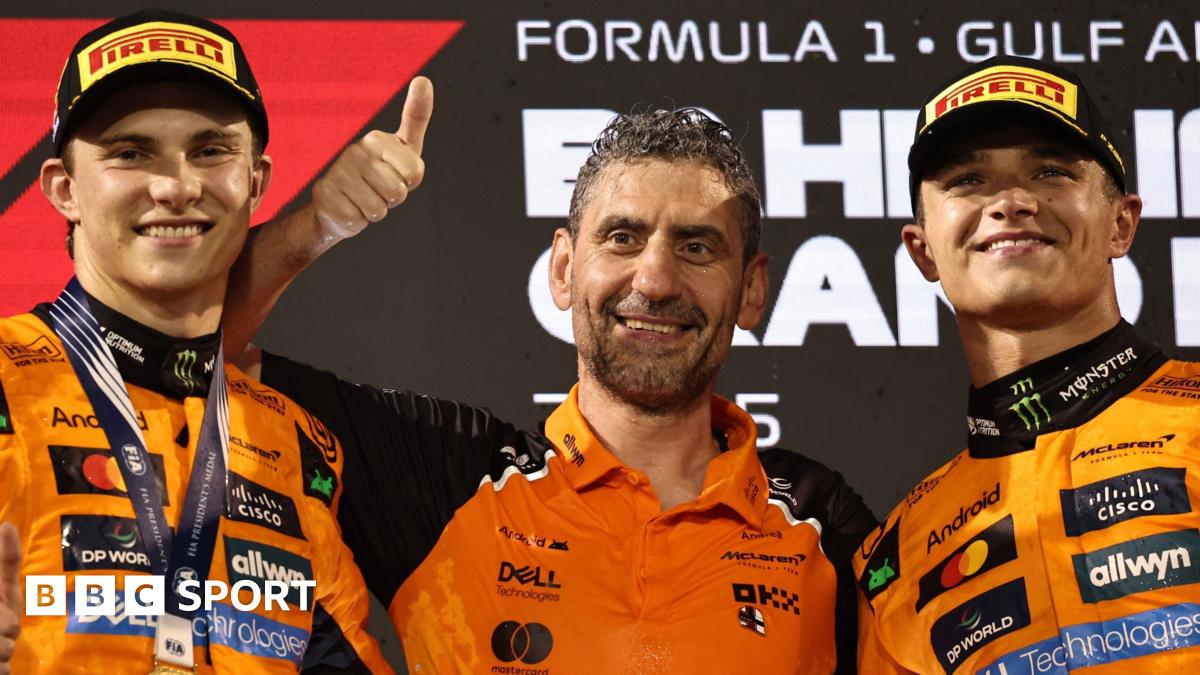
McLaren Navigates Tightrope of Team Orders and Driver Ambition
The pursuit of Formula 1 glory is rarely a solo endeavor, and McLaren Racing is currently demonstrating the delicate balance required to foster both fierce competition and cohesive teamwork. While outwardly projecting an image of open communication and equitable opportunity, the team has faced scrutiny this season over a series of on-track incidents involving its drivers, Lando Norris and Oscar Piastri. These moments, occurring in Hungary, Italy, Singapore, and Austin, have sparked external debate about potential favoritism and excessive meddling from the pit wall, but internally, McLaren insists a consistent process of review and resolution is maintaining harmony.
Incidents Raise Questions of Fairness
The incidents themselves paint a complex picture. In Hungary, Norris was granted the flexibility to switch to a one-stop strategy, ultimately overtaking Piastri despite the Australian’s earlier track position. At Monza, a pre-planned pit stop reversal resulted in a slow stop for Norris and a subsequent instruction for Piastri to cede second place. Singapore saw a robust pass by Norris on Piastri at the race start, prompting a radio query from the Australian about the legality of the move. Most recently, a sprint race collision in Austin eliminated both drivers from contention. Each scenario has fueled speculation, with some observers alleging preferential treatment for Norris, while others criticize McLaren for overmanaging the race.
The tactical considerations behind these decisions are significant. In modern F1, tire management and strategic flexibility are paramount. Allowing Norris the one-stop in Hungary, while seemingly unconventional, proved to be a calculated risk that paid off, showcasing the team’s willingness to deviate from established plans. However, the Monza reversal, intended to mirror a successful strategy from the previous year, backfired with the slow pit stop, highlighting the inherent unpredictability of the sport. These aren’t simply driver errors; they’re complex calculations involving data analysis, real-time track conditions, and an assessment of each driver’s strengths and weaknesses.
Internal Processes and Driver Buy-In
Despite the external noise, McLaren team principal Andrea Stella and CEO Zak Brown maintain that a robust internal process is effectively addressing these challenges. The team emphasizes regular meetings, both formal and informal, where drivers openly discuss race scenarios and provide feedback. Crucially, McLaren insiders report that these discussions are conducted constructively and calmly, with a focus on finding solutions that all parties can accept. This approach is vital in maintaining driver morale and preventing simmering resentment from undermining the team’s overall performance.
Both Norris and Piastri publicly support this narrative. Piastri has explicitly denied any perception of bias, stating he is “very happy that there’s no favouritism or bias.” Norris echoed this sentiment, emphasizing the drivers’ right to question team decisions while acknowledging the collaborative nature of the process. “We still always have the right to question it,” Norris stated. “We’re never going to just go around…and be happy to accept whatever the team wants to do.” This public display of unity is a deliberate effort to counter negative narratives and project an image of a cohesive team.
The Balancing Act: Competition vs. Collaboration
Brown acknowledges the perception of favoring Norris, dismissing it as “nonsense.” He points to the Hungary decision as an example of allowing drivers to take calculated risks, even if the team initially doubted the strategy’s viability. He also highlighted the Monza situation as a parallel to a successful outcome in 2023, where Norris yielded to Piastri for a race win. Brown’s core philosophy centers on fostering a competitive environment while prioritizing the team’s overall success. “If the lead car is prepared to sacrifice their rights…to help his team-mate, who’s actually his number one competitor in the championship, that’s great teamwork,” he explained.
This approach reflects a broader trend in F1, where teams are increasingly recognizing the importance of maximizing points across both cars. While a clear number one driver can sometimes yield immediate gains, a harmonious pairing that consistently delivers strong results is often more valuable in the long run. According to Statista, the average points difference between the top two teams in the Constructors’ Championship has narrowed in recent years, suggesting that consistent performance from both drivers is becoming increasingly crucial. In 2023, the difference between Red Bull (657 points) and Mercedes (409 points) was 248 points, demonstrating the importance of maximizing points from both drivers.
Ultimately, McLaren’s success hinges on its ability to navigate this complex dynamic. The team must empower its drivers to compete fiercely while simultaneously ensuring they remain aligned with the overall strategic objectives. The internal processes appear to be functioning effectively, but maintaining this delicate balance will require ongoing communication, transparency, and a willingness to adapt as the season progresses. The team’s commitment to internal resolution, even in the face of external criticism, suggests a long-term vision focused on building a sustainable and competitive future. For fans, the ongoing saga provides a fascinating glimpse into the inner workings of a top-tier F1 team and the challenges of managing two ambitious drivers vying for supremacy.