Maduro’s Change in Tone Towards Trump Analyzed by Expert
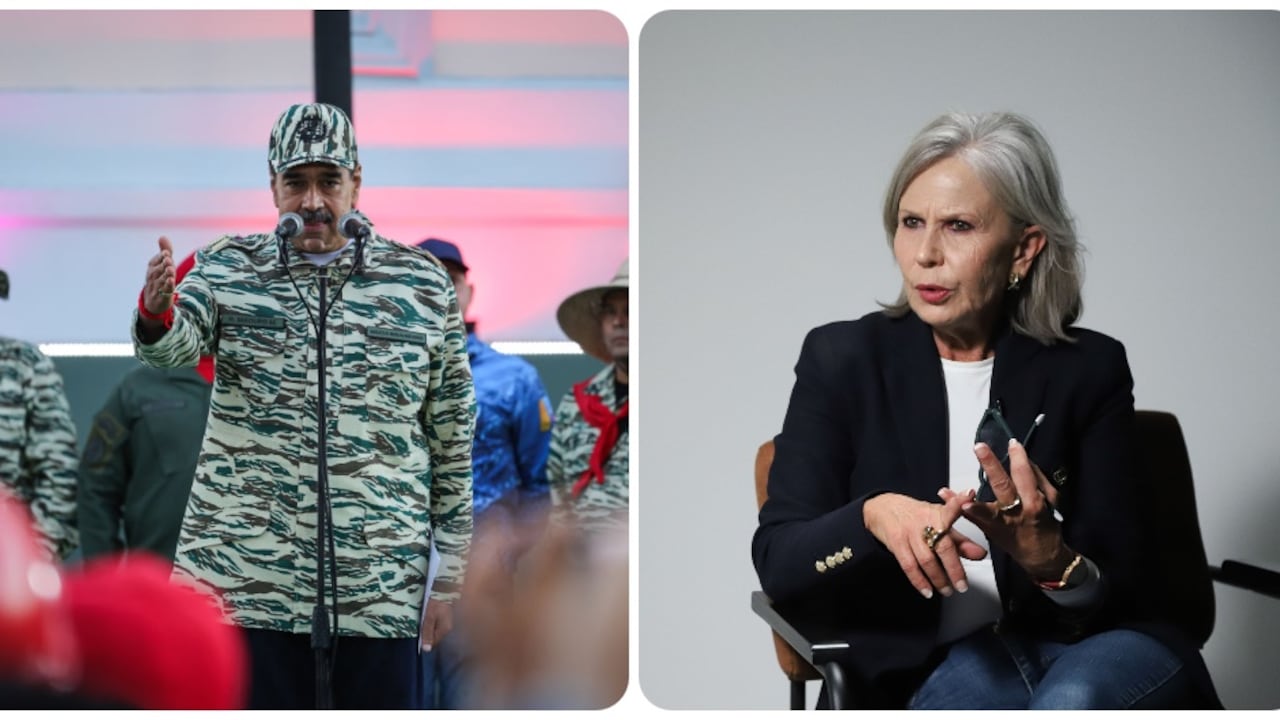
Maduro’s Rhetoric Shifts: Expert Detects Fear Amidst Evolving US Stance
A notable transformation in Venezuelan President Nicolás Maduro’s communication style, particularly when addressing the United States, has been identified by a leading expert in verbal and non-verbal communication. Rita Karanauskas, a renowned analyst consulted across Colombia for her sharp insights, observed a distinct change in Maduro’s discourse, suggesting a growing apprehension as geopolitical pressures mount.
Karanauskas, speaking on the program “Sin Filtro en SEMANA,” scrutinized several speeches, including those by Venezuelan leadership. She pointed to an intervention by Maduro that referenced U.S. President Donald Trump, highlighting an evident shift in tone that coincided with increased proximity and engagement from the U.S.
“The discourse has changed,” Karanauskas stated. “When Trump first started threatening him, Maduro was defiant. His body language was quite strong. Now that they have drawn closer, the discourse is different and conciliatory. His voice changes, becoming more measured, he speaks more softly.”
Video analysis of Maduro’s changing rhetoric.
Karanauskas explained that her analysis goes beyond the surface, uncovering subtle cues often missed. Her extensive experience leads her to conclude that Maduro’s current approach signals underlying fear. Previously, Maduro had issued direct challenges, even daring Trump to enter Venezuela and confront him personally.
“I feel the tone of the voice is similar, but there’s less emotionality,” she commented. “There are no abrupt ups and downs in his voice. The tone remains consistent, but it lacks connection with feeling.”
Expert Rita Karanauskas analyzing communication strategies.
The current discourse from Maduro emphasizes peace and regional stability, a stark departure from his earlier, more confrontational rhetoric. This shift reflects a strategic effort to avoid direct conflict with the White House.
“It’s now more intellectual than emotional; he is thinking about what he says,” Karanauskas observed. “There is no connection, and I believe he is backing down.”
Furthermore, Maduro seeks regional solidarity by framing Latin American nations as perpetually misunderstood or maligned. Karanauskas suggests this narrative is part of a broader strategy to manage perceptions, indicating that his outward expressions no longer align with his deep-seated emotions.
Watch the Full Discussion:
Full “Sin Filtro” episode featuring commentary on political rhetoric.