King Charles Cancer Treatment: Schedule Reduced – ‘Milestone’ Update
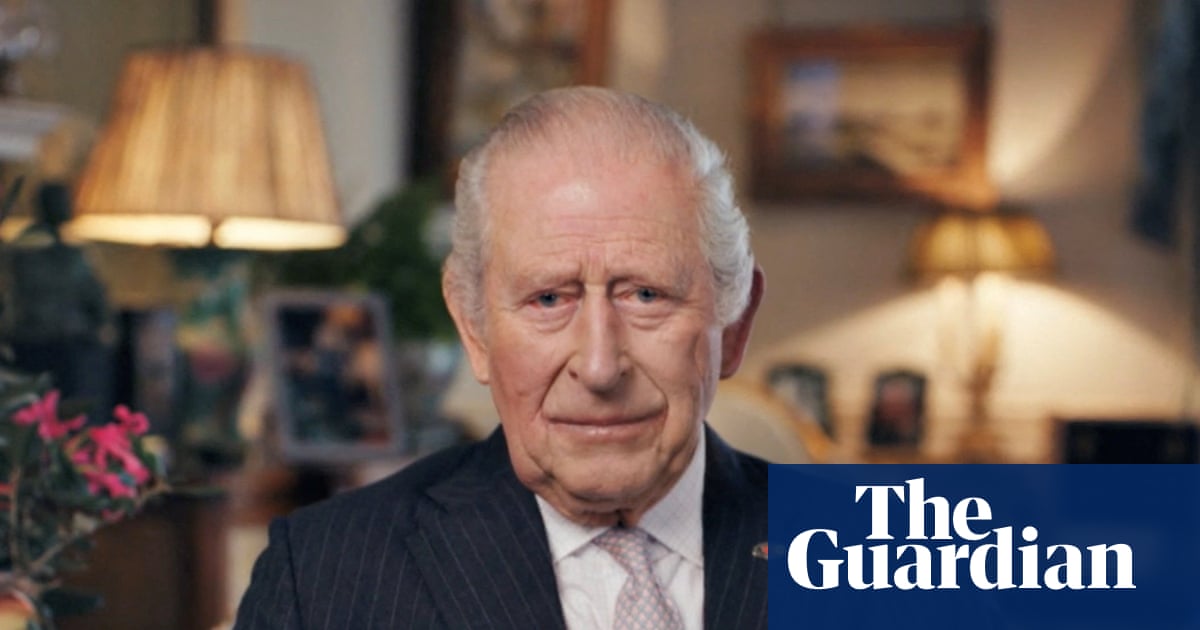
King Charles III Announces Reduced Cancer Treatment, Champions Early Detection
In a message of hope and encouragement, King Charles III has announced a significant milestone in his cancer journey: a reduction in his treatment schedule starting in the new year. The news, described as a “personal blessing” by the monarch, signals a positive trajectory in his recovery and underscores the critical importance of early diagnosis in cancer care.
The announcement, delivered via a prerecorded video message for Channel 4’s Stand Up to Cancer night, comes roughly ten months after the palace revealed the King’s cancer diagnosis in February 2024. While the specific type of cancer remains undisclosed, the King emphasized that early detection, coupled with effective treatment and adherence to medical advice, has allowed him to continue leading a full and active life.
The Power of Early Diagnosis: A Global Health Imperative
King Charles’s personal experience resonates with a stark global reality. According to the World Health Organization, cancer is a leading cause of death worldwide, accounting for nearly 10 million deaths in 2020. However, studies consistently demonstrate that early diagnosis dramatically improves treatment outcomes and survival rates. The WHO estimates that a significant proportion – potentially up to 40% – of cancers could be cured if detected early and treated appropriately.
“Early diagnosis is absolutely key,” explains Dr. Eleanor Hayes, a medical oncologist at the National Cancer Institute, speaking on the importance of proactive health monitoring. “The earlier we can identify cancer, the more treatment options are available, and the higher the likelihood of successful remission. It’s not just about living longer; it’s about maintaining a better quality of life during and after treatment.”
A Precautionary Phase and Continued Monitoring
Buckingham Palace has confirmed that the King’s treatment will now transition into a “precautionary phase,” with the frequency of interventions significantly reduced. His medical team will continue to closely monitor his progress and adjust the treatment plan as needed to prioritize his ongoing recovery. The palace emphasized that this decision is based on the King’s “exceptional response” to treatment.
This approach aligns with modern oncological practices, where treatment is often tailored to the individual patient and adjusted based on their response. The shift to a precautionary phase doesn’t signify the end of treatment, but rather a move towards a more maintenance-focused strategy, designed to prevent recurrence and ensure long-term well-being.
Addressing Screening Gaps and Promoting Awareness
Beyond his personal journey, King Charles used his platform to highlight a critical public health concern: the millions of individuals who are not up-to-date with recommended cancer screenings. He specifically referenced a new national screening checker launched earlier this month in the UK, designed to help people determine their eligibility for breast, bowel, and cervical cancer screening programs.
This initiative is particularly relevant given that participation rates in cancer screening programs often fall short of optimal levels. In the United States, the Centers for Disease Control and Prevention reports that while screening rates for some cancers have improved, significant disparities persist based on factors such as age, race, ethnicity, and socioeconomic status. Addressing these disparities is crucial to ensuring equitable access to potentially life-saving screening services.
For more information on cancer prevention and early detection, explore resources available on worldys.news’s health section.
A Message of Hope and Resilience
King Charles’s openness about his cancer journey and his advocacy for early detection serve as a powerful reminder of the importance of proactive health management. His message is one of hope, resilience, and the remarkable advancements being made in cancer care. The King’s ability to continue fulfilling his duties throughout his treatment, while heeding the advice of his medical team, is a testament to the power of a positive mindset and the benefits of comprehensive cancer care.
“His Majesty’s experience underscores the fact that a cancer diagnosis is not necessarily a life sentence,” says Michelle Mitchell, Chief Executive of Cancer Research UK. “With early detection, effective treatment, and ongoing support, many individuals can live full and active lives even while undergoing cancer treatment.”
The King concluded his message by expressing his continued support for all those affected by cancer, sending his “particular good wishes” to patients and their loved ones.