JFK Granddaughter Reveals Leukemia Battle & Limited Timeframe
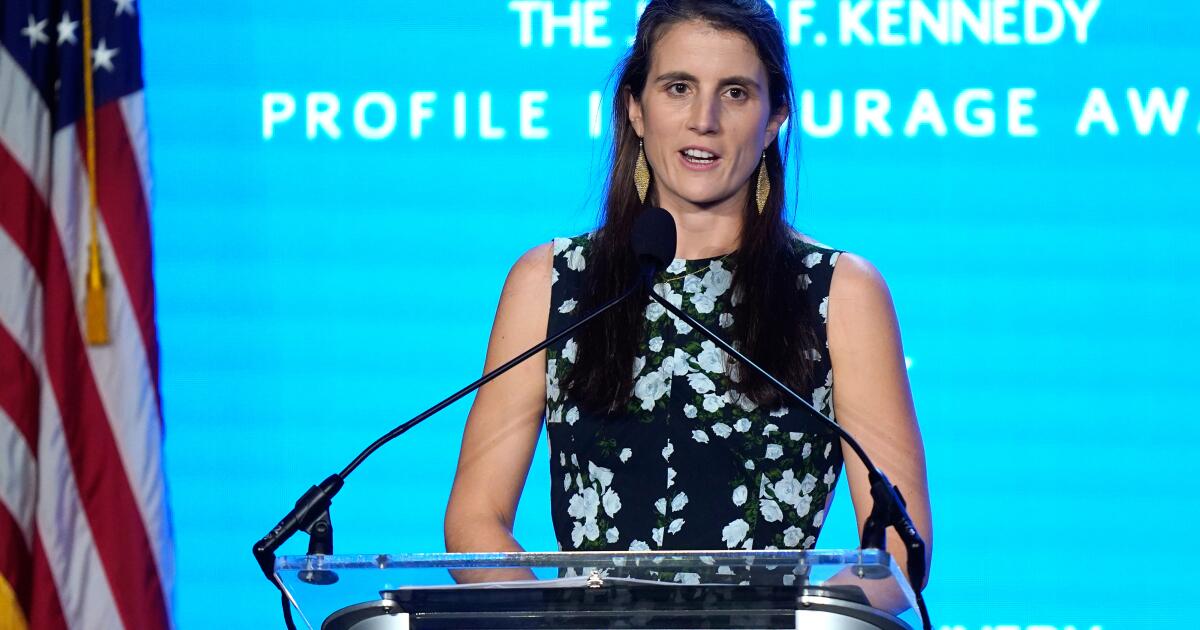
A Legacy Marked by Loss: Tatiana Schlossberg’s Courageous Battle
The Kennedy family, synonymous with American history and often shadowed by tragedy, faces another heartbreaking chapter. Tatiana Schlossberg, granddaughter of President John F. Kennedy, has revealed she is battling a rare and aggressive form of leukemia, with a prognosis of less than a year to live. The news, shared in a deeply personal and moving essay published Saturday in The New Yorker, has resonated far beyond the usual circles of political reporting, sparking a wave of empathy and admiration for Schlossberg’s raw honesty.
Schlossberg, 35, an environmental journalist, detailed her diagnosis of acute myeloid leukemia with a rare mutation – Inversion 3 – discovered just months after giving birth to her daughter in May 2024. She has undergone rigorous treatment, including chemotherapy and bone marrow transplants, with her sister, Rose, serving as a donor. The diagnosis, she wrote, was particularly jarring given her recent good health; she was swimming a mile just days before delivery. The initial alarm came from a high white blood cell count detected after her daughter’s birth, initially attributed to the pregnancy but quickly identified as something far more serious.
The Weight of History, The Urgency of Now
The essay is not simply a recounting of medical hardship. It’s a poignant reflection on the enduring shadow of loss that has haunted the Kennedy family for generations. Schlossberg acknowledges the weight of history – her grandfather’s assassination in 1963, the murder of her uncle, Robert F. Kennedy, in 1968, and the tragic death of her cousin, John F. Kennedy Jr., in a 1999 plane crash. She grapples with the feeling of adding another layer of sorrow to a family already steeped in grief, expressing a desire to shield her mother, Caroline Kennedy, from further pain.
This familial history, so deeply ingrained in the American consciousness, lends an added layer of poignancy to Schlossberg’s story. The Kennedy name carries a unique cultural weight, instantly evoking images of both idealism and tragedy. The family’s narrative has been the subject of countless books, films, and documentaries, solidifying its place in the national psyche. The enduring fascination with the Kennedys is reflected in the continued viewership of documentaries like “Bobby Kennedy for President” (2006) and the ongoing interest in archival footage of the era.
Beyond Personal Tragedy: A Broader System in Question
Schlossberg’s essay extends beyond her personal experience, offering a critical perspective on the American healthcare system. She notes the frequent questioning from doctors about potential exposure to toxins at Ground Zero, a common inquiry given the elevated rates of blood cancers among first responders following the 9/11 attacks. While she was in sixth grade during the attacks and didn’t visit the site until years later, the question highlights the lingering health consequences of the tragedy and the systemic challenges faced by those affected.
However, the essay takes a particularly sharp turn when discussing the political climate surrounding her illness. She details the anxieties surrounding her husband, George Moran’s, research at Columbia University after Donald Trump’s election and subsequent threats to funding for the institution. Trump’s appointment of Robert F. Kennedy Jr. – her mother’s cousin – as Secretary of Health and Human Services further exacerbated these concerns, casting a shadow over the very system on which she relied for care. This intersection of personal tragedy and political upheaval underscores the fragility of institutions and the potential for political decisions to directly impact individual lives.
A Generational Response & The Power of Sharing
The response to Schlossberg’s essay has been overwhelmingly supportive. Her brother, Jack Schlossberg, who recently announced his candidacy for Congress, shared a link to the article on Instagram with the simple, yet powerful message: “Life is short — let it rip.” This sentiment, while seemingly casual, speaks to a generational shift in how we confront mortality and embrace the present moment.
The willingness of Schlossberg to publicly share her story is a testament to the growing trend of vulnerability and openness surrounding illness. According to a Pew Research Center study conducted in March 2023, 64% of U.S. adults have experienced a serious illness themselves or had a close family member do so. This widespread experience, coupled with the increasing accessibility of platforms for sharing personal narratives, has created a space for more honest and open conversations about health and mortality.
Schlossberg’s essay is a powerful reminder of the human cost of illness and the importance of empathy, resilience, and advocacy. It’s a story that transcends political boundaries and resonates with anyone who has faced loss or grappled with their own mortality. Her courage in sharing her story serves as a beacon of hope and a call to action, urging us to cherish the present moment and fight for a future where access to quality healthcare is not a privilege, but a right. For more on health and wellness, explore worldys.news’ health section.