Jared Isaacman Confirmed as NASA Administrator | Trump Appointee
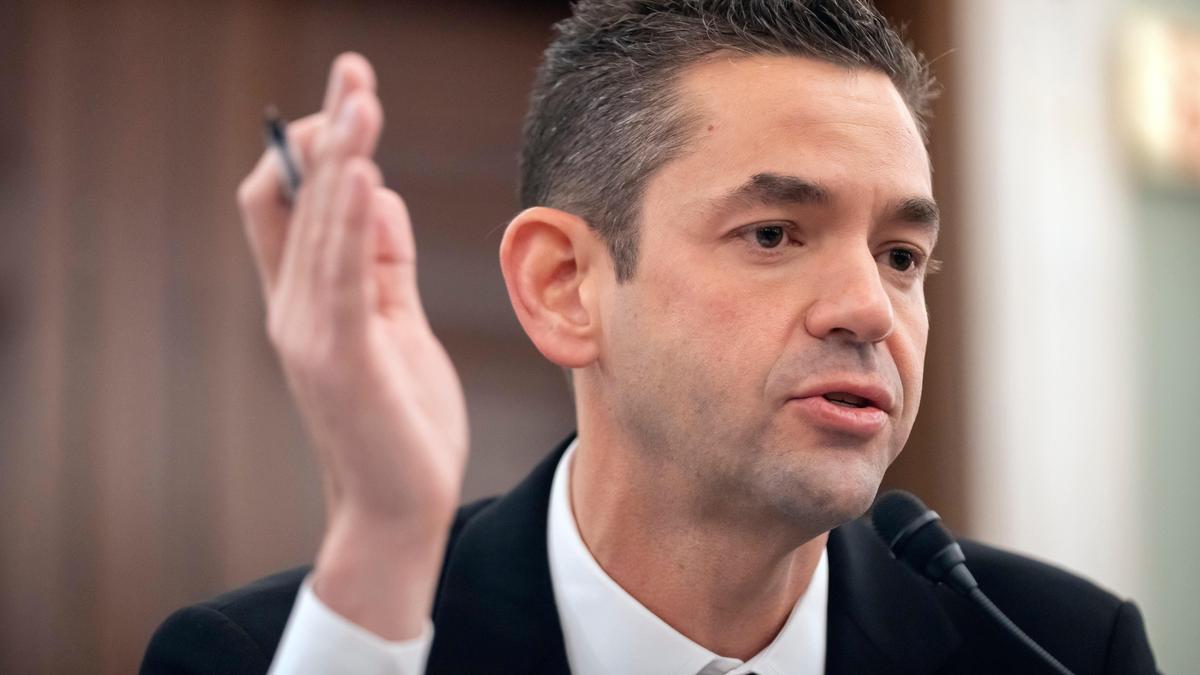
Billionaire Astronaut Isaacman Confirmed as NASA Chief, Signaling Shift in US Space Policy
WASHINGTON D.C. – In a move that has reverberated through the international space community, the U.S. Senate on Wednesday confirmed Jared Isaacman, a billionaire entrepreneur and private astronaut, as the 15th Administrator of the National Aeronautics and Space Administration (NASA). The 67-30 vote solidifies former President Donald Trump’s appointment, placing a staunch advocate for accelerated space exploration – and a close associate of SpaceX CEO Elon Musk – at the helm of the American space agency. The confirmation arrives at a pivotal moment, as the United States intensifies its competition with China in the race to establish a sustained presence on the Moon and beyond.
The appointment of Isaacman, founder of the private spaceflight company Polaris Program, marks a significant departure from traditional NASA leadership. Previous administrators have largely been career scientists or experienced government officials. Isaacman’s background as a businessman and a self-funded astronaut injects a new dynamic into the agency, one that prioritizes speed, innovation, and public-private partnerships. This shift reflects a broader trend in the space sector, where private companies are increasingly playing a dominant role.
A Race to the Moon – and Beyond
Isaacman’s confirmation hearing earlier this month underscored his commitment to accelerating NASA’s lunar ambitions. He repeatedly stressed the urgency of beating China back to the Moon, a sentiment echoed by Acting NASA Chief Sean Duffy, who congratulated Isaacman on X (formerly Twitter). Duffy’s post explicitly framed the lunar race as a competition, stating the goal is to return to the Moon by 2028 and “beat China.”
This competitive framing is not merely rhetorical. China’s space program has made remarkable strides in recent years, successfully landing a probe on the far side of the Moon in 2019 and steadily expanding its orbital infrastructure. According to the Statista, global space expenditure reached $92.9 billion in 2023, with China representing a substantial and growing portion of that investment. This escalating financial commitment underscores China’s long-term ambition to become a leading space power.
From Private Flights to Public Service: A Controversial Path
Isaacman’s path to NASA leadership has not been without controversy. He initially funded and participated in the Inspiration4 mission, a privately-funded orbital flight that sent four civilians into space in 2021. This mission, while celebrated as a milestone in space tourism, raised questions about the accessibility and equity of space exploration. Critics argue that prioritizing private ventures risks diverting resources from scientific research and broader public benefits.
Furthermore, Trump’s initial removal and subsequent renaming of Isaacman as the nominee raised eyebrows, fueling accusations of political maneuvering. However, supporters maintain that Isaacman’s entrepreneurial spirit and proven ability to execute complex projects are precisely what NASA needs to overcome bureaucratic hurdles and accelerate its programs.
Geopolitical Implications and International Collaboration
The confirmation of Isaacman has implications that extend far beyond the United States. The intensifying space race between the U.S. and China is reshaping the geopolitical landscape, prompting other nations to reassess their space strategies. Countries like India, Japan, and the European Space Agency (ESA) are actively investing in their own space capabilities, seeking to maintain a foothold in this increasingly competitive arena.
The success of NASA’s Artemis program, which aims to establish a sustainable human presence on the Moon, will likely influence the future of international collaboration in space. While the program currently involves partnerships with several countries, including Canada, Japan, and European nations, the emphasis on speed and competition could potentially strain these relationships. Maintaining strong international partnerships will be crucial for achieving long-term goals in space exploration, particularly as missions become more complex and expensive.
A New Era for NASA: Balancing Ambition with Responsibility
Isaacman’s tenure as NASA administrator is expected to be defined by a delicate balancing act: accelerating space exploration while addressing concerns about equity, sustainability, and international cooperation. His background suggests a willingness to embrace risk and challenge conventional wisdom, but he will also need to navigate the complex political landscape and manage the expectations of a diverse range of stakeholders.
The coming years will be critical for NASA, as it strives to achieve its ambitious goals of returning to the Moon, preparing for human missions to Mars, and expanding our understanding of the universe. The world will be watching closely to see whether Isaacman can successfully lead the agency into this new era of space exploration. The stakes are high, not only for the United States but for the future of humanity’s presence in space.