Japan Concerts Cancelled in Shanghai Amid China Tensions
Shanghai Silences Japanese Artists Amidst Rising Sino-Japanese Tensions
Shanghai has become an unlikely stage for escalating geopolitical tensions, as a series of abrupt cancellations of Japanese music events – including one mid-performance – have ignited a firestorm of criticism and raised questions about the intersection of culture and diplomacy. The incidents, occurring against a backdrop of strained relations between Beijing and Tokyo, are resonating far beyond the music scene, touching on issues of artistic freedom, national pride, and the delicate balance of international relations.
A Stage Shut Down, A Song Cut Short
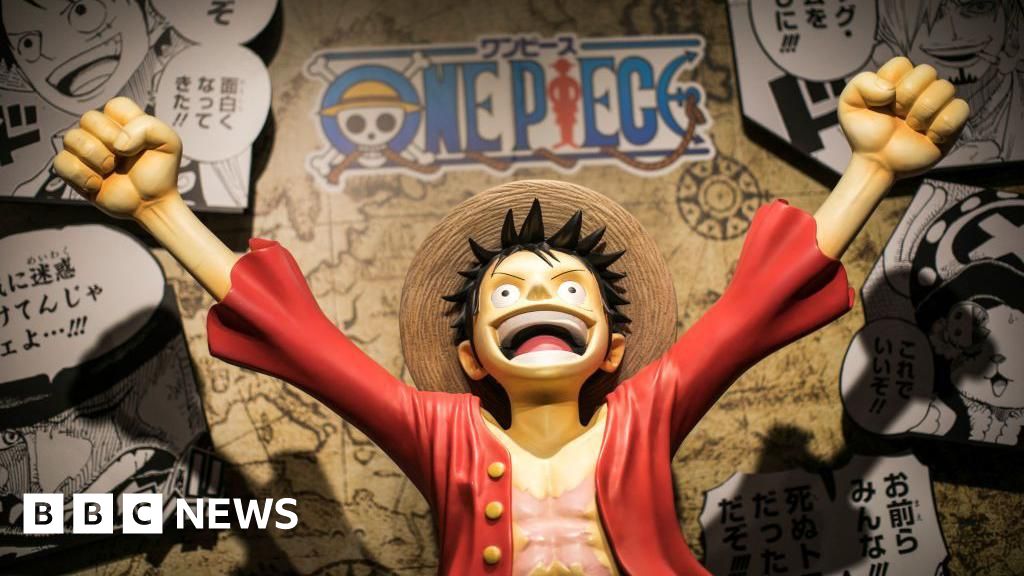
The drama unfolded most visibly on Friday evening when Japanese singer Maki Otsuki was performing the theme song from the globally popular anime One Piece at a music festival in Shanghai. Witnesses reported that the lights and music were suddenly cut off mid-song, and Otsuki was swiftly escorted off stage by security personnel. Her management team later attributed the interruption to “unavoidable circumstances,” offering little further explanation. The incident quickly spread across social media, with fans expressing outrage and confusion.
The following day, pop icon Ayumi Hamasaki faced an even more surreal situation: performing to a completely empty 14,000-seat stadium. Organisers cited “force majeure” as the reason for the cancellation, a legal term often used to excuse non-performance due to extraordinary events. Hamasaki, however, chose to proceed with a performance for the absent crowd, dedicating the show to the Chinese staff and Japanese team who had worked tirelessly on the tour. She posted on Instagram, stating her belief that “entertainment should be a bridge that connects people.”
The Diplomatic Discord
These cancellations are not isolated incidents. They come at a particularly sensitive time in Sino-Japanese relations, fuelled by recent diplomatic clashes. The core of the dispute lies in Japanese Prime Minister Sanae Takaichi’s remarks regarding Taiwan. Last month, Takaichi suggested that Tokyo might consider military action if China were to attack Taiwan, a self-governed island that Beijing views as a renegade province. This statement drew swift condemnation from Beijing, which lodged a formal protest.
China’s position on Taiwan is unwavering: it considers the island an integral part of its territory and has not ruled out the use of force to achieve “reunification.” According to the World Bank, China’s military expenditure reached 2.6% of its GDP in 2022, highlighting the nation’s significant investment in its armed forces. This, coupled with increasingly assertive rhetoric, has heightened tensions in the region. The resulting diplomatic chill has begun to seep into everyday life, impacting cultural exchanges and business ties.
Echoes of the Past, Online Outcry
The abrupt shutdown of Otsuki’s performance has drawn comparisons to a highly sensitive moment in recent Chinese political history: the unexpected removal of former President Hu Jintao from a Communist Party meeting in October 2022. A meme circulating on social media depicts Otsuki being escorted off stage as mirroring Hu Jintao’s removal, with fans dubbing it “the Hu Jintao treatment.”
The incidents have sparked a wave of online commentary, with users on both sides of the divide expressing their opinions. Some Chinese social media users accused authorities of punishing ordinary citizens for the actions of their government, asking, “What’s the point of turning the spearhead toward its own citizens?” Others questioned why the events were allowed to proceed at all given the existing tensions. Conversely, some nationalist voices argued that Japanese artists should not be permitted to perform in China while the diplomatic row continues.
It’s truly regrettable that there are people who can’t feel the power of music. Maki-san, Don’t Stop Believin’—keep holding on to your convictions! https://t.co/wJq9q9q9q9
— George Glass (@GeorgeGlassUS)
A US Ambassador Weighs In
Adding another layer to the situation, George Glass, the United States’ ambassador to Japan, publicly expressed his regret over the cancellations. In a post on X (formerly Twitter), he referenced the classic rock anthem “Don’t Stop Believin’” by Journey, encouraging Otsuki to “keep holding on to your convictions.” This intervention, while symbolic, underscores the international attention the incidents have garnered and the broader geopolitical implications at play.
Beyond Music: A Wider Crackdown?
The cancellations extend beyond the music scene. Two weeks ago, Chinese state media announced the postponement of the releases of at least two popular Japanese anime films, further signaling a tightening of restrictions on Japanese cultural products. This follows a broader trend of increased scrutiny of foreign media and entertainment in China, often framed as a matter of national security and ideological control. According to a 2023 report by Reporters Without Borders, China ranks 128th out of 180 countries in its Press Freedom Index, highlighting the significant limitations on freedom of expression within the country.
The situation in Shanghai serves as a stark reminder of the fragility of cultural exchange in an era of heightened geopolitical competition. While the official explanations cite “force majeure” and “unavoidable circumstances,” the timing and nature of these cancellations strongly suggest a political motivation. The incidents raise serious concerns about the potential for further restrictions on artistic freedom and the broader implications for Sino-Japanese relations, and indeed, for the global landscape of cultural diplomacy.