Imran Sherwani: Great Britain Hockey Gold Medalist Dies Aged 63
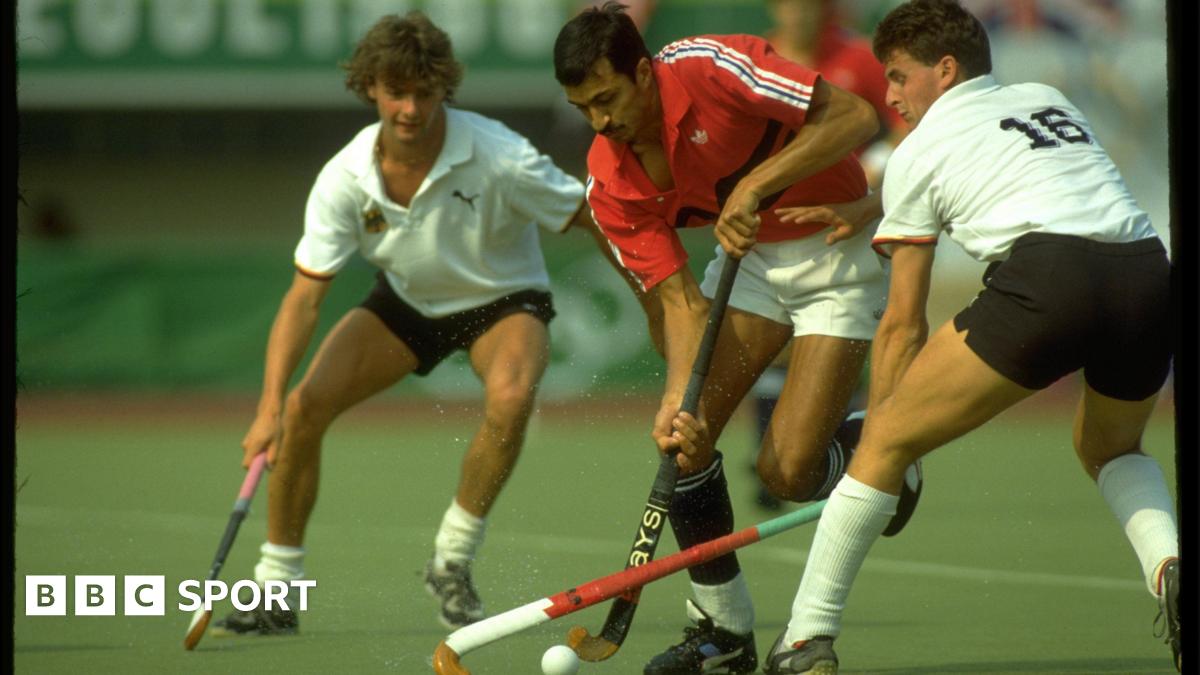
Great Britain Hockey Legend Imran Sherwani Dies at 63
Imran Sherwani, the celebrated centre-forward who spearheaded Great Britain’s stunning gold medal victory at the 1988 Seoul Olympics, has died at the age of 63. The news reverberates through the Great Britain Hockey community and beyond, marking the loss of a true icon of the sport. Sherwani’s death, following a diagnosis of Alzheimer’s disease in 2019, closes a chapter on a career defined by skill, leadership, and a pivotal moment in British sporting history.
Seoul ’88: A Golden Moment Forged in Tactical Brilliance
The 1988 Olympic final against West Germany remains etched in the memories of hockey fans worldwide. Great Britain, considered underdogs, delivered a performance of tactical precision and unwavering determination to secure a 3-1 victory. Sherwani was instrumental, scoring twice – including a goal that prompted one of the most iconic calls in British broadcasting history from BBC commentator Barry Davies: “Where were the Germans? But frankly, who cares!”
Beyond the memorable commentary, Sherwani’s goals weren’t simply opportunistic strikes. They were products of a carefully constructed game plan. Great Britain, under coach Jon Royce, employed a high-pressing system designed to disrupt West Germany’s typically fluid attacking play. Sherwani, with his exceptional spatial awareness and ability to exploit gaps in the defense, was the focal point of this strategy. His first goal came from a cleverly worked penalty corner routine, showcasing the team’s set-piece prowess. The second, a breakaway goal, highlighted his individual speed and finishing ability. The tactical shift towards a more aggressive, counter-attacking style, a departure from traditional British hockey, proved decisive.
Editor’s note: No verified social media posts were available at the time of publication.
A Career Spanning Nations and Generations
Sherwani’s international career spanned 94 caps for both Great Britain and England, a testament to his consistent performance and dedication. He represented his country at multiple major tournaments, including the 1984 Los Angeles Olympics and the 1990 World Cup. His ability to seamlessly transition between the English and British squads underscored his versatility and importance to both national programs. He wasn’t just a goalscorer; he was a playmaker, a leader, and a unifying force within the team.
His impact extended beyond the pitch. After retiring as a player, Sherwani dedicated himself to developing the next generation of hockey players, serving as director of hockey at a school in Staffordshire. This commitment to nurturing young talent reflects his enduring passion for the sport and his desire to leave a lasting legacy. He understood the importance of grassroots development, recognizing that the future of hockey depended on identifying and cultivating promising young athletes.
A Sporting Dynasty: Family Roots in Hockey and Football
Sherwani’s sporting prowess wasn’t isolated; it was deeply rooted in a family tradition of athletic achievement. His father represented Pakistan in hockey, instilling in him a love for the game from a young age. Furthermore, his great uncles played professional football for Stoke City and Port Vale, demonstrating a broader family commitment to sporting excellence. This lineage undoubtedly shaped Sherwani’s competitive spirit and his understanding of the dedication required to succeed at the highest level.
The influence of his father is particularly noteworthy. Growing up with a parent who had competed internationally provided Sherwani with invaluable insights into the demands of elite sport. He learned the importance of discipline, perseverance, and teamwork – qualities that defined his own career. The family’s diverse sporting background also fostered a broader appreciation for athletic competition in all its forms.
The Evolving Landscape of International Hockey
Sherwani’s Olympic gold medal arrived during a period of significant change in international hockey. The sport was becoming increasingly professionalized, with greater emphasis on fitness, tactical sophistication, and specialized training. According to Statista, the global hockey market revenue is projected to reach $3.39 billion in 2024, demonstrating the sport’s growing commercial appeal and investment. This trend has continued in the decades since, with national teams increasingly relying on full-time athletes and world-class coaching staff.
The 1988 victory was particularly significant for Great Britain, as it represented a rare moment of success in a sport traditionally dominated by nations like Pakistan, India, and the Netherlands. It served as a catalyst for increased investment in British hockey, leading to improved facilities, coaching programs, and player development pathways. Sherwani’s contribution to this transformation cannot be overstated. He inspired a generation of players and helped to elevate the profile of hockey within the United Kingdom.
Rich Beer, chief operating officer of Great Britain Hockey, eloquently summarized Sherwani’s legacy: “Imran Sherwani will forever be remembered as one of the true icons of England and Great Britain Hockey. His talent, leadership and humility inspired generations of players and fans alike.” His passing is a profound loss for the hockey community, but his memory will continue to inspire for years to come.