Huntington’s & Alzheimer’s: New Therapies & Visibility for Mental Disability
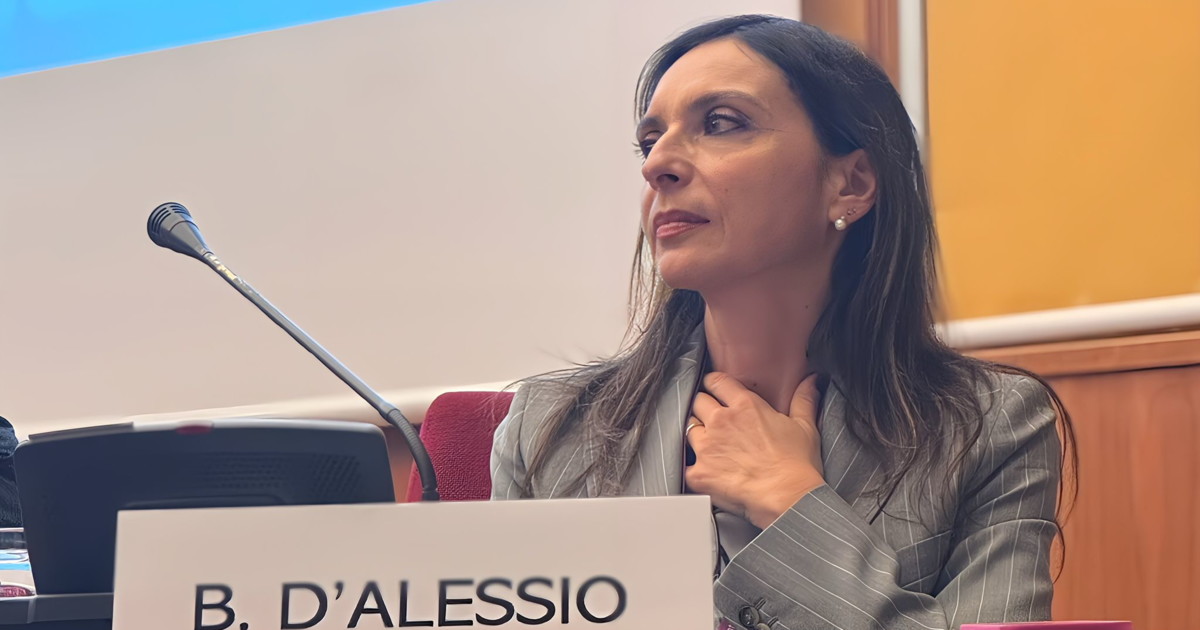
The Silent Struggle: Huntington’s and Alzheimer’s Demand Greater Visibility
Rome – A recent conference underscored the urgent need for increased awareness and understanding of neurodegenerative diseases, specifically Huntington’s disease and Alzheimer’s, and the often-invisible disabilities they create. Organizers emphasized that these conditions, which impact both cognitive and behavioral functions, are frequently underestimated in terms of their impact on individuals and families.
The event, hosted by the Italian League for Huntington’s Research (LIRH), brought together researchers, clinicians, and, crucially, individuals living with these diseases and their caregivers. The focus wasn’t solely on the search for cures, but on acknowledging the profound impact these conditions have on daily life and advocating for better support systems.
Giving Voice to Lived Experience
The conference opened with deeply personal testimonies from Patrizia, Sofia, and Andrea, individuals navigating the challenges of Huntington’s disease. Their stories highlighted the isolating nature of these conditions and the importance of breaking down societal stigmas.
“They are the only ones who can truly convey the drama hidden behind these complex conditions, which completely disrupt life and change its course forever, whether you are the one affected or a caregiver,” explained one participant, reflecting on the power of shared experiences.
These narratives serve as a potent reminder that disability isn’t always visible. The loss of cognitive function – the ability to comprehend, remember, or control impulses – constitutes a significant disability, yet it often goes unrecognized.
Understanding Huntington’s Disease: A Genetic Predestination
Huntington’s disease, a hereditary and progressive brain disorder, presents a unique challenge. While a genetic test can determine predisposition, the onset and progression of the disease remain unpredictable. Symptoms can manifest physically – impacting movement and coordination – or mentally, altering personality and cognitive abilities.
“It’s hereditary. Predictable, but not preventable. Mind and Body. Hidden. Rare,” summarized a speaker, encapsulating the core characteristics of the disease. The knowledge of a future diagnosis can cast a long shadow, creating years of anxiety and uncertainty for individuals and families.
According to the Huntington’s Disease Society of America, approximately 30,000 Americans are currently living with Huntington’s disease, with another 200,000 at risk of inheriting the gene. Globally, the prevalence is estimated at 1 in 10,000 people, though accurate figures are difficult to obtain due to underdiagnosis and varying diagnostic criteria.
Hope on the Horizon: Emerging Therapies
Despite the lack of a cure, researchers are making significant strides in understanding the underlying mechanisms of both Huntington’s and Alzheimer’s diseases. The conference highlighted promising developments in experimental therapies, particularly those targeting the “dynamic pathology” observed in Huntington’s – changes in the brain that begin at birth and may be modifiable with early intervention.
“There are very encouraging prospects, both in understanding the biology of the disease and in possible future cures,” stated a researcher involved in clinical trials. “The beginning of this year has been marked by important scientific discoveries.”
A Call for Inclusivity on the International Day of Persons with Disabilities
Held just days before the International Day of Persons with Disabilities (December 3rd), the conference served as a timely reminder that disability encompasses a wide spectrum of conditions and ages. The event specifically emphasized the need to recognize and support young adults living with neurodegenerative diseases, a demographic often overlooked in disability advocacy.
“It is important to remember and reaffirm that disability can affect different aspects (physical and mental) and different age groups, including the ‘intermediate’ one, which is not represented by children or the elderly, but by young adults,” a conference attendee noted. “They tend to be the subject of less interest and attention because, in the collective imagination, they are not considered ‘fragile.’”
The conference underscored the importance of challenging stereotypes and fostering a more inclusive society that recognizes and supports the needs of all individuals, regardless of their physical or cognitive abilities. Raising awareness, promoting research, and amplifying the voices of those affected are crucial steps towards a more equitable future.