Hugh Jackman’s Wolverine: Why More Cameos Would Be a Mistake | Marvel & X-Men
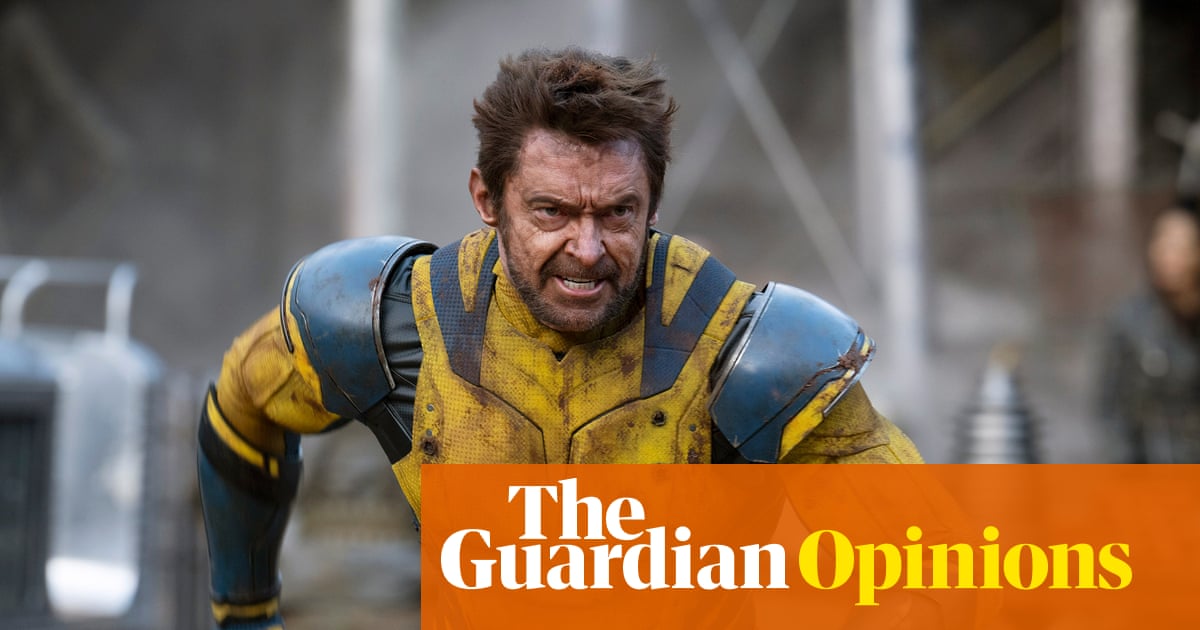
Jackman’s Wolverine: From Beloved Cameo to Potential Marvel Fatigue?
The claws are poised for a potential return. Hugh Jackman, the actor synonymous with the character of Wolverine for nearly a quarter-century, has seemingly walked back his firm stance against reprising the role, sparking debate among fans and industry observers alike. While a brief appearance might seem like a simple fan service, the implications for Marvel’s X-Men reboot and the broader cinematic universe are far more complex.
The Allure – and Limits – of the Wolverine Cameo
For years, Jackman’s Wolverine appearances felt like carefully calibrated gifts to fans. A quick, brutal burst in 2016’s X-Men: Apocalypse, a sardonic barroom encounter with Magneto and Professor X in 2011’s X-Men: First Class, even a fleeting archival appearance in Deadpool 2 – these cameos worked because they were precisely that: brief, self-contained moments that didn’t disrupt the established narrative flow. They arrived at a time when the weight of expectation hadn’t yet fully settled on Jackman’s shoulders.
These appearances were a masterclass in how to handle a beloved character without overexposure. They understood the “sacred rule” of cameos – fun and fleeting. But the landscape has shifted. Marvel’s recent success with Deadpool & Wolverine, which grossed over $1 billion worldwide, has undoubtedly fueled speculation about Jackman’s involvement in future projects, particularly the upcoming Avengers: Doomsday.
Jackman himself has admitted to a change of heart, telling Graham Norton on the BBC that he’s “never saying ‘never’ ever again.” This admission, while welcomed by many fans, raises a critical question: at what point does revisiting a character diminish its impact?
The Risk of Undermining a Reboot
Marvel is currently laying the groundwork for a new generation of X-Men, introducing younger variants of the iconic mutants. The studio is expected to introduce these characters in the next two Avengers films. But the presence of Jackman’s Wolverine – the definitive version for many – could inadvertently overshadow these newcomers.
Will audiences connect with a fresh-faced Wolverine when they’ve spent decades invested in Jackman’s portrayal? There’s a real risk of creating a “second-tier” feeling for these new mutants, hindering their ability to carry the franchise forward. As one fan put it on social media, “It’s like bringing the original Batman to a new Batman movie – it just doesn’t feel right.”
The challenge for Marvel is to balance fan service with the need to establish a new status quo. Simply inserting Jackman into Avengers: Doomsday for a “cheap dopamine hit,” as some critics have suggested, could be a short-sighted move.
The Multiverse and the Weight of Legacy
The multiverse offers a potential solution, allowing for different versions of Wolverine to coexist. Perhaps Jackman’s character could serve as a reluctant catalyst for a multiversal event, a weary hero whose purpose is to safeguard the timeline. This could explain his appearance in Avengers: Doomsday, potentially linking it to the introduction of Doctor Doom from the Fantastic Four universe.
However, even this approach carries risks. The multiverse, while offering creative flexibility, can also feel convoluted and confusing if not handled carefully. The recent proliferation of multiversal storylines across various franchises has led to a degree of audience fatigue. According to a Statista report, while superhero films still dominate the box office, revenue growth has slowed in recent years, suggesting a potential decline in audience enthusiasm.
Furthermore, the character of Wolverine has already undergone a poignant and definitive conclusion with 2017’s Logan, a critically acclaimed film that offered a raw and emotional farewell to the character. Revisiting that territory risks diminishing the impact of that powerful ending.
A Path Forward: Solo Outing or Strategic Exit?
If Jackman is to return, the most sensible approach would be a solo outing that allows him to explore new facets of the character without overshadowing the broader Marvel narrative. A storyline that doesn’t rely on sacrifice or character building for others, but instead allows Wolverine to find a measure of peace in his natural habitat – the “half-feral hinterland” – could be a satisfying conclusion.
Ultimately, the decision rests with Marvel Studios. They must weigh the potential benefits of Jackman’s star power against the risks of undermining their long-term plans for the X-Men franchise. The key is to respect the legacy of the character, honor the audience’s investment, and avoid the pitfalls of franchise fatigue. The future of Wolverine, and perhaps a portion of the Marvel Cinematic Universe, hangs in the balance.