Hong Kong’s Diminished Role: China’s Influence & Future Outlook
Hong Kong’s Financial Facade: Beneath the IPO Boom, a City Diminished
HONG KONG – The gleaming towers of Hong Kong’s financial district and a resurgent Hang Seng Index paint a picture of economic recovery. The city has clawed its way back to the top of global Initial Public Offering (IPO) rankings, a key indicator of financial health. But a recent visit reveals a more nuanced reality: Hong Kong is rebounding, yes, but as a fundamentally altered city, its role as an international business hub increasingly constrained by Beijing’s tightening grip.
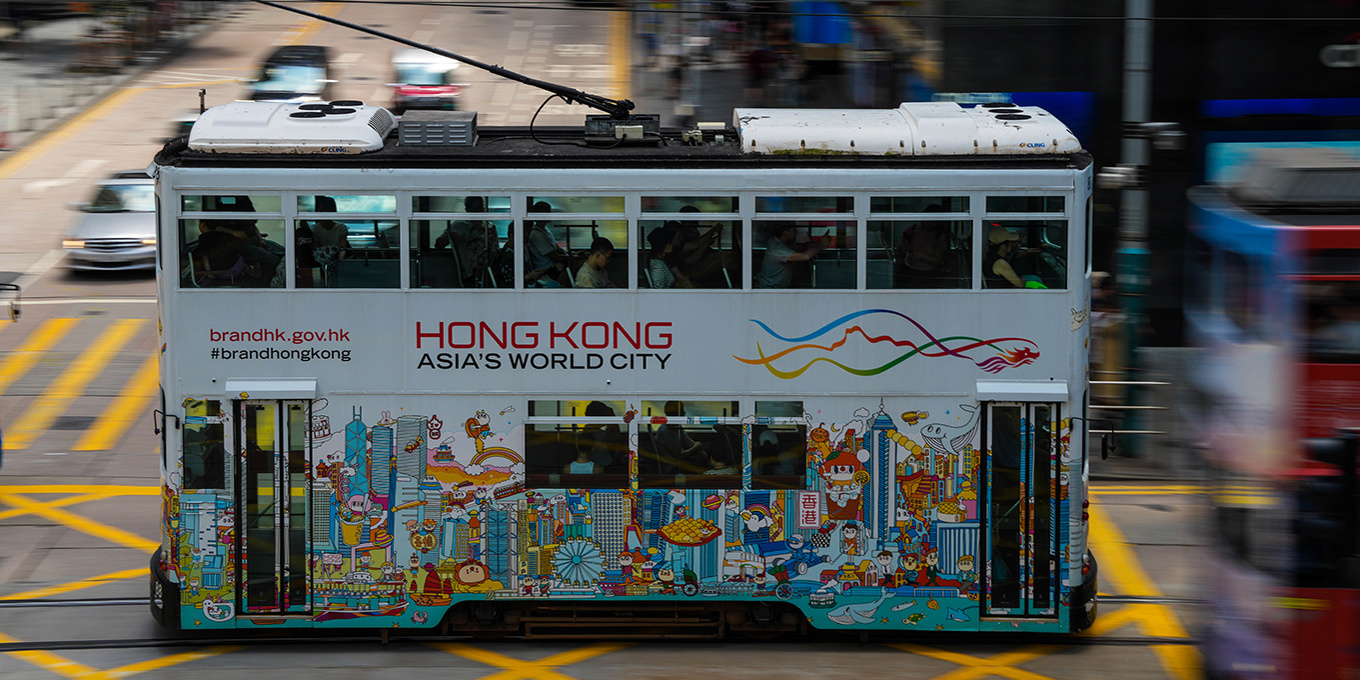
The Illusion of ‘Asia’s World City’
The slogan emblazoned at Hong Kong International Airport – “Welcome to Asia’s World City” – feels increasingly like a carefully maintained facade. While the airport bustles with activity, and luxury brands continue to thrive in the shopping malls, a sense of unease permeates the city. The vibrant, freewheeling spirit that once defined Hong Kong feels muted, replaced by a cautious conformity. This isn’t simply a matter of perception; it’s reflected in tangible economic shifts and a growing exodus of talent.
For decades, Hong Kong flourished as a unique bridge between China and the West, benefiting from a robust legal system, free flow of information, and a relatively independent governance structure. These attributes attracted foreign investment, fostered innovation, and established the city as a crucial entrepot for trade and finance. However, the imposition of the National Security Law in 2020 dramatically altered this landscape.
Beijing’s Expanding Influence and the Erosion of Trust
The National Security Law, ostensibly aimed at restoring order after the 2019 pro-democracy protests, has been widely criticized for its broad scope and its impact on civil liberties. It has effectively curtailed freedom of speech and assembly, leading to the arrest of pro-democracy activists, journalists, and business leaders. This has understandably raised concerns among international businesses about the rule of law and the potential for arbitrary enforcement.
The consequences are becoming increasingly apparent. While IPOs have surged – driven largely by Chinese companies seeking access to international capital – the underlying health of Hong Kong’s financial sector is more precarious. Foreign direct investment (FDI) has experienced significant volatility. According to Statista, Hong Kong experienced a dramatic 46.1% decrease in FDI in 2022, although it rebounded somewhat in 2023. This demonstrates the sensitivity of investor confidence to the political climate.
The regulatory environment is also shifting. Beijing is increasingly asserting its authority over Hong Kong’s financial institutions, pushing for greater alignment with mainland China’s policies. This includes increased scrutiny of cross-border transactions and a push for greater data localization. While proponents argue this integration will strengthen Hong Kong’s ties with the mainland economy, critics fear it will further erode the city’s autonomy and its attractiveness as an international financial center.
The Talent Drain and its Economic Implications
Perhaps the most concerning trend is the ongoing exodus of skilled professionals. Many expatriates and local professionals, particularly those in finance, technology, and law, are leaving Hong Kong for destinations like Singapore, London, and New York, seeking greater political and economic stability. This “brain drain” is depriving Hong Kong of the talent it needs to maintain its competitive edge.
The impact of this talent outflow is already being felt. Companies are struggling to fill key positions, and innovation is slowing. The long-term consequences could be severe, potentially transforming Hong Kong from a dynamic global financial hub into a regional center primarily serving the mainland Chinese market. This shift would represent a significant loss of economic potential for the city and a weakening of its role in the global economy.
Navigating the New Reality: Risks and Opportunities
Despite the challenges, Hong Kong retains significant advantages. Its proximity to China, its well-developed infrastructure, and its deep pool of financial expertise continue to attract investment. The Hong Kong Monetary Authority (HKMA) is actively working to maintain the city’s financial stability and to promote innovation in areas like fintech and green finance. The Greater Bay Area initiative, aimed at integrating Hong Kong with the neighboring cities of Guangdong province, also presents potential opportunities for economic growth.
However, businesses operating in Hong Kong must carefully navigate the new political and regulatory landscape. Thorough due diligence, robust compliance programs, and a clear understanding of the evolving risks are essential. Companies must also be prepared to adapt to changing market conditions and to manage the potential for increased political interference. The future of Hong Kong as a leading international financial center hinges on its ability to strike a delicate balance between maintaining its autonomy and integrating with the mainland Chinese economy. The current trajectory suggests that balance is becoming increasingly difficult to achieve.
The question isn’t whether Hong Kong can continue to function as a financial center, but *what kind* of financial center it will become. The IPO numbers offer a temporary boost, but the underlying trends point to a city diminished, its future inextricably linked to – and increasingly controlled by – Beijing.