Hong Kong Fire: Victims Identified – Heartbreaking Scenes
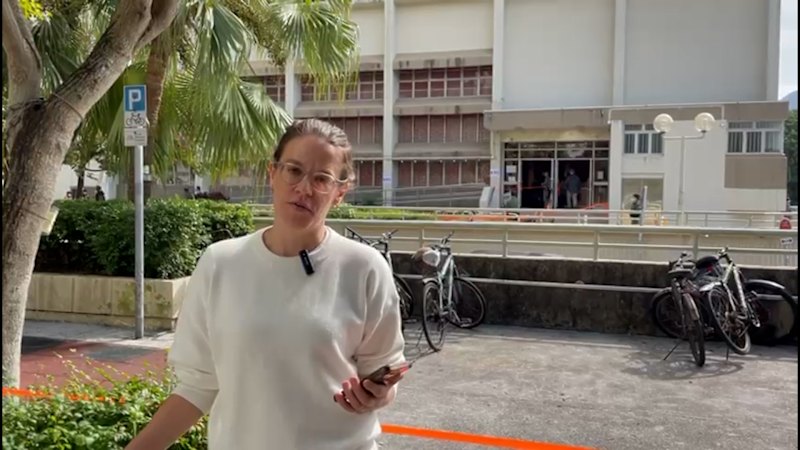
Hong Kong Fire: Grief and Questions as Families Identify Victims
Hong Kong is reeling from a devastating fire that has claimed an increasing number of lives, with families now facing the heartbreaking task of identifying their loved ones. The blaze, which erupted earlier this week, has exposed vulnerabilities in the city’s aging building stock and sparked a wider conversation about fire safety regulations and urban planning. The scenes unfolding at community centres, transformed into temporary morgues, are a stark reminder of the human cost of such tragedies.
A City United in Sorrow, Facing Difficult Questions
The air in Hong Kong is thick with grief. Images circulating online – and now being reported by international news agencies like Reuters – show distraught relatives arriving at community centres, hoping for news, and then confronting the unimaginable. The fire, which engulfed a commercial and residential building in Yau Ma Tei, a densely populated district, has already claimed the lives of dozens, and authorities fear the toll will continue to rise as search and rescue operations continue. The sheer scale of the tragedy has prompted an outpouring of support from across the city, with volunteers offering assistance and donations flooding in.
But alongside the grief, a sense of frustration and anger is simmering. Many are questioning how such a disaster could have occurred in a city renowned for its stringent building codes and safety standards. The building, constructed in the 1960s, reportedly contained numerous illegal structures and lacked adequate fire safety measures. This raises serious concerns about enforcement and oversight, and whether existing regulations are sufficient to address the challenges posed by aging infrastructure.
The Vulnerability of Aging Infrastructure: A Global Concern
Hong Kong isn’t alone in facing the challenge of aging infrastructure. Across the globe, many cities are grappling with similar issues, as buildings constructed decades ago begin to show their age. According to a World Bank report, an estimated $1 trillion is needed annually to meet the infrastructure needs of developing countries alone. This includes not only new construction but also the maintenance and upgrading of existing infrastructure to ensure safety and resilience. The Hong Kong fire serves as a stark warning of the potential consequences of neglecting these vital investments.
The building in Yau Ma Tei was a microcosm of Hong Kong’s urban landscape – a mix of residential apartments, shops, and businesses crammed into a limited space. This density, while characteristic of many Asian cities, also presents unique challenges in terms of fire safety. Narrow corridors, cluttered stairwells, and a lack of clear escape routes can quickly turn a small fire into a raging inferno. The building’s history of illegal structures further complicated matters, hindering rescue efforts and potentially contributing to the rapid spread of the flames.
Policy Implications and the Need for Reform
The tragedy has prompted calls for a comprehensive review of Hong Kong’s building safety regulations and enforcement mechanisms. Legislators are demanding greater transparency and accountability, and are pushing for stricter penalties for those who violate building codes. There is also a growing consensus that more resources need to be allocated to fire prevention and safety education. The Hong Kong government has pledged to investigate the cause of the fire and to take appropriate action to prevent similar incidents from happening in the future.
However, some experts argue that a more fundamental shift in approach is needed. They contend that Hong Kong’s current building regulations are too focused on technical compliance and not enough on the actual safety of occupants. They advocate for a more holistic approach that considers factors such as building density, evacuation procedures, and the needs of vulnerable populations. This would require a collaborative effort involving government agencies, building owners, and residents.
Beyond Hong Kong: A Global Perspective on Urban Fire Safety
The lessons learned from the Hong Kong fire extend far beyond the city’s borders. Urban fires are a significant global problem, causing thousands of deaths and billions of dollars in damage each year. According to the United Nations Environment Programme, climate change is exacerbating the risk of urban fires, as extreme weather events such as heatwaves and droughts create drier conditions that are more conducive to ignition.
Furthermore, rapid urbanization and the proliferation of informal settlements are increasing the vulnerability of cities to fire. These settlements often lack basic infrastructure and are built with flammable materials, making them particularly susceptible to blazes. Addressing this challenge requires a multi-faceted approach that includes investing in fire prevention and safety measures, improving urban planning, and promoting sustainable building practices. The tragedy in Hong Kong serves as a poignant reminder of the urgent need for action.
The coming days will be filled with mourning and remembrance. But beyond the immediate grief, there is an opportunity to learn from this tragedy and to build a safer, more resilient future for Hong Kong – and for cities around the world. The focus now shifts to supporting the victims and their families, and to ensuring that such a devastating event never happens again.