HIV/AIDS: Indonesian Lawmaker Highlights Stigma & Access Issues
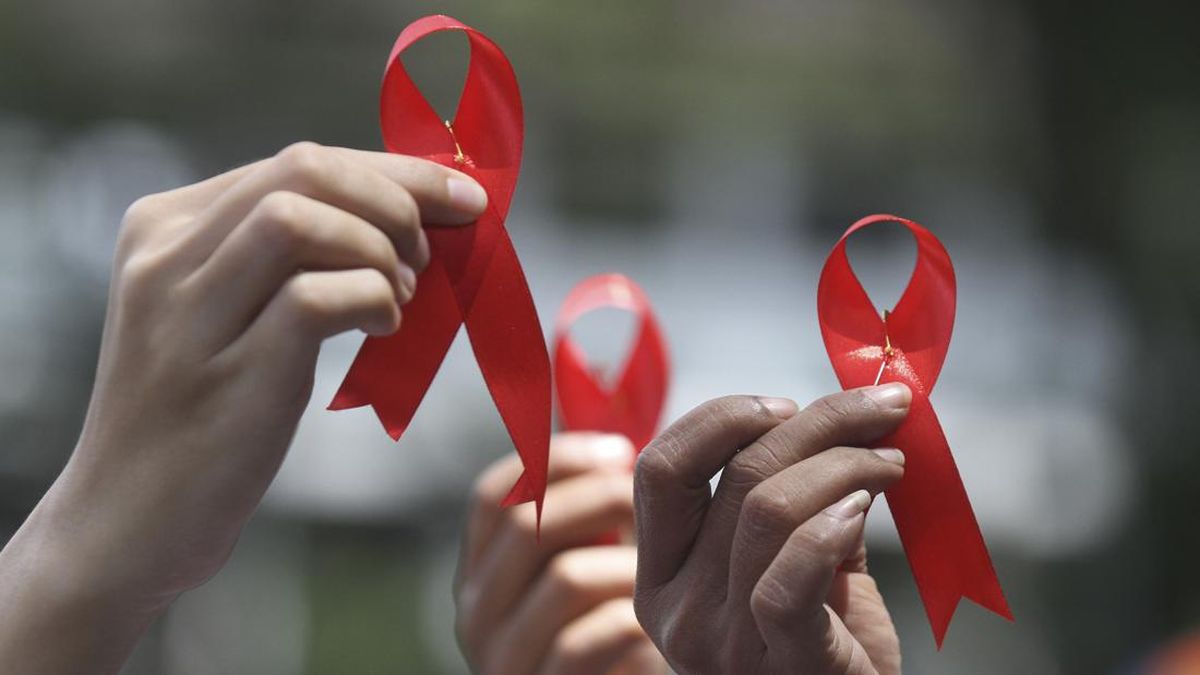
Stigma and Access Remain Barriers to HIV/AIDS Care
For individuals living with HIV/AIDS, navigating daily life can be a struggle marked by societal stigma and systemic barriers to healthcare. Recent concerns raised by political figures highlight the ongoing challenges faced by those affected by the virus, even as the world observes World AIDS Day.
Reports indicate that people living with HIV in Indonesia frequently encounter discrimination, impacting their ability to access vital medications and live with dignity. This isn’t simply a matter of medical treatment; it’s a human rights issue.
“I am deeply aware that life is not easy for those living with HIV in this country today,” stated a member of the parliamentary health commission. “I continue to receive numerous complaints regarding access to medication, discrimination, and other difficulties.”
A Fundamental Right: Healthcare for All
Advocates emphasize that healthcare is a fundamental human right, and discrimination within the healthcare system is unacceptable. The principle of equal access to care, regardless of health status, is paramount.
“Healthcare is the right of all citizens, and there should be absolutely no discrimination,” a leading health official within a major political party asserted. “Everyone wants to be healthy, and everyone deserves the opportunity to achieve that.”
Challenges in Accessing Treatment
The difficulties extend beyond simply facing prejudiced attitudes. Many individuals struggle to obtain the necessary medications, often enduring lengthy and arduous processes. Stories circulate of patients forced to arrive at pharmacies before dawn and wait for hours to receive their prescriptions, sometimes even needing to bring their own meals.
Financial burdens also play a significant role. HIV/AIDS treatment is a lifelong commitment, requiring continuous medication. For those without health insurance, the cost can be prohibitive.
Political Commitment to Change
Political parties are increasingly recognizing the need for greater support and protection for people living with HIV/AIDS. There’s a growing push to ensure universal health coverage, guaranteeing access to treatment for all who need it.
“We will continue to advocate for government guarantees of healthcare for people living with HIV/AIDS,” pledged a party spokesperson. “We will work to ensure that those without insurance can obtain coverage, as this is a long-term treatment that requires ongoing care.”
Global Context and Public Health Implications
According to UNAIDS, an estimated 39 million people globally were living with HIV in 2022. While significant progress has been made in reducing new infections and increasing access to treatment, disparities persist. Stigma and discrimination remain major obstacles to prevention, testing, and treatment. Addressing these issues is crucial not only for the well-being of individuals but also for achieving global public health goals.
The situation in Indonesia underscores the need for comprehensive strategies that address both the medical and social aspects of HIV/AIDS. This includes public awareness campaigns to combat stigma, improved access to affordable healthcare, and stronger legal protections against discrimination.
World AIDS Day serves as a critical reminder that the fight against HIV/AIDS is far from over. Continued commitment from governments, healthcare providers, and communities is essential to ensure that everyone living with HIV/AIDS can live a healthy and dignified life.