Healthcare Social Media Marketing: Connecting With Patients & Building Your Audience
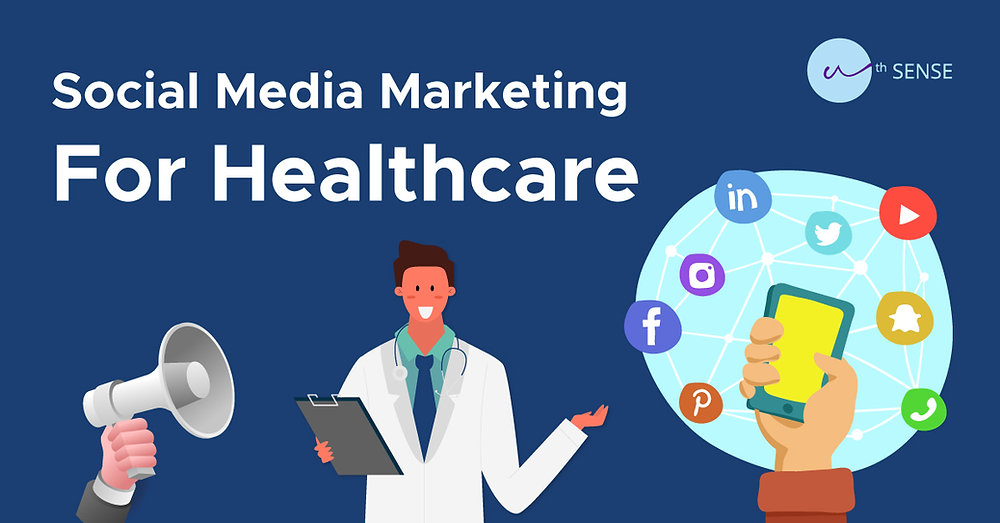
Harnessing Social Media to Bridge Healthcare Gaps and Empower Patients
The healthcare landscape is undergoing a profound digital transformation, with social media emerging as a critical tool for fostering patient communication and disseminating vital health information. In this evolving digital ecosystem, healthcare organizations are increasingly recognizing the power of platforms like Facebook, X (formerly Twitter), Instagram, LinkedIn, YouTube, and even TikTok to connect with their communities, build trust, and enhance the patient experience.
This shift is more than just a trend; it represents a fundamental change in how healthcare providers can extend their reach and humanize their services. As more than 75% of healthcare organizations actively use social media to engage with the public, the focus is moving beyond simple broadcasting to creating meaningful interactions.
The Strategic Imperative: Why Healthcare Needs Social Media
In an era where information is readily available yet often fragmented or misleading, social media offers a unique opportunity for healthcare providers to establish themselves as trusted authorities. By sharing expertise, highlighting successful patient outcomes, and featuring testimonials, organizations can build credibility and cultivate a sense of trust among both current and prospective patients. This proactive approach to online transparency is crucial for addressing the public’s growing need for accessible and reliable health information.
The World Health Organization (WHO) consistently emphasizes the need for robust public health communication, particularly in disease prevention and health promotion. Social media platforms, when used strategically, can be powerful conduits for such communication, helping to combat misinformation and promote healthier lifestyles. For instance, during public health crises, platforms can be invaluable for disseminating real-time updates and guidance from reputable sources like the Centers for Disease Control and Prevention (CDC).
Consider the sheer reach: billions of individuals engage on social media daily. This presents healthcare providers with an unparalleled chance to increase brand visibility and foster deeper connections. It’s not just about reaching more people; it’s about reaching the right people with relevant, impactful content. As the quote by Janet Benson Amarhavwie, Social Media Manager, succinctly puts it, “It’s never about how often you post but the quality of your content.” This underscores the need for a well-thought-out strategy that prioritizes value and relevance over sheer volume.
Navigating the Digital Landscape: Platform-Specific Strategies
Each social media platform offers distinct advantages for healthcare providers:
- Facebook: Ideal for sharing educational content, promoting events, highlighting patient success stories, and addressing common health concerns through posts, videos, and live streams. Facebook groups can foster supportive communities for patients with specific medical conditions.
- X (formerly Twitter): Its real-time nature makes it perfect for sharing breaking news, timely updates, and engaging in industry discussions. It’s a valuable tool for establishing thought leadership. Content on X often performs best when tied to current events or news stories.
- Instagram: This visually driven platform excels at showcasing behind-the-scenes glimpses of healthcare facilities and staff, sharing patient success stories through compelling images and short videos, and offering easily digestible health tips.
- LinkedIn: Professional networking is the core here, allowing healthcare professionals to share in-depth articles, research, and thought leadership, positioning themselves as experts in their fields.
- YouTube: The dominant video-sharing platform, YouTube is a prime space for in-depth educational content, explainer videos, patient testimonials, and virtual Q&A sessions with medical professionals.
- TikTok: While often associated with entertainment, TikTok’s short-form video format can be surprisingly effective for quick health tips, debunking myths, and reaching younger demographics in an engaging and accessible manner.
Crafting an Effective Social Media Strategy for Health
Developing a robust social media strategy is paramount for healthcare organizations aiming to connect with patients, boost their online presence, and drive tangible results. This strategic blueprint should encompass several key elements:
- Defining Clear Goals and Objectives: What do you aim to achieve? Whether it’s increasing patient appointment bookings, enhancing brand awareness, or improving patient education, specific, measurable goals are essential. These objectives should align with the organization’s broader marketing and patient care aims.
- Understanding Your Target Audience: Deep audience research, including the creation of buyer personas, is crucial. Who are your ideal patients? What are their health concerns, information needs, and preferred communication styles? Understanding these nuances will guide content creation and ensure your message resonates effectively.
- Creating Engaging and Valuable Content: The cornerstone of any successful social media presence is high-quality content. This includes informative health tips, shareable infographics, compelling patient success stories, expert interviews, and interactive posts that encourage participation. Social media listening tools can provide invaluable insights into what your audience wants to learn and help clarify potential misinformation.
- Establishing a Consistent Brand Voice: Whether your organization’s voice is authoritative, empathetic, friendly, or informative, consistency is key. This defined tone and language should be applied across all social media communications to build a recognizable and reliable brand identity.
Fostering Patient Engagement and Trust
Beyond content creation, active engagement is vital. Healthcare providers can leverage platform tools like live video streaming for Q&A sessions, stories for interactive polls and quizzes, and direct messaging to respond promptly to inquiries. Prompt, personalized responses to patient questions and feedback are paramount—they demonstrate attentiveness and a genuine commitment to patient well-being.
Encouraging user-generated content (UGC) and sharing patient stories can be incredibly powerful. When patients share their positive experiences, it serves as authentic social proof, reinforcing trust and credibility. Furthermore, using social media for patient education is a direct pathway to empowerment. Sharing information on preventative measures, debunking common health myths, and offering guidance on healthy lifestyles can significantly impact public health outcomes.
Maintaining Momentum: Essential Tips for Long-Term Success
Sustaining a successful social media presence requires ongoing effort and adaptation. Utilizing social media advertising tools, such as those offered by Meta (Facebook and Instagram) and LinkedIn, allows for precise targeting to reach specific patient demographics interested in particular services or awareness campaigns.
Crucially, healthcare organizations must meticulously adhere to privacy and regulatory guidelines, such as the Health Insurance Portability and Accountability Act (HIPAA) in the United States. Avoiding the sharing of personally identifiable health information on public platforms and maintaining strict confidentiality in all interactions is non-negotiable. This commitment to patient privacy builds a foundational layer of trust.
Regularly monitoring and analyzing social media performance using built-in analytics tools or third-party applications is also essential. Tracking key metrics like engagement rates, reach, click-through rates, and follower growth helps identify what resonates with the audience and informs strategy optimization. As the digital landscape is ever-evolving, staying updated with the latest trends, platform algorithm changes, and best practices in social media marketing is key to maintaining a competitive and effective presence.
In conclusion, a proactive, adaptive, and ethically grounded approach to social media can significantly enhance a healthcare organization’s ability to connect with patients, disseminate vital health information, and ultimately, improve public welfare. It’s a dynamic journey that demands continuous evaluation, innovation, and a steadfast commitment to serving the community.