Great Britain Third at European Short Course Champs: McMillan, Scott & Cox Win Gold
Great Britain Secures Bronze at European Short Course Championships, Eyes 2028 Olympics
LUBILN, Poland – Great Britain finished a strong third in the medal standings at the European Short Course Swimming Championships in Lublin, Poland, concluding six days of intense competition with a total of 11 medals, including three golds. While falling short of their dominant performance at the 2023 edition, the team showcased promising form, particularly with an eye towards the 2028 Olympic Games in Los Angeles.
McMillan and Scott Lead British Charge in Freestyle
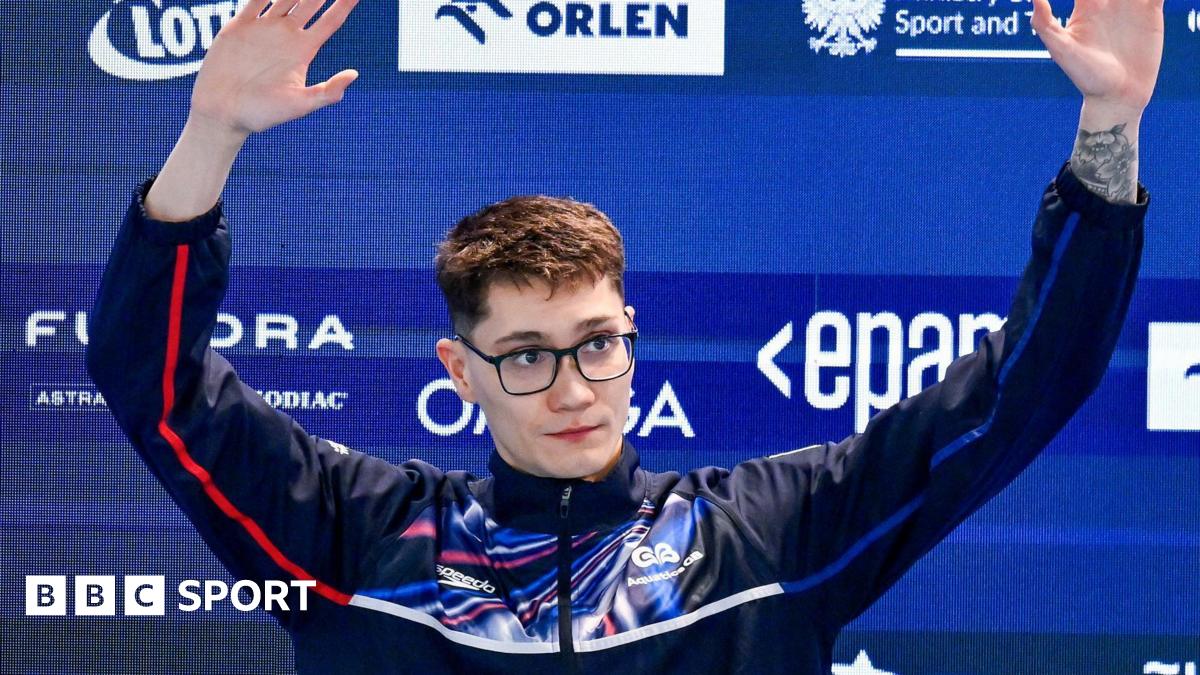
The British team’s golden success was spearheaded by Jack McMillan and Duncan Scott in the men’s freestyle events. McMillan claimed the coveted title in the men’s 400m freestyle, demonstrating a strategic race pace and powerful finish. He then followed up with a silver medal in the 200m freestyle, finishing just behind teammate Scott. This one-two finish highlighted the depth of talent within the British program.
“Coming into this I was in really good shape. But to actually do it on the stage, on the day, is very special,” McMillan stated, reflecting on the significance of his 400m victory. “It just gives me more confidence, the training I am doing is clearly working, so that’s good to know at the start of this block heading towards the 2028 Olympic Games.”
Scott’s victory in the 200m freestyle wasn’t merely a triumph over McMillan; it underscored his continued evolution as a world-class swimmer. Scott, a veteran of multiple Olympic Games and a key figure in British swimming, has consistently demonstrated an ability to perform under pressure. His tactical approach, often characterized by a strong second half of the race, proved decisive in Lublin. The British Swimming Federation will be looking to build on this success as they prepare for major international competitions.
Cox Shines in Backstroke, Colbert Contributes Multiple Medals
Lauren Cox delivered a standout performance in the women’s 100m backstroke, securing gold for Great Britain. Her victory was a testament to her technical proficiency and speed, establishing her as a force to be reckoned with in the event. The women’s team, while not as dominant as the men’s in terms of gold medal count, demonstrated consistent depth with multiple podium finishes.
Freya Colbert, at just 21 years old, emerged as a rising star for the British team, contributing two bronze medals in the women’s 200m and 400m freestyle events. Her performances signal a bright future for the young swimmer and provide valuable experience as she progresses towards potential Olympic contention. Colbert’s consistency across both distances demonstrates a versatile skillset that will be crucial for team selection in future championships.
Walshe Makes Irish History, Italy and Netherlands Dominate
Beyond the British success, the championships also witnessed a historic moment for Ireland. Ellen Walshe became the first Irish woman to win gold at the European Short Course Championships, triumphing in a thrilling 200m butterfly final. Walshe’s victory is a significant milestone for Irish swimming and is expected to inspire a new generation of athletes.
However, the championships were ultimately dominated by Italy and the Netherlands. Italy topped the medal table with an impressive nine golds and a total of 23 medals, while the Netherlands secured seven golds and 21 medals overall. This dominance highlights the strength of their respective swimming programs and the investment they have made in developing elite athletes. According to Statista, swimming is one of the most popular participation sports globally, with over 300 million people actively involved, driving increased competition and investment in the sport.
Looking Ahead: Short Course Success Translates to Long Course Goals
Great Britain’s performance in Lublin, while a step down from their nine-gold haul in 2023, provides a solid foundation for future success. The short course championships serve as a valuable opportunity for athletes to hone their skills and gain competitive experience, particularly in the lead-up to major long course events like the World Championships and, ultimately, the Olympic Games. The transition from short course (25m pools) to long course (50m pools) requires adjustments in pacing and endurance, but the confidence and momentum gained in Lublin will undoubtedly benefit the British team as they prepare for the challenges ahead.
The team’s focus now shifts towards refining their training programs and identifying areas for improvement. The coaching staff will be analyzing race data and providing individualized feedback to help athletes maximize their potential. With the 2028 Olympics on the horizon, the European Short Course Championships have served as a crucial stepping stone in Great Britain’s pursuit of swimming excellence.