GLP-1s for Weight Loss: Benefits, Risks & Holistic Obesity Care
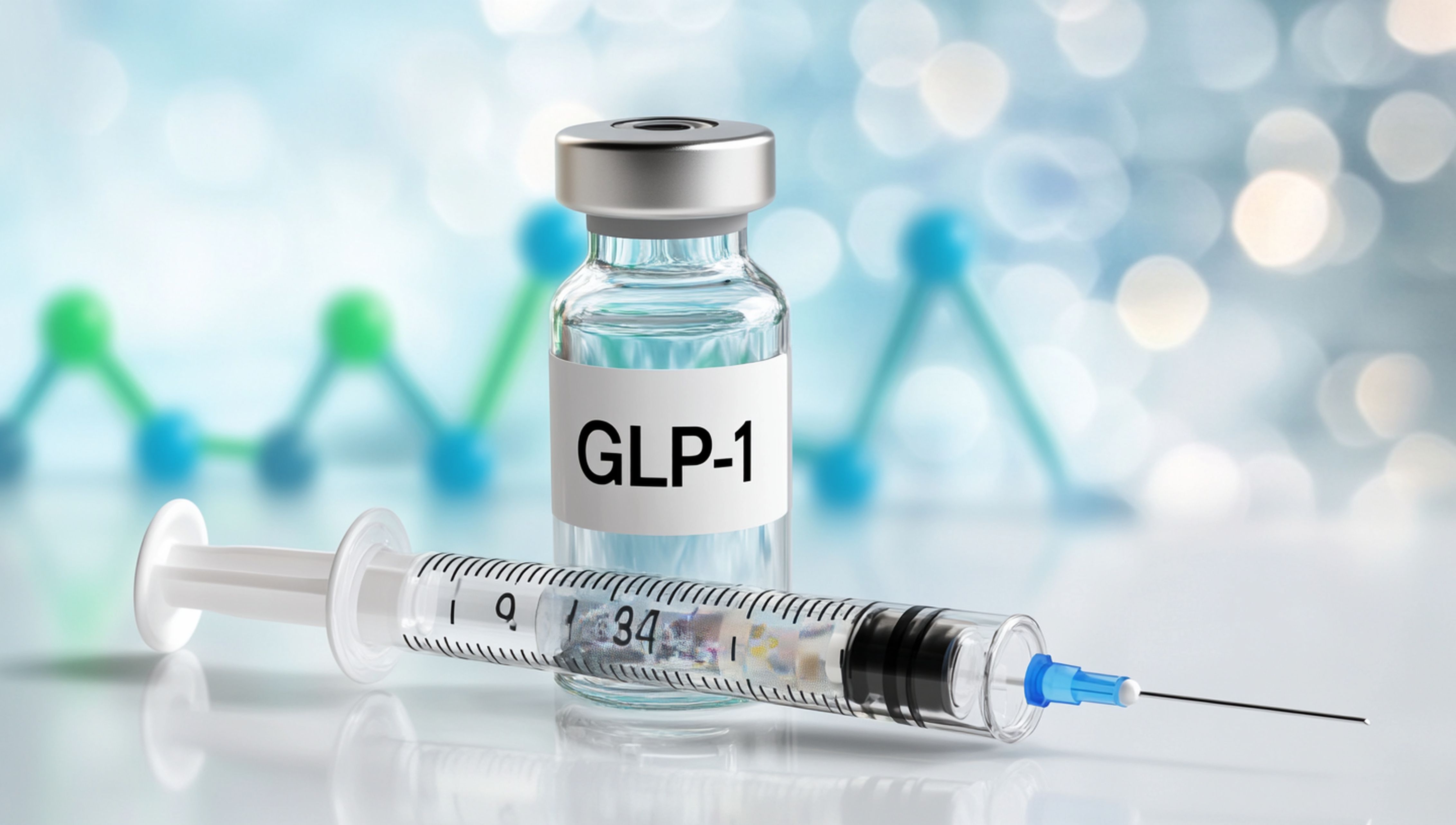
GLP-1s: A New Era in Weight Management, But Not a Quick Fix
The landscape of obesity treatment is undergoing a dramatic shift. Recent endorsement by the American College of Cardiology (ACC) of glucagon-like peptide-1 (GLP-1) receptor agonists, like semaglutide (marketed as Wegovy), as a first-line therapy for individuals with cardiometabolic risk signals a major turning point. These medications, initially developed for type 2 diabetes, have demonstrated remarkable efficacy in promoting weight loss and reducing cardiovascular risks, offering a powerful new tool in the fight against a global health crisis. However, experts caution that these drugs are not a panacea and must be integrated into a comprehensive, patient-centered approach that prioritizes lifestyle changes.
The Weight of the Problem: A Global Epidemic
Obesity is no longer simply a cosmetic concern; it’s a significant public health threat. According to the World Health Organization, more than 1 billion people worldwide are living with obesity – a number that has tripled since 1975. This escalating epidemic fuels a cascade of health problems, including heart disease, stroke, type 2 diabetes, certain cancers, and musculoskeletal disorders. In the United States, the Centers for Disease Control and Prevention (CDC) reports that over 40% of adults have obesity, leading to an estimated $173 billion in annual medical costs.
For decades, the cornerstone of obesity management has been lifestyle interventions: dietary modifications, increased physical activity, and behavioral therapy. While effective for many, these approaches often require significant commitment and can be challenging to sustain long-term. Pharmacological interventions were traditionally reserved for those who struggled to achieve results through lifestyle changes alone. GLP-1 receptor agonists are changing that paradigm.
How GLP-1s Work: Beyond Weight Loss
GLP-1 receptor agonists mimic the effects of the naturally occurring hormone GLP-1, which plays a crucial role in regulating appetite and blood sugar. These medications work by increasing insulin secretion, suppressing glucagon release (a hormone that raises blood sugar), slowing down gastric emptying, and ultimately reducing hunger. A recent meta-analysis published in the American Journal of Cardiology demonstrated significant weight loss – an average of 12.3 kg (approximately 27 pounds) – in patients without diabetes using semaglutide.
The benefits extend beyond weight reduction. Studies suggest GLP-1s can improve cardiovascular health by lowering blood pressure, reducing inflammation, and improving cholesterol levels. This is particularly important given the strong link between obesity and cardiovascular disease. For more information on managing cardiometabolic risk, explore resources available on Worldys.news.
Navigating the Risks and Concerns
While GLP-1s offer promising benefits, they are not without potential side effects. Common adverse effects include gastrointestinal issues like nausea, diarrhea, constipation, and vomiting. More serious, though less frequent, risks include gallbladder disease and pancreatitis. Emerging concerns also involve increased aspiration risk during anesthesia and difficulties with bowel preparation for procedures like colonoscopies due to delayed gastric emptying.
Perhaps the most pressing concerns revolve around long-term safety, equitable access, and the potential for misuse. The increasing availability of compounded versions of semaglutide, often through medical spas and online sources, raises red flags. These compounded formulations may contain undisclosed ingredients and lack the rigorous quality control of FDA-approved medications. Furthermore, the high cost of these drugs can create significant barriers to access for many individuals who could benefit from them.
A Holistic Approach is Key
The ACC’s endorsement of GLP-1s is a significant step forward, but it’s crucial to remember that medication is just one piece of the puzzle. A truly effective obesity management strategy must be holistic, addressing both the physiological and behavioral aspects of the condition. This includes personalized nutrition plans, regular physical activity, stress management techniques, and ongoing support from healthcare professionals.
“We need to move away from the idea of a ‘magic bullet’ and embrace a comprehensive approach that empowers patients to make sustainable lifestyle changes,” says Dr. Maria Silva, a leading endocrinologist at Massachusetts General Hospital. “GLP-1s can be a valuable tool, but they work best when combined with education, counseling, and a commitment to long-term health.”
As healthcare systems navigate this therapeutic shift, ethical considerations, cost-effectiveness, and long-term safety must remain paramount. Supervised clinical trials are needed to better understand the long-term effects of these medications and to identify potential risks. Ultimately, GLP-1 receptor agonists represent a powerful advancement, but their success hinges on judicious application within the context of holistic obesity management.