France Military Service: Macron Reintroduces National Service | FRANCE 24
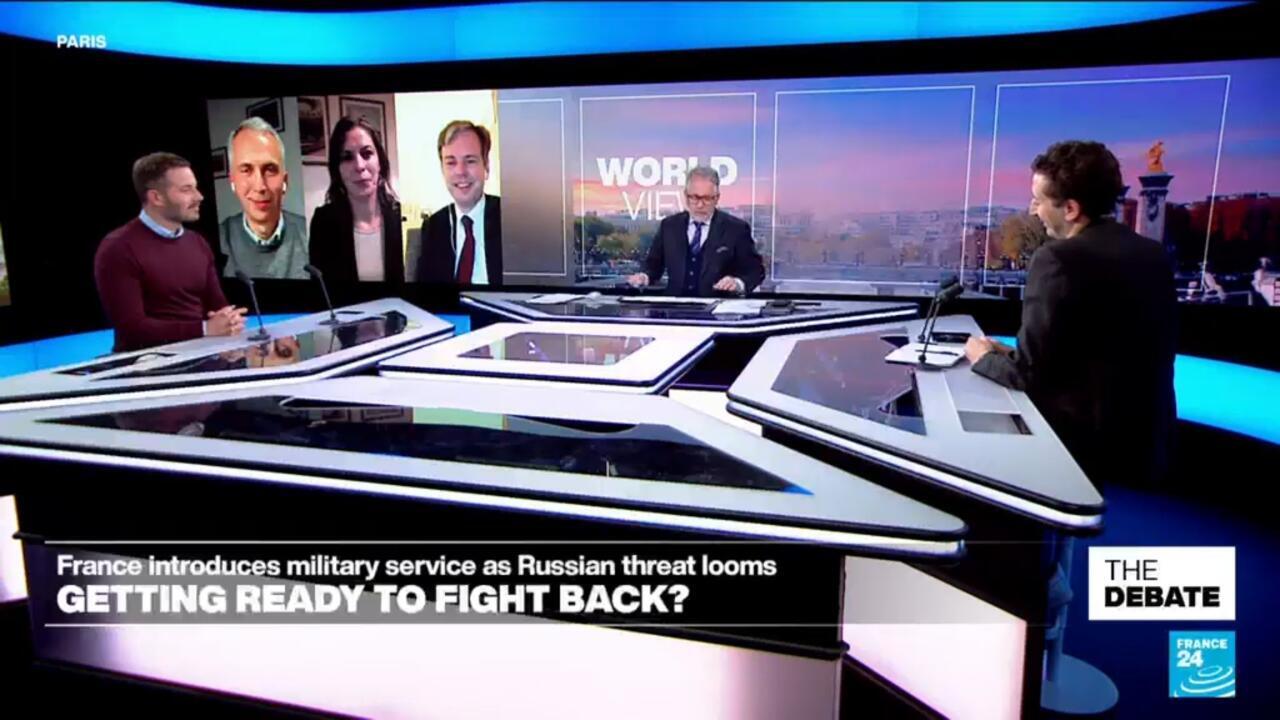
France Revives National Service, Citing Escalating Russian Threat
VARCES, France – In a move echoing a bygone era, French President Emmanuel Macron announced Tuesday the reintroduction of a national military service for young French citizens. The program, framed as a response to a deteriorating security landscape dominated by Russia’s increasingly assertive foreign policy, will offer a year of military training to all 18-year-olds, with a monthly stipend of €800.
The announcement, delivered at an army barracks in Varces, in the Isère region of southeastern France, was a carefully staged event, surrounded by uniformed youth. It signals a significant shift in French defense policy and a broader European reckoning with the changing geopolitical realities following Russia’s invasion of Ukraine. While participation will be voluntary, the initiative aims to bolster France’s reserve forces and foster a stronger sense of national cohesion.
A Nation Re-examines its Security Posture
France previously had mandatory national service, but it was abolished in 1996, transitioning to a professional army. Macron’s decision to revisit this model isn’t simply about increasing manpower. It’s about cultivating a generation with a deeper understanding of civic duty and national defense, particularly as concerns mount over potential future conflicts. The timing is crucial. European nations, particularly those bordering Russia or with historical ties to the region, are actively reassessing their security strategies.
“We are living in an era of great upheaval,” Macron stated during his address. “The war in Ukraine has shown us that we cannot take peace for granted. We must prepare ourselves for a world where conflict is a real possibility.” This sentiment is shared across the continent, with countries like Sweden and Finland recently abandoning decades of neutrality to join NATO, a direct consequence of Russia’s actions.
Beyond Military Training: A Focus on Civic Engagement
The program isn’t solely focused on combat skills. Macron emphasized that the service will encompass a broader range of training, including civic education, first aid, and environmental awareness. This suggests a desire to create a program that instills not just military preparedness, but also a sense of responsibility and engagement within French society. The €800 monthly stipend, while modest, is intended to make the program accessible to young people from all socioeconomic backgrounds.
However, the initiative isn’t without its critics. Some question the logistical challenges of accommodating all 18-year-olds, while others argue that a voluntary system will inevitably lead to an uneven distribution of participants, potentially exacerbating existing social inequalities. The success of the program will hinge on its ability to attract a diverse pool of recruits and provide meaningful training that prepares them for a range of potential scenarios.
Europe’s Defense Spending Surge: A Wider Trend
France’s move is part of a wider trend of increased defense spending across Europe. According to data from the Stockholm International Peace Research Institute (SIPRI), global military expenditure reached $2.44 trillion in 2023, with Europe accounting for nearly a third of that total. Specifically, European nations increased their military spending by 6.8% in real terms in 2023, driven largely by the war in Ukraine and growing concerns about Russian aggression.
This surge in defense spending reflects a fundamental shift in European security thinking. For decades, many European nations relied on the United States to provide the bulk of their defense capabilities. However, the perceived unreliability of US foreign policy under recent administrations, coupled with the escalating threat from Russia, has prompted a renewed focus on European self-reliance. France, with its independent nuclear deterrent and relatively strong military capabilities, is positioning itself as a leader in this effort.
The Geopolitical Ripple Effect
The reintroduction of national service in France has implications far beyond its borders. It could encourage other European nations to consider similar measures, potentially leading to a significant increase in the continent’s overall military preparedness. It also sends a strong signal to Russia that Europe is taking the threat seriously and is willing to invest in its own defense.
The move also raises questions about the future of the European Union’s common security and defense policy. While the EU has made some progress in recent years towards greater defense cooperation, it remains hampered by a lack of political will and diverging national interests. France’s initiative could provide a catalyst for greater integration, but it could also exacerbate existing tensions between member states.
Ultimately, Macron’s decision to revive national service is a bold gamble. It’s a recognition that the world is becoming a more dangerous place and that France must be prepared to defend its interests. Whether the program will succeed in achieving its goals remains to be seen, but it’s a clear indication that Europe is entering a new era of heightened security concerns and increased military preparedness.