Forgotten ’80s Chrysler Cars: 5 Underappreciated Models
Chrysler’s Forgotten Fleet: A Century of Innovation and the Shadows of the ‘80s
DETROIT – As Chrysler celebrates its 100th anniversary in 2025, the automaker’s history is being revisited, not just for iconic models like the jet-powered Turbine car of the 1960s or the modern HEMI-powered 300C, but also for the vehicles that faded into automotive obscurity. While the brand has navigated decades of mergers, acquisitions, and fluctuating market conditions, a closer look at its 1980s lineup reveals a period of both ambition and struggle – and a collection of underappreciated vehicles that offer a unique glimpse into a pivotal era for American manufacturing.
The Malaise Era and the Rise of Import Competition
The 1980s presented a particularly challenging landscape for domestic automakers. The “Malaise Era,” characterized by economic stagnation, oil crises, and increasingly stringent emissions regulations, stifled performance and innovation. Simultaneously, Japanese automakers were gaining significant market share with fuel-efficient, reliable, and increasingly stylish vehicles. This confluence of factors pushed American brands like Chrysler into the shadows, forcing them to compete on price rather than performance or design. According to data from the Statista, Japanese automakers’ market share in the U.S. rose from 17.6% in 1980 to 28.4% in 1990, directly impacting the sales of domestic brands.
A Bold, But Flawed, Collaboration: The Chrysler TC by Maserati
Perhaps the most ambitious – and ultimately unsuccessful – experiment of the era was the Chrysler TC by Maserati. This collaboration aimed to capitalize on the 1980s appetite for luxury and performance, blending American engineering with Italian flair. However, the result was a confusing and overpriced vehicle. Available with a range of engines – from a turbocharged four-cylinder to a Mitsubishi V6, and even a Maserati-derived option – the TC failed to deliver on its premium promise. Its styling closely resembled the more affordable LeBaron convertible, yet it commanded a price tag exceeding $33,000 in 1989 (equivalent to over $86,000 today). Only around 7,300 units were sold during its three-year production run, and today, even well-maintained examples struggle to reach $15,000 at auction, highlighting the market’s lukewarm reception.
Stretching the Limits: The Chrysler Executive Limousine
Chrysler also attempted to carve out a niche in the luxury transportation market with the Chrysler Executive Limousine. Based on the ubiquitous K-car platform, the Executive was essentially a stretched LeBaron, modified by ASC to accommodate up to seven passengers. While offering features like a dividing partition and rear audio system, the Executive Limousine’s initial engine options were underwhelming, with a Mitsubishi-sourced 2.6-liter inline-four producing a mere 93 horsepower. A turbocharged 2.2-liter engine was later offered, boosting output to 143 horsepower. Despite a relatively affordable starting price of $21,900 in 1983 (around $71,400 today), the Executive Limousine remains a rare sight, with only approximately 1,500 units ever produced. Secondhand models now sell for around $10,000, offering a surprisingly accessible entry point into the world of classic limousines.
Diamond Star’s Legacy: The Chrysler Conquest TSi
The Chrysler Conquest TSi represents a unique chapter in Chrysler’s history – the Diamond Star Motors joint venture with Mitsubishi. Essentially a rebadged Mitsubishi Starion, the Conquest TSi, in its top-spec form, offered a respectable 176 horsepower from a turbocharged four-cylinder engine. A widebody version introduced in 1986 further enhanced its sporting appeal. However, despite its performance credentials, the Conquest struggled to gain traction in a market dominated by Japanese rivals like the Supra and Nissan Z cars. Today, tidy examples fetch between $10,000 and $15,000, with exceptional models exceeding $20,000, demonstrating a growing appreciation among collectors.
Digital Dashboards and Bold Styling: The Chrysler Laser Turbo
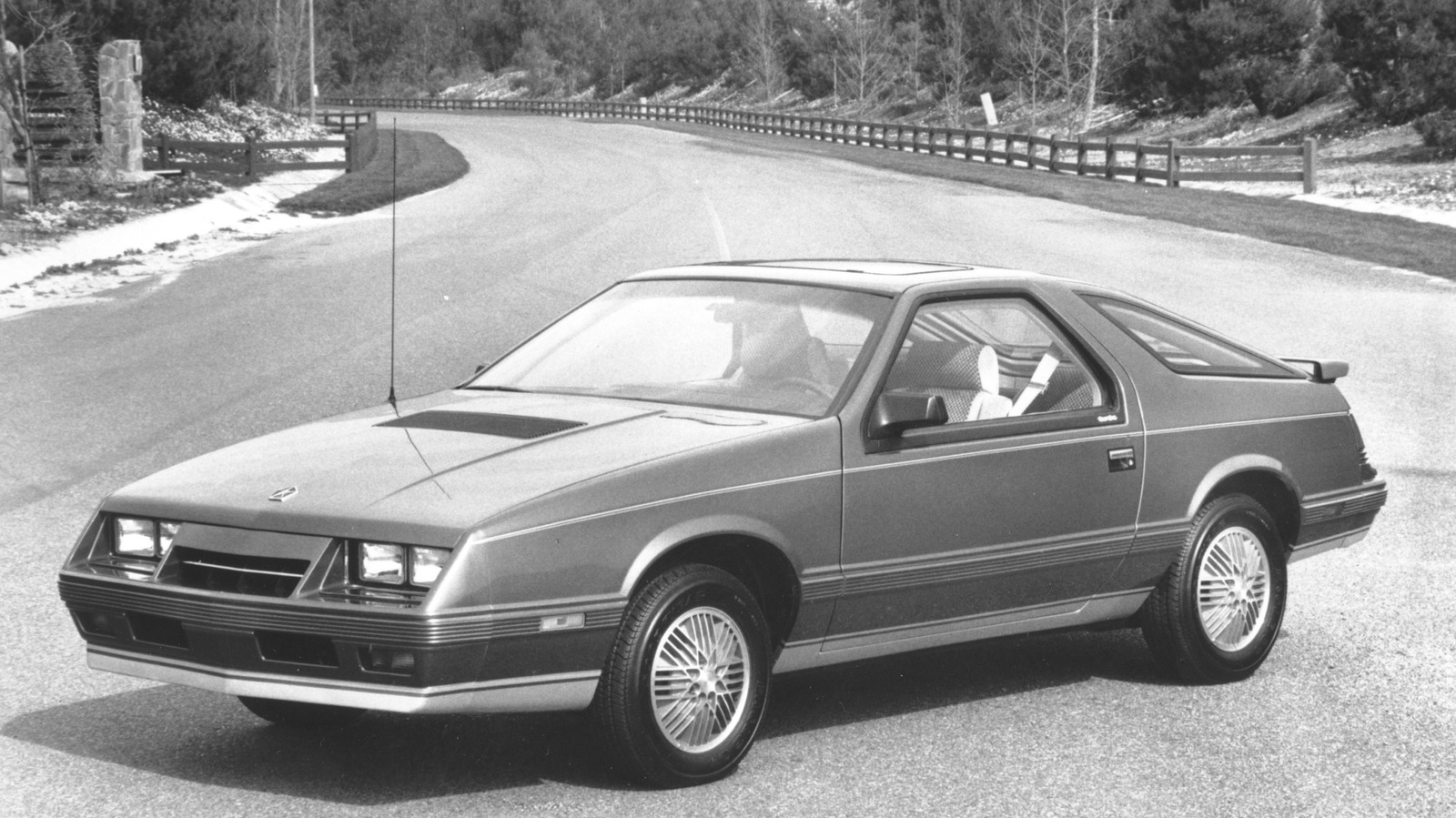
The Chrysler Laser Turbo, marketed as the brand’s first sports car, was a bold attempt to inject excitement into the Chrysler lineup. Featuring a turbocharged 2.2-liter engine producing 142 horsepower, the Laser Turbo stood out with its distinctive styling and innovative interior. Notably, it offered an available digital dashboard with bar-graph fluid readouts and a voice alert system for minor issues. While promotional materials claimed it could outperform competitors like the Camaro Z/28, the Laser’s front-wheel-drive configuration and hatchback body style didn’t quite align with traditional sports car expectations. A total of 147,396 units were produced over three years, but the Dodge Daytona, its sister model, proved more popular, leaving the Laser somewhat forgotten.
These forgotten Chryslers of the 1980s serve as a reminder of a turbulent period for the American auto industry. They represent a willingness to experiment, a struggle to adapt to changing market conditions, and a legacy of innovation that continues to shape the brand today. As Chrysler looks towards its next century, acknowledging and celebrating these often-overlooked vehicles is crucial to understanding its full and complex history.