EU-Mercosur Deal: Italy & France Seek Vote Delay | Farmers’ Concerns Grow
EU-Mercosur Trade Deal Faces Roadblock as Nations Demand Protections for Farmers
BRUSSELS – A landmark trade agreement between the European Union and the Mercosur bloc of South American nations is teetering on the brink of delay, as a coalition of European countries pushes for greater safeguards for their agricultural industries. The deal, slated for a signing ceremony in Brazil on December 20th, is now subject to intense scrutiny and negotiation.
Growing Opposition Threatens Agreement
Italy and France are leading the charge, formally requesting a postponement of the vote on the agreement. Concerns center around the potential impact on European farmers, who fear being undercut by cheaper agricultural imports from Mercosur countries like Brazil and Argentina. The move comes as the EU grapples with increasing pressure to balance free trade ambitions with the need to protect domestic agricultural sectors.
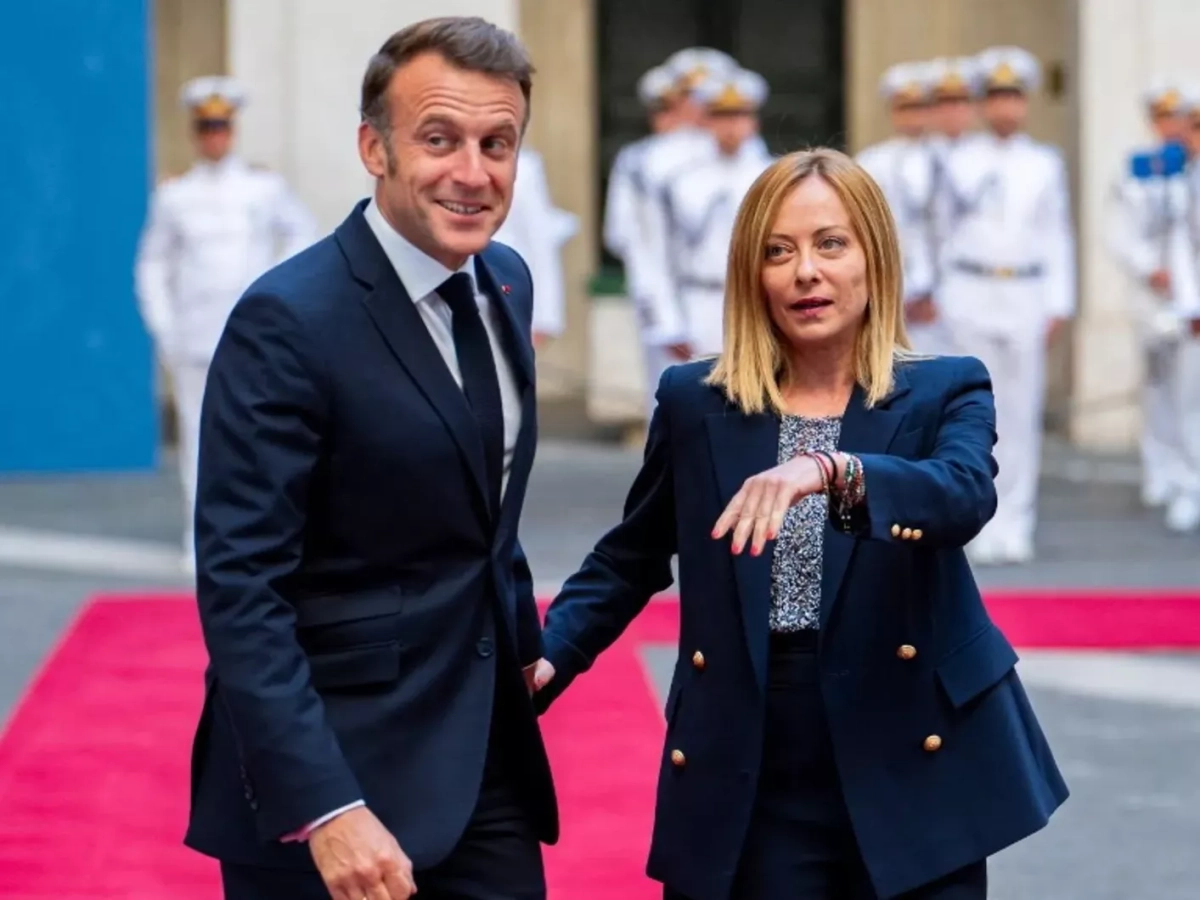
According to sources, Italian Prime Minister Giorgia Meloni and French President Emmanuel Macron have reached an agreement on the necessity of a delay. While the Italian government has not officially commented, the alignment with France significantly strengthens the opposition.
This opposition is bolstered by existing resistance from Poland, Hungary, and Austria – the latter of which is legally obligated to oppose the deal. Ireland is also leaning towards supporting France’s position. This combination creates a blocking minority within the EU Council, capable of halting the vote.
The Stakes are High: Geopolitical and Economic Implications
The European Commission, however, is keen to see the agreement finalized. A Commission spokesperson emphasized the “crucial political, diplomatic, geopolitical, and economic importance” of the deal, stating that the executive body “expects” the signing to proceed before the end of the year. The Commission views the agreement as a strategic move to diversify supply chains and reduce reliance on China, particularly for critical minerals.
The deal also offers a potential alternative market as the EU navigates new tariffs imposed by the United States. For Commission President Ursula von der Leyen to travel to Brazil for the signing ceremony with President Luiz Inácio Lula da Silva on December 20th, approval from EU member states is essential.
Qualified Majority Required for Approval
Approval of trade agreements within the EU requires a qualified majority. This means at least 15 out of 27 member states, representing at least 65% of the EU’s total population, must vote in favor. The current opposition represents a significant hurdle, requiring a minimum of four member states to form a blocking minority.
Support Remains from Key Nations
Despite the growing opposition, the agreement still has strong support from Germany, Spain, and the Nordic countries, including Denmark, which currently holds the rotating presidency of the EU. These nations see the deal as a vital step towards strengthening the EU’s economic and geopolitical position on the global stage.
The debate surrounding the EU-Mercosur trade agreement highlights the complex challenges facing the EU as it seeks to balance its economic interests with the concerns of its member states and the need to protect its agricultural sector. The coming days will be critical in determining whether the deal can be salvaged and signed as planned.
Last updated December 15, 2023