Epsom Derby Prize Money: £2m Boost for 2026 Race
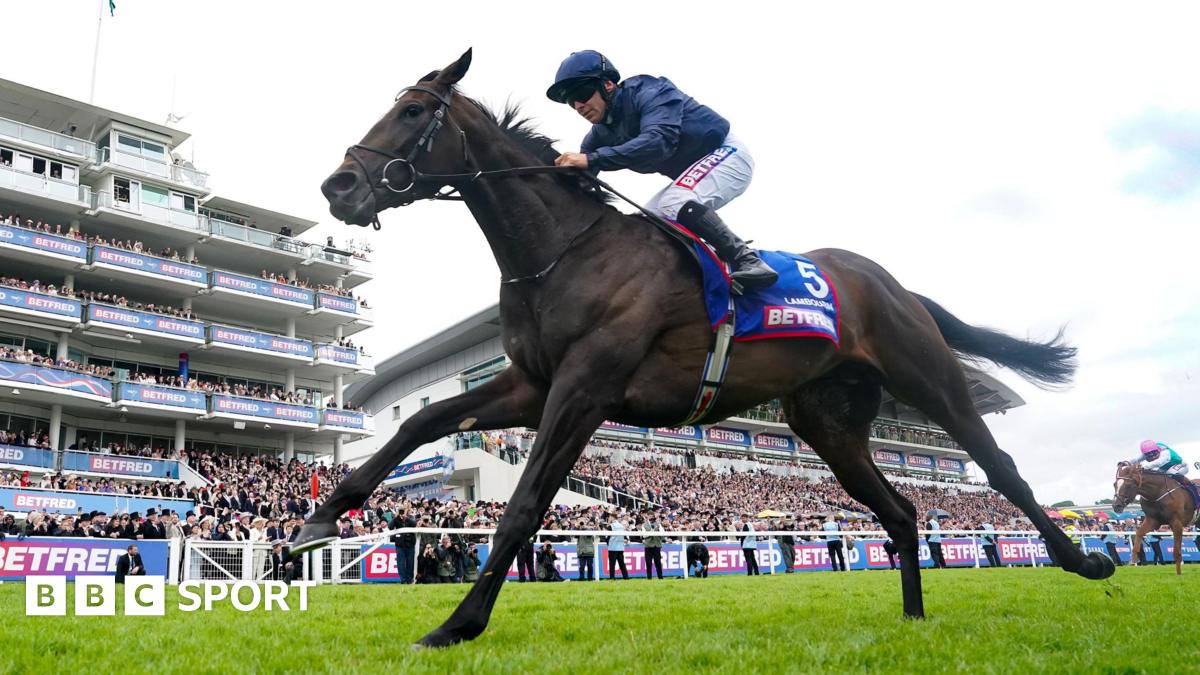
Epsom Derby Prize Fund Soars to £2 Million, Ushering in New Era for Classic Race
Epsom, England – The Epsom Derby, a cornerstone of the British racing calendar and one of the most prestigious events in the global Jockey Club portfolio, is set for a significant financial boost. Starting in 2026, the total prize money will increase to £2 million, making it joint-richest race in the United Kingdom. The move, announced today, signals a clear intent to elevate the Derby’s status and attract the very best thoroughbreds from around the world.
The £500,000 increase will see the winner’s share jump to a substantial £1 million, a figure that will undoubtedly entice leading owners and trainers to target the iconic race. This isn’t simply about bigger payouts; it’s about reinforcing the Derby’s position as a premier sporting event and a vital component of the British horseracing industry. The decision reflects a broader trend within the sport, where increased prize money is seen as crucial for attracting investment and maintaining competitiveness against international rivals.
Beyond the Purse: Broadening Appeal and Strategic Scheduling
The changes extend beyond the prize fund. The Jockey Club is actively working to broaden the Derby’s appeal, particularly to a younger audience. A key initiative is the introduction of free entry for all under-18s to the two-day Derby meeting, starting with the 2025 renewal on June 6th. This is a smart move, recognizing the need to cultivate the next generation of racing fans. Attendance figures at major racing events have seen a slight dip in recent years, with Statista reporting a fluctuating attendance, highlighting the importance of attracting new demographics.
Strategic adjustments to the race schedule are also planned. The Coronation Cup, a Group 1 race held on Derby weekend, will be moved from its traditional Friday slot to the Saturday card. This change is coupled with a significant prize money increase, more than doubling from £450,000 to £1 million, thanks to new sponsorship from Coolmore, leading racehorse breeders. This move aims to create a more compelling Saturday program, maximizing both attendance and broadcast viewership. The Oaks, traditionally the feature race on the Friday, will retain its prominent position.
The Tactical Landscape of Derby Contenders
The Epsom Derby isn’t just about raw speed; it’s a test of stamina, temperament, and tactical acumen. The undulating course, with its challenging uphill stretch known as “The Hill,” demands a horse with both physical and mental fortitude. Jockeys must carefully manage their mounts’ energy reserves, positioning them strategically throughout the 1 mile and 4 furlong race. A strong gallop early on can often separate the contenders, but leaving too much in reserve for the final furlong is a risky proposition.
Historically, horses with proven stamina over longer distances have fared well at Epsom. However, recent trends suggest that a more versatile profile is becoming increasingly important. Horses capable of quickening over a mile, but still possessing the stamina to stay the distance, are proving to be particularly effective. The ability to handle the unique camber of the Epsom track is also a crucial factor. Trainers will be meticulously studying form, analyzing pedigrees, and assessing their horses’ suitability for the course in the lead-up to the race. According to Racing Post data, horses with a rating of 110 or higher have a 65% chance of placing in the top three.
Financial Implications and the Future of British Racing
The overall prize money increase across the two days of the Derby meeting totals £1.375 million. This substantial investment is a positive sign for the British racing industry, which has faced financial challenges in recent years. Increased prize money not only attracts better horses but also supports the livelihoods of those involved in the sport, from trainers and jockeys to stable staff and breeders. The move is likely to encourage further investment in British racing, potentially leading to improvements in infrastructure and training facilities.
The Derby’s enhanced prize fund also has implications for the broader racing landscape. It could incentivize owners to keep their best horses in training for longer, rather than selling them to international buyers. This would strengthen the quality of racing in Britain and enhance its global appeal. Furthermore, the increased visibility and prestige of the Derby could attract new sponsors and commercial partners, further bolstering the industry’s financial stability. The success of the Derby is intrinsically linked to the health of the entire British racing ecosystem, and this investment represents a significant step towards securing its future.
The Epsom Derby remains a spectacle, a blend of tradition, athleticism, and high-stakes competition. With these significant changes, the 2026 renewal promises to be one of the most exciting and prestigious in the race’s storied history. The increased prize money, coupled with the initiatives to attract a wider audience, positions the Derby as a flagship event for British racing and a must-see for sports fans worldwide.