Dermatose Nodulaire : L’Abattage des Vaches Divise les Éleveurs Français
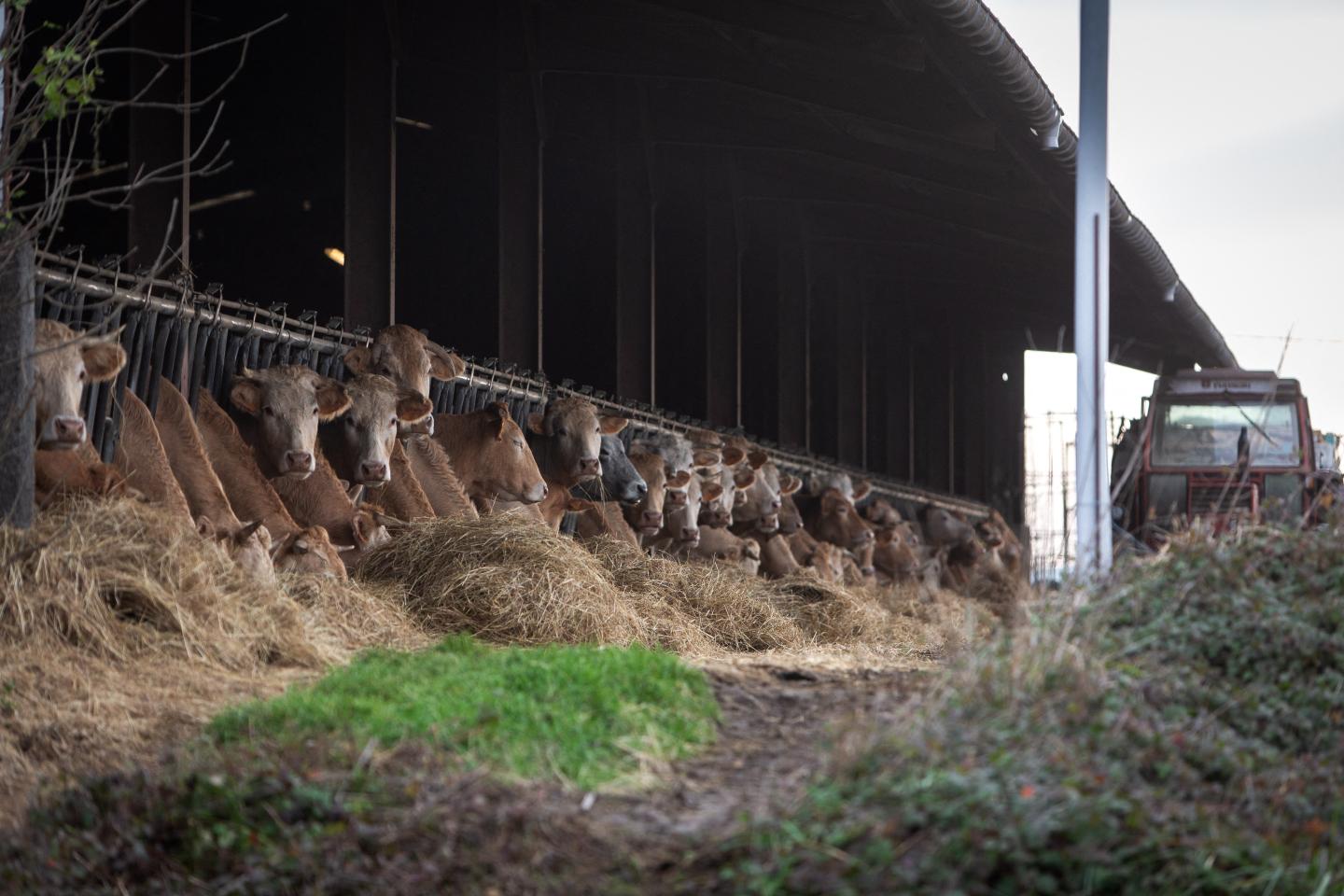
French Farmers Clash with Government Over Cattle Culls to Combat Lumpy Skin Disease
Bordes-sur-Arize, France – A growing wave of protests is sweeping across France, from the southwestern regions to the north, as farmers voice their opposition to the government’s strategy for containing Lumpy Skin Disease (LSD), a highly contagious viral infection affecting cattle. At the heart of the dispute lies the controversial policy of systematic culling of infected herds.
A Disease Spreading Across Europe
France isn’t alone in grappling with this challenge. Italy and Spain, also experiencing their first outbreaks of LSD this year, have adopted similar approaches – targeted culling, vaccination campaigns in designated zones, and restrictions on animal movement. Switzerland, fearing cross-border transmission from France, has proactively initiated a preventative vaccination program.
According to data from the World Organisation for Animal Health (WOAH), LSD doesn’t pose a direct threat to human health, but it can cause significant economic losses for farmers due to reduced milk production, weight loss, and trade restrictions. The disease is typically transmitted by biting insects, such as mosquitoes and ticks.
The Debate: Eradication vs. Preservation
More than 3,000 cattle have been culled in France since late June, while over a million have been vaccinated. The government, backed by major agricultural federations, argues that aggressive culling is the most effective way to rapidly eradicate the virus and protect the country’s livestock industry. However, many farmers are deeply opposed to losing their animals and question whether complete eradication is even achievable.
“All protocols are conceivable, but the question is what objective we are pursuing,” explains François Schelcher, a professor of veterinary pathology at the National Veterinary School of Toulouse. “The current objective is to eradicate the virus as quickly as possible. With targeted culling, we would eventually get rid of it, but at what cost and over what timeframe?”
The conflict highlights a fundamental tension: the desire of farmers to protect their livelihoods and the government’s responsibility to safeguard the broader agricultural economy and international trade. The economic impact of LSD outbreaks can be substantial, potentially disrupting beef and dairy supply chains.
Beyond Culling: Exploring Alternatives
Farmers are calling for a more nuanced approach, exploring alternatives to blanket culling. These include enhanced biosecurity measures, improved vector control (targeting the insects that spread the disease), and more widespread vaccination. Some experts suggest that a combination of strategies, tailored to specific regional contexts, may be the most effective way to manage LSD.
The situation underscores the growing need for proactive disease surveillance and preparedness in the face of climate change, which is expanding the geographic range of many animal diseases. Investing in research and development of new vaccines and diagnostic tools is also crucial.
The protests are expected to continue as farmers seek a dialogue with the government and a re-evaluation of the current strategy. The outcome will have significant implications for the future of cattle farming in France and potentially across Europe.