David Heathcote: Artist, Art Historian & Nigerian Crafts Pioneer – Obituary
A Life in Art and Observation: Remembering David Heathcote, Chronicler of Hausa Craft
David Heathcote, a British artist, art historian, and educator whose decades-long career spanned continents and disciplines, has died at the age of 94. His passing marks the loss of a keen observer and dedicated documentarian of a vanishing artistic tradition, as well as a significant figure in post-war British art education.
Heathcote’s life was one of constant creative exploration, fueled by a deep curiosity about the world and the people within it. While recognized for his own sculptures, paintings, and collages, his most enduring legacy may lie in his meticulous work preserving the artistic heritage of the Hausa people of northern Nigeria. He understood, decades ago, that these skills were at risk of being lost, a prescient observation that resonates even more strongly today as globalization continues to impact traditional crafts worldwide.
From Slade to Zaria: A Transcontinental Journey
Born in London in 1930, Heathcote’s artistic foundations were laid at the prestigious Slade School of Fine Art, a breeding ground for some of Britain’s most celebrated artists. His cohort included luminaries like Lucian Freud, Paula Rego, and Frank Auerbach – a testament to the vibrant artistic climate of the era. He also benefitted from the tutelage of influential art historian Ernst Gombrich, shaping his intellectual approach to visual culture. However, it was a move to Africa in the 1960s that would define his life’s work.
Heathcote took up a teaching post at Ahmadu Bello University in Zaria, Nigeria, eventually becoming head of the art history department. It was here, immersed in a culture rich with artistic expression, that he began a systematic documentation of Hausa craftwork. Recognizing the fragility of these traditions, he embarked on a project to interview artisans and collect examples of their work – clothing, embroidery, leather goods, and more. This wasn’t simply an academic exercise; it was an act of preservation, a recognition of the intrinsic value of these skills and the stories they told.
Preserving a Legacy: The British Museum Collection
Heathcote’s foresight proved invaluable. Over the late 1960s and 70s, he amassed a remarkable collection, comprising approximately 400 objects. Crucially, he understood the importance of placing these artifacts within a wider institutional context. The majority of his collection was acquired by the British Museum, where it remains a vital resource for scholars and a powerful testament to Hausa artistry. These pieces were showcased in landmark exhibitions like “The Art of the Hausa” at the Commonwealth Institute in 1976 and “The Art of African Textiles” at the Barbican in 1995, bringing this often-overlooked artistic tradition to a broader audience.
Heathcote didn’t simply collect; he studied and disseminated his knowledge. His doctoral research focused on Hausa embroidered dress, and his writings on African crafts were widely published. He also created a short documentary film about Hausa art, further amplifying the voices and skills of the artisans he encountered. This multi-faceted approach – collecting, researching, writing, and filmmaking – exemplifies a commitment to holistic cultural preservation.
A Return to England and Continued Artistic Exploration
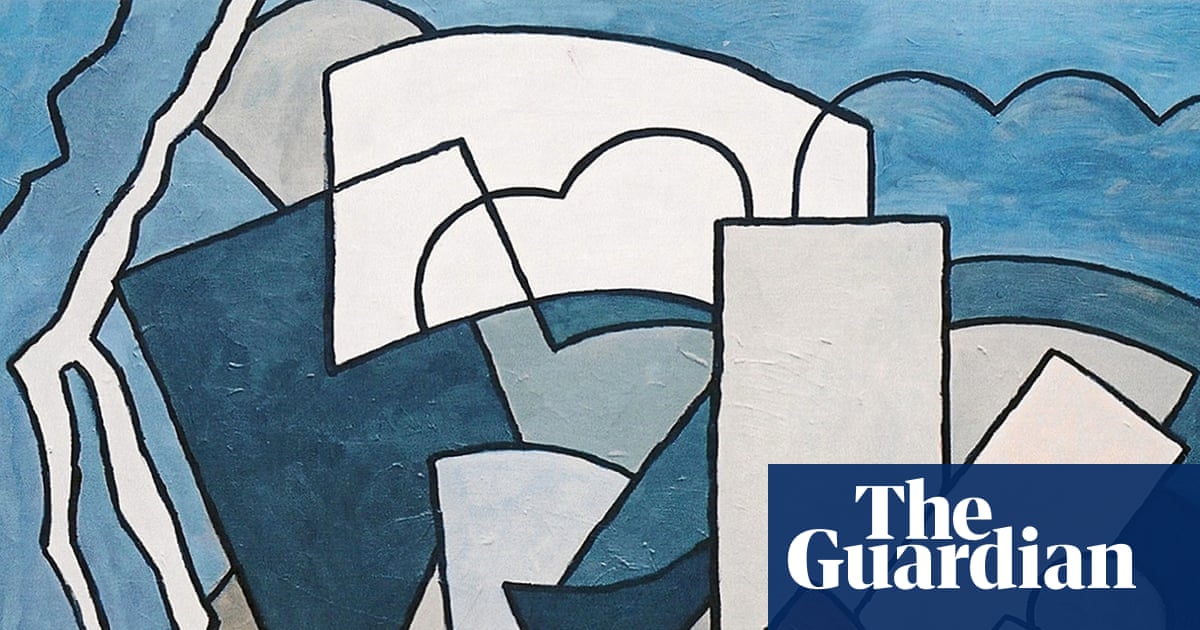
Returning to England in 1979, Heathcote continued to teach, becoming a senior lecturer at Canterbury Christ Church University. He remained a dedicated artist, his own work profoundly influenced by his experiences in Africa. His sculptures, often in bronze and stone, alongside his paintings and collages, reflected a surreal and expressive sensibility. He exhibited his work in London, Paris, and Nigeria, maintaining a connection to the culture that had so deeply impacted his artistic vision.
Heathcote’s dedication to his craft was unwavering. He sketched, drew, or painted every day, even in his final weeks, demonstrating a lifelong commitment to artistic practice. This relentless pursuit of creativity, combined with his scholarly rigor and cultural sensitivity, made him a unique and influential figure.
The Enduring Power of Traditional Arts
The preservation of traditional arts and crafts is increasingly vital in a world dominated by mass production and digital culture. According to a 2023 report by Statista, the global market for handicrafts is projected to reach $688.80 billion by 2028, demonstrating a growing consumer interest in authentic, handmade goods. Heathcote’s work serves as a powerful reminder of the importance of safeguarding these traditions, not only for their aesthetic value but also for the cultural knowledge and skills they embody.
David Heathcote is survived by his wife, Janet, and his three daughters. His legacy extends beyond his artistic creations and academic contributions; it lies in his unwavering commitment to preserving and celebrating the artistic heritage of others. His life serves as an inspiration to artists, educators, and cultural preservationists alike, reminding us of the power of observation, the importance of documentation, and the enduring value of traditional arts.
Further Reading: Explore the British Museum’s African collection here and learn more about Hausa culture on worldys.news’ Africa section.