Dara Rolins & Daughter Lola Duet Stirs Social Media Controversy
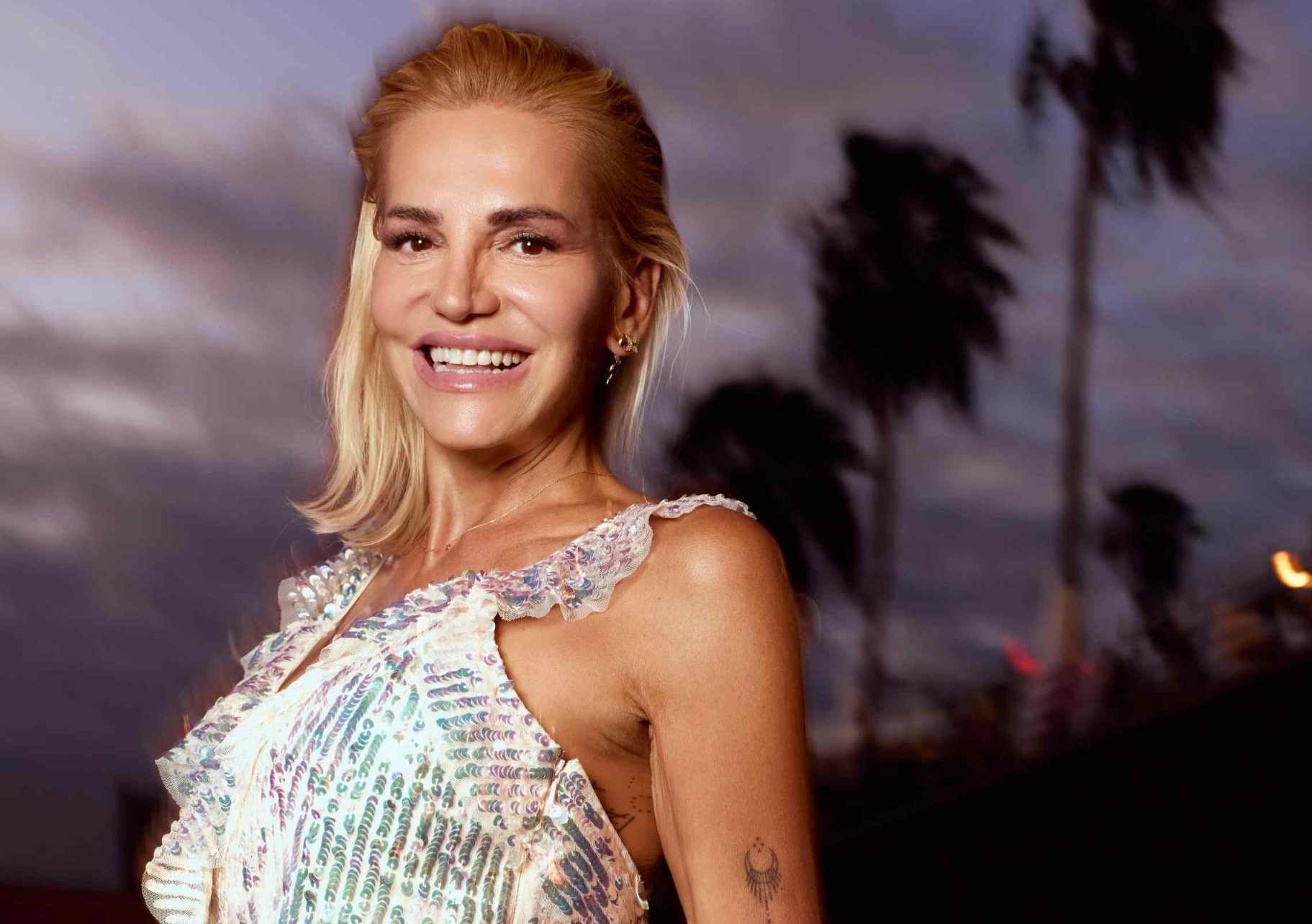
Dara Rolins’ Mother-Daughter Duet Ignites Online Firestorm Over Talent, Image, and “Showbiz Pressure”
BRATISLAVA, Slovakia – June 7, 2024
A surprise mother-daughter performance by Slovak pop icon Dara Rolins and her 17-year-old daughter, Lola Homolová, at a recent concert in Bratislava has spiraled into an intense online debate, exposing the fierce scrutiny faced by celebrities and their offspring in the digital age. What began as a heartfelt moment on stage quickly turned into a battleground of opinions on social media, reigniting conversations about talent, public image, and the ethics of celebrity parenting.
A Night of Spectacle and a Family Surprise
The highly anticipated concert by Dara Rolins at Bratislava’s Ondrej Nepela Arena was billed as a grand spectacle, featuring elaborate costumes, dynamic dancers, and immersive visual effects. Fans were treated to a high-energy show, but the evening’s emotional peak arrived when Rolins, known for hits spanning decades, invited her daughter, Lola Homolová, to join her on stage.
Lola, whose father is Matěj Homola of the band Wohnout, joined her mother for a duet of “Jak chcem ja” from Rolins’ freshly released album, Do neba. It wasn’t the first time the duo had shared a stage; Lola previously performed with her mother at the “Dara Rolins 50” concert in Prague’s O2 arena in 2023, singing “Stále dokola.” The latest performance, however, garnered unexpected and widespread attention after a video was shared by Slovak broadcaster Televízia Markíza across its social media platforms, including Facebook and Instagram, captioned: “Surprise of the evening. Dara also took her daughter Lola to the stage, and they sang together.”
The Swift Backlash: “Cringe” and “Like from a Brothel”
Within hours of Markíza posting the performance video, social media platforms erupted with hundreds of comments, many of them harshly critical. The immediate focus of the backlash centered on Lola’s vocal presence and appearance:
- Vocal Concerns: Numerous commenters claimed Lola’s microphone might have been off or that she was lip-syncing. “Lola’s vocals were barely audible,” one user wrote, while others speculated, “She had her microphone turned off, or it was playback.”
- Appearance Shaming: Lola’s attire drew significant negative remarks. “I don’t know, Dara super dressed, but the daughter is dressed like she came out of a brothel, sorry,” a commenter stated bluntly. Another added, “Like two terrible, one worse than the other.”
- Accusations of Exploitation: Some users accused Rolins of pushing her daughter into the spotlight for personal gain. Comments included, “God, that’s embarrassing,” and “She shows her off as if she wants to sell her.”
- General Disparagement: Broader criticisms included, “More revealing and screaming than singing,” and “Bože, to je trapné” (Oh God, that’s cringey).
The criticism wasn’t limited to Lola, with Rolins herself becoming a target. Commenters suggested, “She no longer has the glory she once had” and made disparaging remarks about her appearance, with one user claiming, “She looks terrible after plastic surgery.” The online discussion on Facebook also featured sarcastic jabs, such as “this is how you make a career for your children.”
A Wave of Support and Proud Motherhood
Despite the initial barrage of negativity, a strong counter-current of support emerged for both Dara and Lola. Fans rallied to defend the pop star’s legacy and her daughter’s debut, highlighting the positive aspects of the performance and the mother-daughter bond.
“Dara is a woman who has worked on herself since she was little. She has my admiration,” one supporter wrote. Others enthusiastically declared, “Dara is queen” and “They look super, Dara is a proud mom, and that’s how it should be.”
Many dismissed the criticism as jealousy. “People, don’t be envious. Dara looks amazing, and her daughter is beautiful. What negative do you want to comment on?” a user questioned. Czech fans, in particular, viewed the performance as a touching family moment. “Beautiful girls, Dara can be proud,” a Facebook follower posted. The singer’s professionalism and courage were also lauded: “Dara is an icon. She works professionally on herself and her work. She deserves admiration,” another comment read.
A recent post from Dara Rolins’ Instagram, celebrating her ongoing tour, including stops like Bratislava. The specific video of her duet with Lola that sparked online debate was widely shared by Televízia Markíza.
The Broader Implications: Online Scrutiny and Young Talent
This incident offers a stark reminder of the intense and often unforgiving nature of online discourse, particularly when directed at public figures and their families. Televízia Markíza, a prominent broadcast institution, played a significant role in disseminating the performance video, inadvertently amplifying both adoration and vitriol.
The controversy around Lola Homolová’s debut reflects a growing global concern over the prevalence of online harassment and aggressive commentary, particularly targeting women and minors in the public sphere, a phenomenon regularly highlighted in digital safety reports worldwide. Whether children of celebrities choose to follow in their parents’ footsteps or are simply present in their lives, they are increasingly subjected to a level of scrutiny that can be both overwhelming and damaging.
This situation also prompts important questions about authenticity in entertainment and the perceived fairness of opportunities. While some see Rolins as a loving mother fostering her daughter’s dreams, others view it as an example of unearned access to the notoriously competitive entertainment industry. For many, the debate isn’t just about a pop concert; it’s a reflection of societal anxieties about merit, appearance, and the ever-present pressure cooker of social media fame.