Cyclist Killed in Dublin: Driver Receives Suspended Sentence
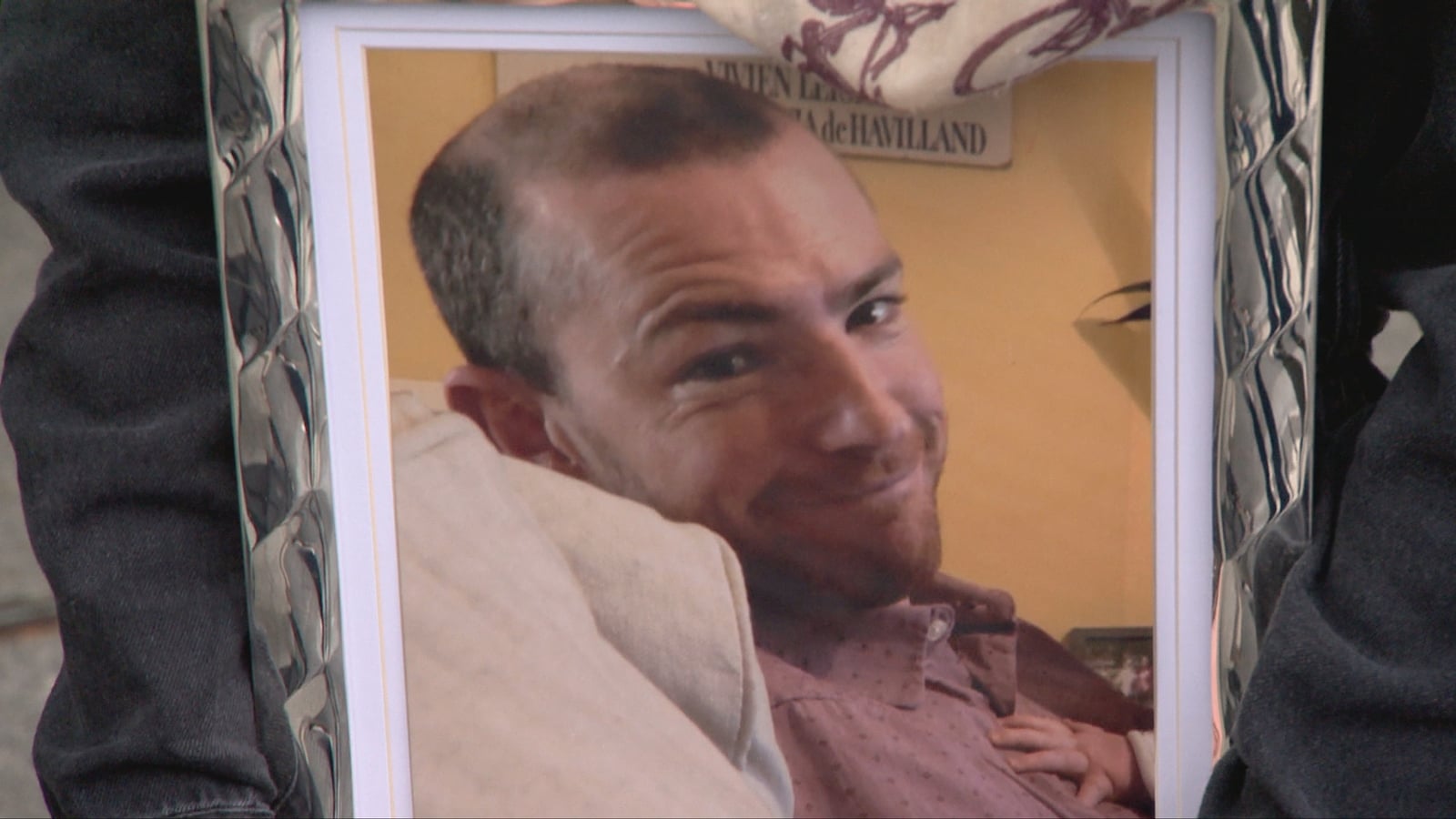
A Life Cut Short: Dublin Cyclist’s Family Finds a Fragile Closure After Driver Pleads Guilty
The grief is still raw, a year after John Walsh, a devoted father, husband, and solicitor, was struck and killed while cycling on the Malahide Road in Dublin. But a sense of closure, however fragile, descended upon his family this week as Marcella Duffy, the 62-year-old driver responsible for his death, pleaded guilty to dangerous driving causing death at Dublin Circuit Criminal Court. Duffy received a fully suspended two-and-a-half-year sentence and a six-year driving ban.
The courtroom was filled with the weight of loss, but also with the quiet strength of Olivia Walsh, John’s wife, who spoke to the media following the proceedings. “It was tragic and sudden, and no words and nothing can ever change how brutal it has been,” she said, her voice laced with pain. Yet, amidst the devastation, she spoke of clinging to the joy and “mischievous grin” her husband brought into their lives, a testament to the enduring power of memory.
The Road Ahead: A Community Mourns a Cycling Advocate
John Walsh wasn’t just a name in a court report; he was a pillar of his community. A solicitor with AIB, he was also a passionate cyclist, captain of the UCD Cycling Club, and, most importantly, a father to three young boys. His death has reverberated through the cycling community in Ireland, sparking renewed calls for safer roads and greater awareness of vulnerable road users.
The incident occurred on February 18th of last year, when Duffy’s car crossed onto the opposite side of the road, colliding with Walsh. The location, the Malahide Road, is a popular route for cyclists, and the tragedy has highlighted the inherent risks faced by those who choose to travel by bike. According to the World Bank, road traffic injuries cause approximately 1.3 million deaths globally each year, with cyclists and pedestrians among the most vulnerable. This statistic underscores the urgent need for improved road safety measures worldwide.
A Sentence Questioned: Judge Cites Lack of Aggravating Factors
The sentence handed down to Duffy has drawn scrutiny, with some questioning whether it adequately reflects the gravity of the offense. Judge Martin Nolan, in suspending the sentence, stated he could not identify any aggravating factors in the case and believed Duffy was unlikely to re-offend. He noted Duffy was driving at 62km/h, slightly above the recently reduced speed limit of 50km/h, which had previously been 60km/h.
“It seems to me for whatever reason, she lost control and allowed her car to stray,” the judge explained, adding that Duffy’s culpability was “on the lower side.” This assessment has sparked debate about the criteria used in determining sentences for dangerous driving offenses, particularly those resulting in fatalities. Legal experts have pointed to the need for a more nuanced approach that considers the vulnerability of the victim and the potential for preventative measures.
The Weight of Loss: A Family’s Victim Impact Statement
The most poignant moments of the court proceedings came with the reading of Olivia Walsh’s victim impact statement. Her words painted a heartbreaking picture of a family shattered by grief. “There are now three very young boys facing essentially their entire lives without their adoring father,” she wrote. “John wanted them so much. He was devoted to them.”
The statement served as a stark reminder of the human cost of road traffic accidents. It wasn’t just about a legal case; it was about the immeasurable loss of a husband, a father, and a beloved member of the community. The Walsh family’s resilience in the face of such profound grief is a testament to the enduring power of love and the importance of cherishing every moment.
Beyond the Courtroom: Calls for Safer Cycling Infrastructure
The tragedy has reignited the debate surrounding cycling infrastructure in Ireland and the need for greater investment in safe cycling routes. Advocacy groups like Irish Cycling Advocacy have long campaigned for segregated cycle lanes, lower speed limits in urban areas, and increased enforcement of road traffic laws.
The European Cyclists’ Federation reports that countries with higher levels of cycling infrastructure investment consistently experience lower rates of cyclist fatalities. This highlights the crucial link between infrastructure and safety. The case of John Walsh serves as a tragic reminder that simply sharing the road is not enough; dedicated, safe spaces for cyclists are essential to protect vulnerable road users and encourage more people to choose sustainable modes of transportation. The family, while seeking a fragile peace, hopes John’s death will not be in vain, and that it will contribute to a future where cyclists can travel safely on Ireland’s roads.