CTA Safety: Federal Funding at Risk After Attacks on Riders
Federal Funding Threatened as Chicago Transit System Faces Mounting Safety Concerns
CHICAGO – The Chicago Transit Authority (CTA) is under intense scrutiny and faces the potential loss of federal funding following a surge in violent incidents that have left riders fearing for their safety. The Federal Transit Administration (FTA) issued a stark warning this week, demanding immediate action to address escalating crime rates and a perceived lack of responsiveness from local leadership.
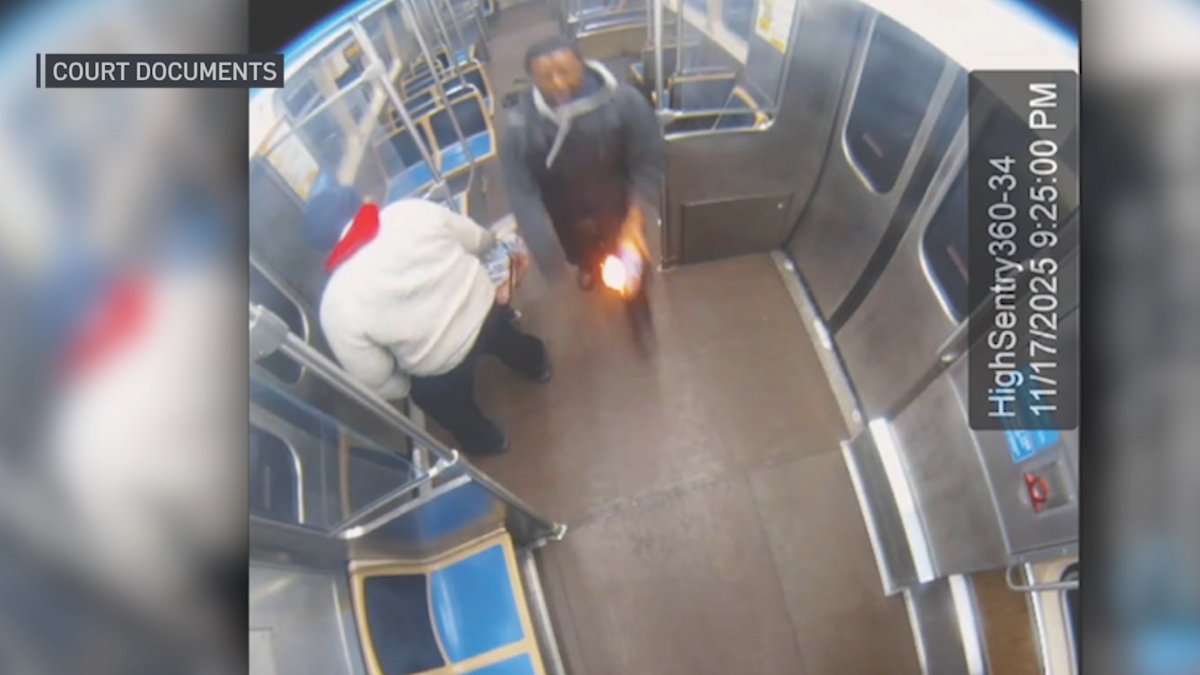
The pressure comes after a series of disturbing events, most notably a November attack where a woman was set ablaze on a Blue Line train in the heart of downtown Chicago. The suspect, now facing federal terrorism charges, was reportedly out on electronic monitoring at the time of the attack, raising questions about the effectiveness of the city’s criminal justice system. This incident, which garnered national attention – even a comment from former President Donald Trump – served as a tipping point for federal intervention.
A System in Crisis: Data Reveals a Decade of Decline
The FTA’s concerns aren’t based on isolated incidents. A letter sent to Illinois Governor J.B. Pritzker and Chicago Mayor Brandon Johnson highlighted alarming trends revealed by the National Transit Database. The data shows that assaults on CTA workers have consistently exceeded the national average for the past decade. More recently, assaults against CTA customers have skyrocketed, increasing by a staggering 150% in the last five years.
“It’s the responsibility of leaders at every level to create a safe system for all riders and workers on transit,” stated Federal Transit Administrator Marc Molinaro. “Chicago’s local leaders have neglected that responsibility – and given Chicago’s crime rate in its transit system, this isn’t an isolated incident.” Molinaro’s message was clear: immediate improvements in law enforcement presence and overall security are required, or federal funds will be withheld.
This threat is significant. According to the American Public Transportation Association, public transportation generates over $328 billion in economic activity annually and supports 2.2 million jobs nationwide. Losing federal funding could cripple the CTA, impacting not only commuters but also the broader Chicago economy.
Beyond the Headlines: The Human Cost of Fear
While the high-profile fire attack understandably dominated headlines, the fear extends to everyday commuters. Janet Luszcki, a CTA bus rider, recounted a frightening experience from September. “Out of nowhere, I had water and a bottle thrown at me on the bus,” she said. “I was in shock. I had no idea what was going on.” Luszcki confronted her alleged assailant, but charges have yet to be filed, and she feels abandoned by the system.
“There were witnesses on the bus. Nobody came to my aid,” Luszcki lamented. Her experience is echoed by many riders who feel vulnerable and unprotected. She also detailed a frustratingly slow police response – officers arrived 300 minutes after the incident, with the suspect still present – and a dismissive attitude from law enforcement, who allegedly characterized the attack as a “she said, she said” situation. Luszcki is now pursuing surveillance footage to build her case, but the ordeal has left her deeply shaken. “I fear for my safety on CTA,” she confessed. “I don’t think the public transit system is safe.”
A Global Perspective: Urban Transit Security Challenges
Chicago’s struggles aren’t unique. Major cities worldwide grapple with ensuring safety on public transportation. According to a United Nations report on Sustainable Development Goal 11, ensuring safe and affordable transportation is crucial for building sustainable and inclusive cities. However, factors like socioeconomic inequality, mental health crises, and inadequate security measures contribute to rising crime rates on transit systems globally.
In London, for example, authorities have increased police presence and invested in advanced surveillance technology to combat crime on the Transport for London network. Similarly, Tokyo’s subway system, renowned for its efficiency and cleanliness, maintains a high level of security through a combination of visible security personnel and sophisticated monitoring systems. These examples demonstrate that proactive measures are essential for maintaining public trust and ensuring the safety of riders.
The Clock is Ticking: CTA’s Response and Future Outlook
The CTA has acknowledged the FTA’s “Special Directive” and pledged to respond within the requested timeline – just over a week – with a comprehensive security enhancement plan. The agency’s statement offered little detail, but officials have indicated they are exploring options such as increasing police patrols, deploying more transit security personnel, and improving surveillance capabilities.
The situation demands more than just reactive measures. A long-term solution requires a multi-faceted approach that addresses the root causes of crime, invests in mental health services, and fosters a stronger sense of community ownership and responsibility. The future of the CTA – and the safety of its riders – hangs in the balance. The coming days will be critical in determining whether Chicago can regain control of its transit system and restore public confidence.