Comey & James Indictments Dismissed: Trump-Appointed Attorney Ruling Explained
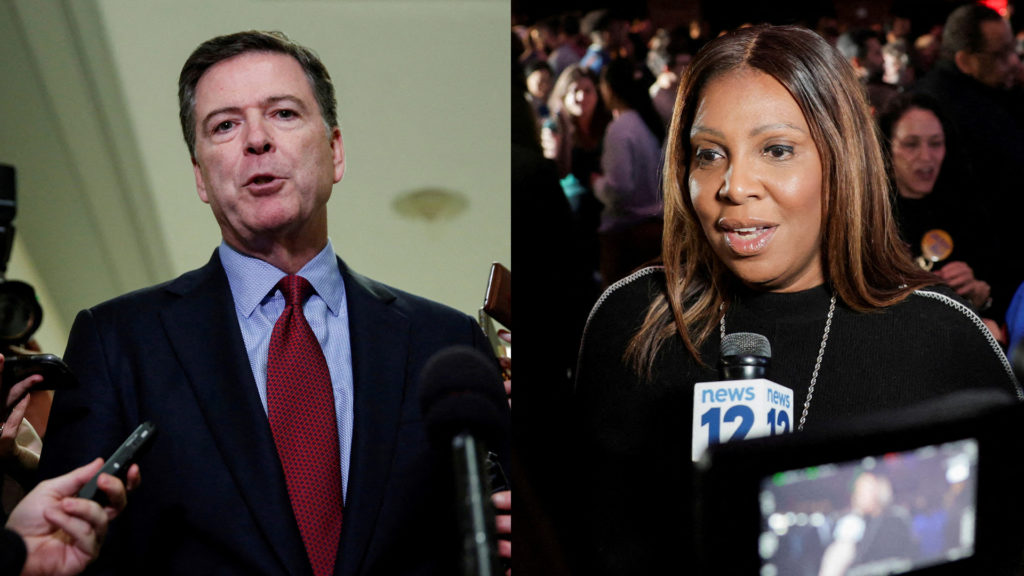
Indictments Against Comey, James Dismissed Amid Scrutiny of Trump-Appointed U.S. Attorney
WASHINGTON – In a stunning legal setback for efforts to pursue criminal charges against prominent figures critical of former President Donald Trump, a federal judge has dismissed the indictments against former FBI Director James Comey and New York Attorney General Letitia James. The rulings, delivered Tuesday by Judge Cameron McGowan Currie, center not on the merits of the cases themselves, but on the legitimacy of the appointment of Lindsey Halligan, the interim U.S. attorney who brought the charges.
A Question of Authority: The Halligan Appointment
The core of the legal challenge revolves around how Halligan was installed in the role. According to court documents and reporting from NPR, Halligan, lacking prior prosecutorial experience, was handpicked by Trump and swiftly appointed by then-Attorney General Pam Bondi. This occurred after a previous U.S. attorney declined to pursue criminal investigations targeting Trump’s political adversaries.
Judge Currie found that Halligan’s appointment was “invalid and unlawful,” effectively nullifying all actions taken under her authority, including the indictments against Comey and James. The judge’s decision underscores the critical importance of adhering to constitutional and legal procedures in the appointment of federal prosecutors, even in interim roles. The U.S. Constitution outlines specific processes for appointing U.S. Attorneys, requiring presidential nomination and Senate confirmation, with provisions for temporary appointments under limited circumstances.
This isn’t simply a procedural matter. The timing and context of these indictments have raised concerns about potential political motivations. As PBS NewsHour reported, the indictments came shortly after Trump publicly called for the prosecution of Comey, James, and Senator Adam Schiff.
Comey and James Respond: Accusations of Political Vendetta
James Comey, who was indicted on charges of allegedly lying to Congress and obstructing a congressional proceeding, expressed both relief and condemnation. “I’m grateful that the court ended the case against me, which was a prosecution based on malevolence and incompetence and a reflection of what the Department of Justice has become under Donald Trump, which is heartbreaking,” Comey stated. He also lauded the “career people” within the Justice Department who resisted what he characterized as a “travesty,” even at personal cost.
Letitia James, facing mortgage fraud charges, similarly dismissed the indictment as “baseless” and reaffirmed her commitment to serving the people of New York. “I remain fearless in the face of these baseless charges as I continue fighting for New Yorkers every single day,” she posted online.
The accusations of political motivation are particularly potent given Trump’s history of publicly attacking those he perceives as enemies. According to a Reuters analysis, Trump currently faces a multitude of legal challenges, ranging from election interference investigations to financial fraud allegations. This pattern has fueled concerns about the politicization of the Justice Department.
The White House Response and Potential Appeals
The Biden administration, through Press Secretary Karoline Leavitt, defended Halligan’s appointment and vowed to appeal the judge’s decision. “I know there was a judge who is clearly trying to shield Letitia James and James Comey from receiving accountability,” Leavitt asserted. “And that’s why they took this unprecedented action to throw away the indictments against these two individuals.”
However, legal experts suggest the path to overturning the ruling will be challenging. As NPR’s national justice correspondent, Carrie Johnson, explained, the Trump administration’s handling of Halligan’s appointment deviated from established legal procedures. The statute of limitations on some of the charges against Comey is also a factor, potentially complicating any attempt to re-indict him.
Looking Ahead: A Lingering Shadow of Political Interference
The dismissal of these indictments doesn’t necessarily mean the end of the story. The Justice Department could attempt to re-indict James, as the statute of limitations on her alleged offenses has not yet expired. Halligan, meanwhile, has been appointed to a new role within the Justice Department as a “special attorney,” raising the possibility of renewed legal efforts.
This case highlights a broader concern about the independence of the Justice Department and the potential for political interference. A 2023 report by the United Nations Development Programme found that public trust in judicial systems globally is declining, with nearly 50% of people worldwide believing that courts are subject to undue influence. This erosion of trust poses a significant threat to the rule of law and democratic institutions.
The legal battles surrounding Comey and James are likely to continue, serving as a stark reminder of the delicate balance between accountability, political considerations, and the integrity of the justice system. The outcome of these cases will have far-reaching implications for the future of law enforcement and the pursuit of justice in a deeply polarized political landscape.