China PMI: Factory Activity Contracts for 8th Month, Services Cool
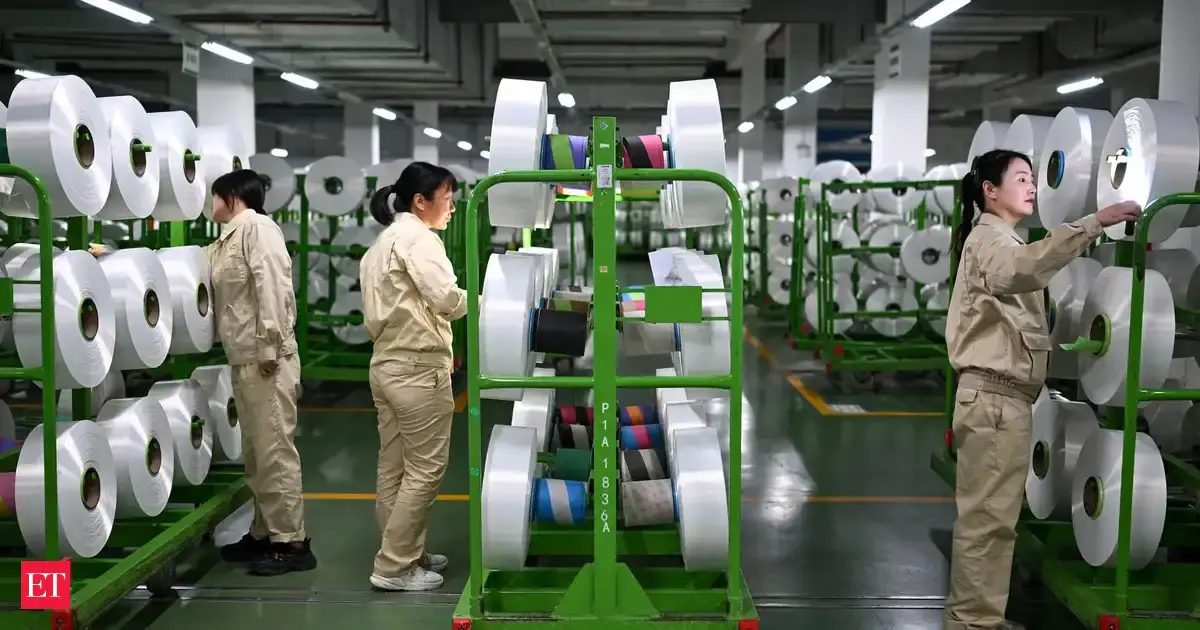
China’s Economic Recovery Stalls as Factory, Services Sectors Contract
BEIJING – China’s economic recovery is facing a critical juncture as both its manufacturing and services sectors contracted in November, according to official data released Sunday. The simultaneous slowdown underscores the complex challenges facing Beijing as it navigates a confluence of domestic structural issues and external headwinds, including a persistent trade dispute with the United States.
Manufacturing Struggles to Regain Footing
The official manufacturing Purchasing Managers’ Index (PMI) edged up slightly to 49.2 in November, from 49.0 in October, but remained below the 50-point threshold that separates expansion from contraction. While in line with analyst expectations, the continued decline signals ongoing difficulties for Chinese manufacturers in sustaining momentum following the initial rebound from COVID-19 lockdowns. Sub-indexes tracking new orders and export orders both showed improvement, but crucially, remained below 50, indicating a lack of robust demand.
The manufacturing sector’s woes are compounded by the ongoing trade tensions with the U.S., which have disrupted supply chains and increased uncertainty for businesses. The tariffs imposed by both countries have added to production costs and dampened export prospects, particularly for key sectors like electronics and machinery. This situation is particularly concerning given that China’s export-oriented growth model has been a cornerstone of its economic success for decades.
Services Sector Hit by Post-Holiday Slump
Adding to the economic concerns, the non-manufacturing PMI, encompassing services and construction, fell to 49.5 in November from 50.1 in October – its first contraction since December 2022. The services PMI, a key indicator of domestic demand, experienced a sharper decline, falling below 50 for the first time since September 2023 and reaching its lowest level since December 2023. This drop is attributed to the waning impact of the October holiday spending, revealing a fragility in consumer confidence and spending habits.
This slowdown in the services sector is particularly worrying as it suggests that the post-pandemic recovery in domestic consumption is losing steam. China had hoped that a rebound in services, fueled by pent-up demand, would offset the weakness in the manufacturing sector. However, the latest data indicates that this is not happening, raising concerns about the overall health of the economy.
Policy Dilemma: Reform vs. Stimulus
The dual contraction in manufacturing and services presents a significant dilemma for Chinese policymakers. For years, Beijing has relied on two primary tools to stimulate growth: boosting exports through industrial production and launching large-scale, state-funded infrastructure projects. However, both of these levers are becoming less effective. A global economic slowdown is dampening external demand, while a protracted property crisis and mounting local government debt are hindering the effectiveness of infrastructure spending.
Local governments, many of which control economies comparable in size to smaller nations, are increasingly burdened by debt, limiting their ability to invest in new projects. According to the International Monetary Fund (IMF), China’s total government debt – including central and local levels – reached approximately 77.1% of GDP in 2023, a significant increase from previous years. This debt overhang is a major constraint on future growth.
Focus Shifts to Structural Reforms
As a result, policymakers are increasingly focusing on the need for structural reforms to address long-standing imbalances in the Chinese economy. These reforms include efforts to boost household consumption, correct supply-demand mismatches, and tackle the issue of local government debt. On Wednesday, China unveiled a new plan to stimulate consumption, targeting upgrades of consumer goods in rural areas and niche sectors like pet supplies, anime, and trendy toys. However, officials acknowledge that these changes will be painful and carry political risks, particularly in the context of ongoing trade tensions with the U.S.
The third quarter saw China’s economic growth slow to its weakest pace in a year, highlighting the economy’s vulnerability to external shocks. The situation demands a delicate balancing act: implementing necessary reforms while avoiding measures that could further destabilize the economy or exacerbate social tensions. The path forward for China’s economy remains uncertain, but the latest data underscores the urgency of addressing its underlying structural challenges.
The coming months will be crucial in determining whether Beijing can successfully navigate this complex economic landscape and reignite sustainable growth. The private-sector RatingDog PMI, forecast to come in at 50.5, will be closely watched as an additional indicator of the health of the Chinese economy.