China-Japan Row & Asia News: Taiwan, India Pollution, China Boot Camps
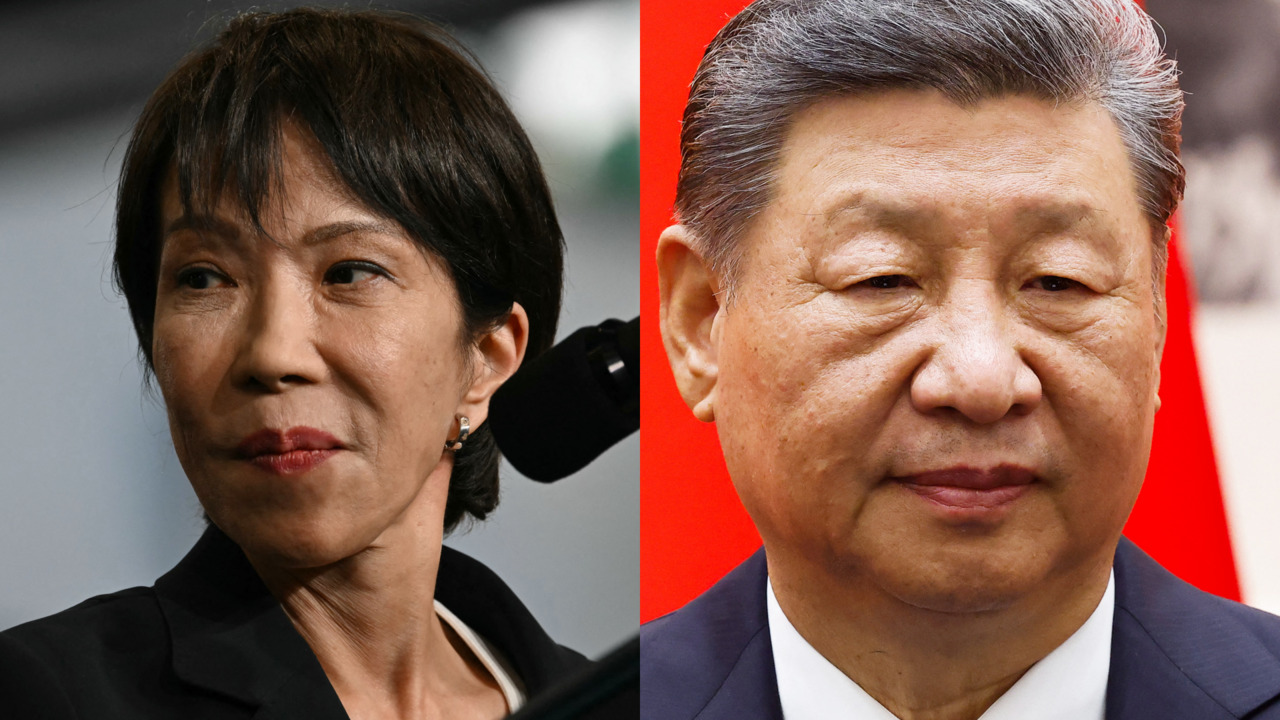
Rising Tensions in East Asia: Japan’s Taiwan Stance Fuels China Dispute, While India Chokes and China Disciplines its Youth
The delicate balance of power in East Asia is facing renewed strain as a diplomatic spat between China and Japan escalates. The friction, sparked by comments regarding potential Japanese military intervention in a conflict over Taiwan, is unfolding against a backdrop of increasingly assertive Chinese foreign policy and growing anxieties about regional stability. Simultaneously, a severe air pollution crisis grips India, while a unique approach to digital wellbeing is being tested in Chinese schools. These seemingly disparate events reveal a world grappling with complex challenges – from geopolitical maneuvering to environmental degradation and the impact of technology on future generations.
A Military Red Line Drawn?
The current dispute was ignited earlier this month when Japanese Prime Minister Sanae Takaichi suggested that Japan could consider a military response if China were to attack Taiwan. This statement, while framed as a hypothetical scenario, was immediately met with condemnation from Beijing. China views Taiwan as a renegade province and has repeatedly stated its intention to reunify the island with the mainland, by force if necessary.
The response from China has been swift and multifaceted. Flights to Japan have been cancelled, concerts scrapped, and, significantly, imports of Japanese seafood have been banned – a move that echoes previous trade disputes and carries a substantial economic impact. This isn’t simply about Taiwan; it’s about China’s assertion of its regional dominance and its intolerance of perceived interference in what it considers its internal affairs.
Breathing is a Battle: India’s Air Quality Crisis
Thousands of miles away, in India, a different kind of crisis is unfolding. Air pollution in the capital, New Delhi, has reached hazardous levels, forcing school closures and prompting widespread protests. Residents are voicing their frustration with what they see as a lack of effective government action. The situation is particularly acute during the winter months, exacerbated by factors like crop burning, vehicle emissions, and industrial activity.
The health consequences are dire. According to the World Health Organization, air pollution contributes to an estimated 7 million premature deaths globally each year. In India, this figure is particularly alarming, with a recent report suggesting that residents in some of the most polluted areas could lose up to nine years of life expectancy. This isn’t just an environmental issue; it’s a public health emergency with profound social and economic implications.
Digital Detox: China’s Boot Camps for Kids
Meanwhile, in China, authorities are tackling a different challenge: excessive screen time among children. Reports are emerging of military-style boot camps designed to wean youngsters off their phones and computers. These camps, often run by private companies with government backing, employ rigorous physical training and psychological techniques to address what is seen as a growing addiction to digital devices.
This initiative reflects broader concerns about the impact of technology on youth development. China has already implemented strict regulations on online gaming and social media use for minors, limiting playtime and requiring real-name registration. The boot camps represent a more drastic approach, raising questions about the balance between parental control, individual freedom, and the role of the state in shaping children’s behavior. A 2023 Statista report indicates that China has over 1.079 billion internet users, highlighting the scale of the challenge.
A World on Edge
These three stories, though geographically distinct, are interconnected by a common thread: a world grappling with uncertainty and change. The escalating tensions in East Asia underscore the fragility of regional peace and the potential for miscalculation. The air pollution crisis in India serves as a stark reminder of the environmental challenges facing the developing world. And China’s approach to digital wellbeing raises fundamental questions about the future of childhood in the age of technology.
The global community must address these issues with a sense of urgency and a commitment to cooperation. Ignoring these warning signs will only exacerbate the risks and undermine the prospects for a more stable and sustainable future. The world is watching, and the stakes are higher than ever.