China-Japan Relations: Youth Exchanges Frozen Over Taiwan Dispute
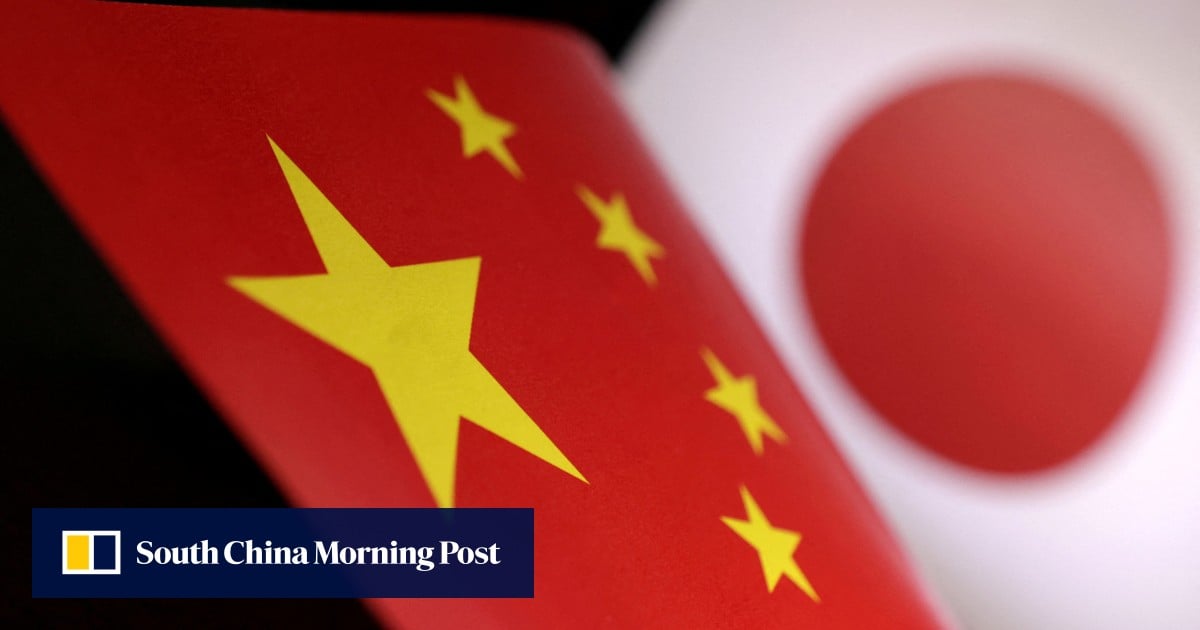
Youth Exchanges Halted as China-Japan Tensions Escalate Over Taiwan
BEIJING – A generation of potential bridges between China and Japan may be lost as Beijing has frozen all youth exchange programs with Tokyo, the latest escalation in a diplomatic standoff triggered by Japanese Prime Minister Sanae Takaichi’s comments regarding Taiwan. The move, confirmed by a diplomatic source, signals a deepening chill in relations between the two East Asian powers and raises concerns about the long-term impact on people-to-people diplomacy.
A Diplomatic Freeze with Far-Reaching Consequences
The cancellation of these programs, traditionally held during the November-December period, represents a significant symbolic blow. These exchanges, fostering understanding and collaboration between young people from both nations, have been a cornerstone of efforts to manage the historically complex China-Japan relationship. The decision to halt them isn’t simply a bureaucratic adjustment; it’s a deliberate act of pressure designed to force a retraction from Takaichi.
The core of the dispute lies in Takaichi’s November 7th remarks, where she suggested that Japan could potentially deploy military forces in the event of a conflict across the Taiwan Strait. Beijing views Taiwan as a renegade province and has consistently warned against any external interference in what it considers an internal matter. Takaichi has steadfastly refused to walk back her comments, further inflaming tensions.
“This isn’t just about words anymore,” explains Dr. Li Wei, a specialist in Sino-Japanese relations at the Chinese Academy of Social Sciences. “It’s about perceived threats to China’s core interests. The youth exchanges were seen as a gesture of goodwill, but that goodwill is contingent on respect for China’s position on Taiwan.”
Beyond Exchanges: A Broadening Pattern of Retaliation
The suspension of youth programs is just one facet of a broader retaliatory campaign launched by Beijing. In recent weeks, China has issued a travel warning advising its citizens to avoid Japan, citing a purported “significant surge” in assaults against Chinese nationals. This warning, while raising legitimate safety concerns for travelers, is widely viewed as a politically motivated move to deter tourism and further pressure Tokyo.
Chinese students considering studying in Japan have also been urged to reconsider their plans. Japan remains a popular destination for Chinese students, with approximately 121,000 Chinese students enrolled in Japanese universities and language schools in 2023, according to the Japan Student Services Organization. A decline in this number would not only impact Japan’s educational sector but also diminish a vital channel for cultural exchange.
The economic implications are also beginning to surface. While direct trade sanctions haven’t been implemented, analysts note a slowdown in certain areas of investment and cooperation. The World Bank reports that China is Japan’s largest trading partner, accounting for roughly 20% of Japan’s total trade volume in 2022. Disruptions to this relationship could have ripple effects throughout the regional and global economy.
The Taiwan Factor: A Deepening Divide
The Taiwan issue remains the central sticking point. China’s increasingly assertive stance towards Taiwan, coupled with growing US support for the island, has heightened regional anxieties. Takaichi’s comments, while framed as a hypothetical response to a potential conflict, were interpreted by Beijing as a tacit endorsement of Taiwan’s independence aspirations.
“The problem isn’t just the possibility of Japanese military intervention,” says Bonnie Glaser, Director of the Asia Program at the German Marshall Fund of the United States. “It’s the signal it sends to Taiwan – that Japan is willing to come to its defense. China views this as a dangerous escalation and a violation of its ‘One China’ policy.”
A Generational Impact: Lost Opportunities for Understanding
The cancellation of youth exchange programs carries a particularly poignant weight. These programs aren’t merely about academic or cultural enrichment; they’re about building personal connections and fostering empathy. By denying a generation of young people the opportunity to interact with their counterparts from the other side, both countries risk perpetuating stereotypes and reinforcing existing animosities.
According to a 2023 Pew Research Center survey, only 22% of Japanese people have a favorable view of China, while 30% of Chinese people have a favorable view of Japan. These numbers highlight the existing levels of distrust and underscore the importance of initiatives aimed at improving mutual understanding.
The future of China-Japan relations remains uncertain. Whether Takaichi will eventually yield to pressure and issue a retraction, or whether Beijing will continue to escalate its response, remains to be seen. But one thing is clear: the current trajectory is deeply concerning, and the long-term consequences could be felt for generations to come. The suspension of youth exchanges is a stark reminder that diplomacy, even in its most subtle forms, is essential for maintaining peace and stability in a volatile region.