China AI Chips: Huawei & Cambricon Approved, Nvidia Excluded
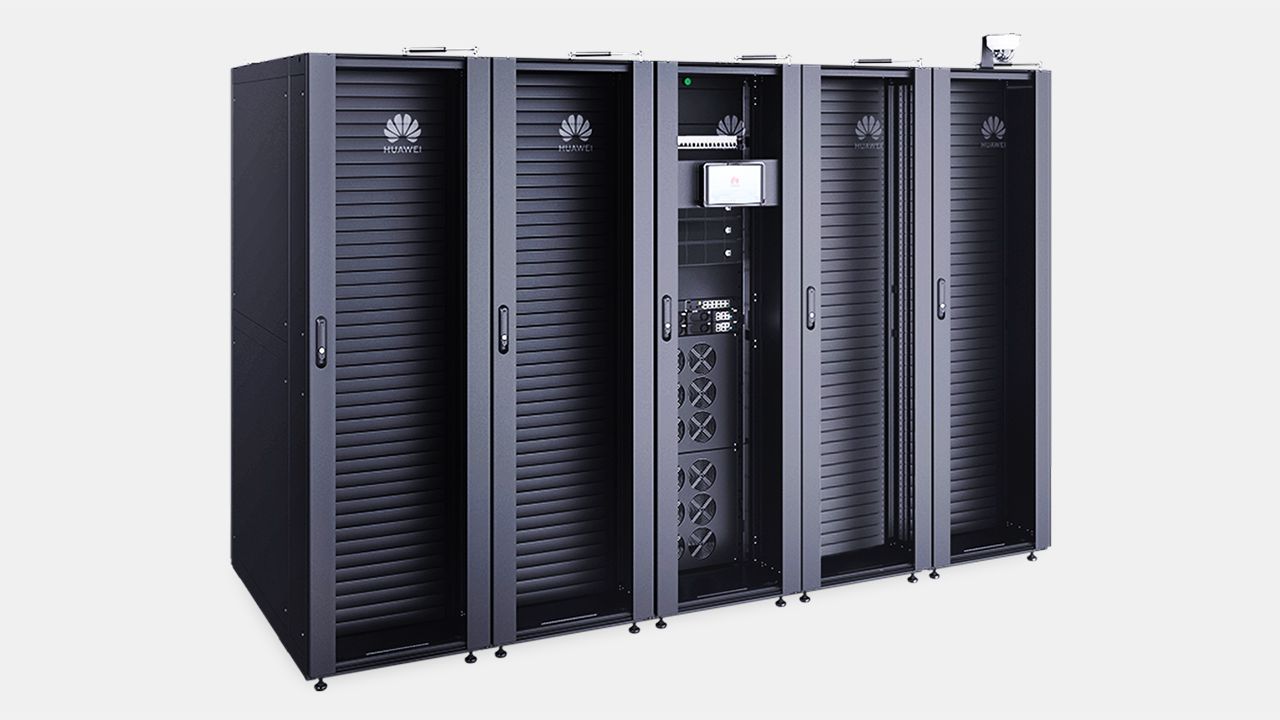
China Pushes for Domestic AI Chip Dominance, Challenging US Tech Leadership
BEIJING – China is accelerating its efforts to reduce reliance on American technology in the critical artificial intelligence sector, unveiling a government-approved list of domestic hardware suppliers prioritized for use within state-controlled entities. The move, reported by the Financial Times, signals a deepening commitment to semiconductor self-sufficiency and a potential reshaping of the global AI supply chain.
Strategic Procurement Shifts Favor Local Manufacturers
Currently, the list includes only two companies: Cambricon and Huawei. This deliberate exclusion of US giants like AMD and Nvidia isn’t merely about technological preference; it’s a clear political statement, particularly in light of recent US policy shifts regarding exports to China. The Biden administration has been navigating a complex path, attempting to balance national security concerns with the economic realities of a massive market like China. The recent easing of some restrictions on Nvidia’s H200 processor sales, while significant, appears to be viewed with skepticism by Beijing, fueling the drive for indigenous alternatives.
The new procurement policy expands China’s “Xinchuang” program – initially focused on replacing foreign CPUs and operating systems like Microsoft Windows – to now encompass AI processors. This is a high-stakes game, as government spending represents a substantial portion of the Chinese economy. Billions of dollars annually flow through ministries, state-owned enterprises, and public institutions, and directing that capital towards domestic AI chipmakers could provide a crucial lifeline for their growth and innovation.
A Balancing Act: Performance vs. Self-Reliance
While the policy aims to bolster China’s AI capabilities, it presents a significant challenge. Currently, Nvidia remains the undisputed leader in AI hardware, offering superior performance and a mature software ecosystem – CUDA – that many Chinese companies have deeply integrated into their workflows. Migrating away from CUDA is a complex and costly undertaking. According to data from Statista, Nvidia currently controls approximately 70% of the discrete GPU market used for AI training and inference, a dominance that won’t be easily challenged.
However, the long-term benefits of establishing a domestic AI ecosystem are compelling for China. Control over the underlying technology allows for the development of unique standards, potentially fostering innovation and reducing dependence on foreign powers. This is particularly crucial given the geopolitical tensions and the risk of future export controls. The Chinese government recognizes this trade-off and is actively incentivizing the adoption of domestic hardware.
Energy Subsidies and Manufacturing Constraints
To address the performance gap, China is offering substantial energy subsidies to cloud providers that utilize domestically produced AI accelerators. Operators of large-scale data centers can now receive a 50% discount on electricity costs, effectively offsetting the lower power efficiency of Chinese chips compared to Nvidia’s offerings. This is a significant financial incentive, designed to encourage wider adoption and accelerate the development of a competitive domestic AI industry.
Despite these efforts, a major bottleneck remains: manufacturing capacity. Currently, SMIC is the only Chinese chipmaker capable of producing chips approaching the complexity of those manufactured by Taiwan’s TSMC. However, SMIC’s capacity is operating at 95.8%, and its ability to expand is severely constrained by US and Dutch sanctions that limit access to advanced fabrication tools. Huawei is reportedly planning to build its own fabrication facility, relying on domestically sourced equipment, but the timeline for its completion remains uncertain. This manufacturing constraint poses a significant hurdle to China’s ambitions.
Implications for Global Tech and Investment
This push for self-reliance has far-reaching implications for the global technology landscape. It could lead to a fragmentation of the AI ecosystem, with distinct standards and supply chains emerging. For US companies like Nvidia and AMD, it represents a potential loss of access to a massive market, although some continued sales through cloud providers may mitigate this impact. Investors will be closely watching how China navigates these challenges and whether it can successfully overcome its manufacturing limitations to achieve its goal of AI chip dominance. The World Trade Organization (WTO) has previously ruled in favor of the US in disputes with China regarding intellectual property, and further trade friction is likely as China prioritizes domestic production.
The success of this strategy will not only determine China’s position in the global AI race but also reshape the future of technological innovation and geopolitical power dynamics.