Childhood Obesity: Alarming Rise & Call for Action
Childhood Obesity Rates Surge, Raising Alarm Among Doctors
Amsterdam, Netherlands – A wave of concern is sweeping through the Dutch medical community as pediatricians report a significant and alarming rise in childhood obesity, coupled with a surge in related health complications. Doctors at three major hospitals – in Amsterdam, Rotterdam, and Den Bosch – are witnessing a dramatic increase in the number of children presenting with severe obesity, and a corresponding strain on healthcare resources.
A Doubling of Waiting Lists and a Fivefold Increase in Medication Use
The situation is not merely a statistical uptick; it’s a crisis unfolding in hospital waiting rooms and treatment plans. Waiting lists for obesity clinics have doubled, and the use of medication to treat obesity in children has increased fivefold, according to doctors on the front lines.
Nearly 400,000 children in the Netherlands are currently classified as overweight, with approximately 100,000 diagnosed with obesity. This isn’t simply a matter of weight; these children are increasingly facing serious health consequences, including joint problems and type 2 diabetes.
The Silent Threat of Liver Disease
Perhaps most concerning is the growing prevalence of non-alcoholic fatty liver disease (NAFLD) among obese children. Approximately one-third of children presenting at obesity clinics are already showing signs of liver damage.
“It’s very serious, because the liver can be destroyed by this,” explains Dr. Felix Kreier, a pediatrician and researcher specializing in obesity at OLVG Hospital in Amsterdam. “It can also lead to liver cancer.”
NAFLD occurs when the liver accumulates excessive fat, impairing its ability to function properly. “The liver is overwhelmed by the amount of fat in the body and becomes ill,” Dr. Kreier explains. “This impacts its ability to cleanse the blood and produce essential proteins.”
The “Hamster Brain” and the Power of Temptation
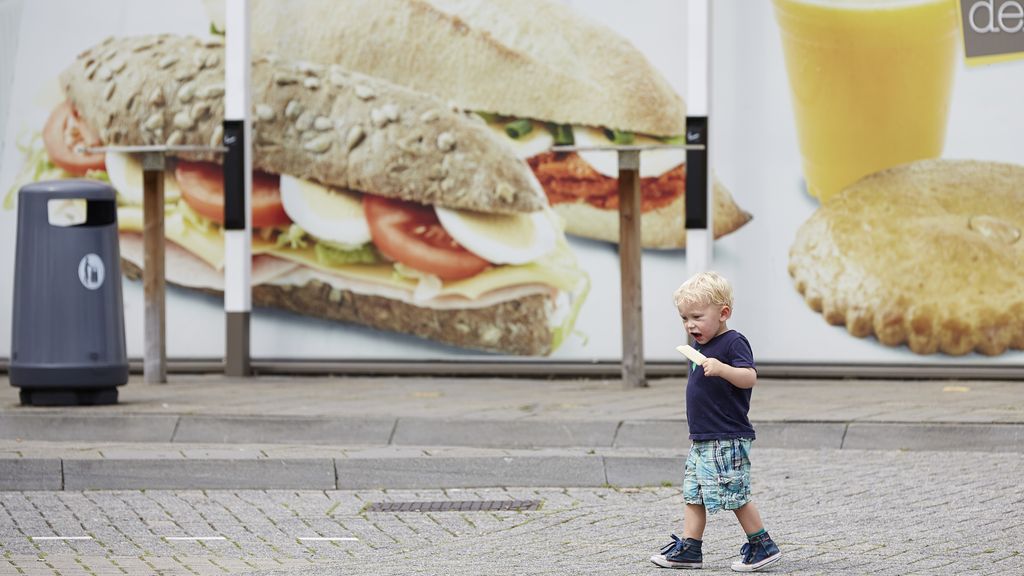
Doctors are increasingly recognizing the powerful influence of modern marketing and social media on children’s eating habits. Parents, while often committed to healthy lifestyles for their children, are battling an environment saturated with advertising and persuasive messaging.
Dr. Kreier describes a primal “hamster brain” within all of us, driven by a deep-seated fear of starvation. “This brain is constantly searching for food,” he says. “So, if a child sees a cheeseburger on social media, that ‘hamster’ thinks about it all day long.”
This instinctual drive, coupled with the relentless bombardment of tempting images and advertisements, makes children particularly vulnerable to unhealthy food choices.
Calls for Urgent Action and Stricter Regulations
The Dutch Association for Pediatrics (NVK) and De Gezonde Generatie, a coalition of health funds, are urgently calling for a robust prevention policy, with a particular focus on banning advertising of unhealthy foods and drinks targeted at children. Legislation to address this issue has been under discussion since 2022, but has yet to be enacted.
Dr. Kreier warns that the current situation represents a large-scale experiment with potentially devastating consequences. “We are delivering a generation that has been overweight as children. It’s frightening, because we are conducting a large experiment as a society.”
He also expresses concern about the healthcare system’s capacity to cope with the anticipated increase in obesity-related illnesses in adulthood. “We don’t yet know how the healthcare system will manage this. We have major concerns about that.”
The rising rates of childhood obesity are not just a health crisis; they are a societal challenge demanding immediate and comprehensive action. The future health and well-being of an entire generation hang in the balance.