Charlie Kirk’s Death Failed to Ignite MAGA—and Now It’s Imploding
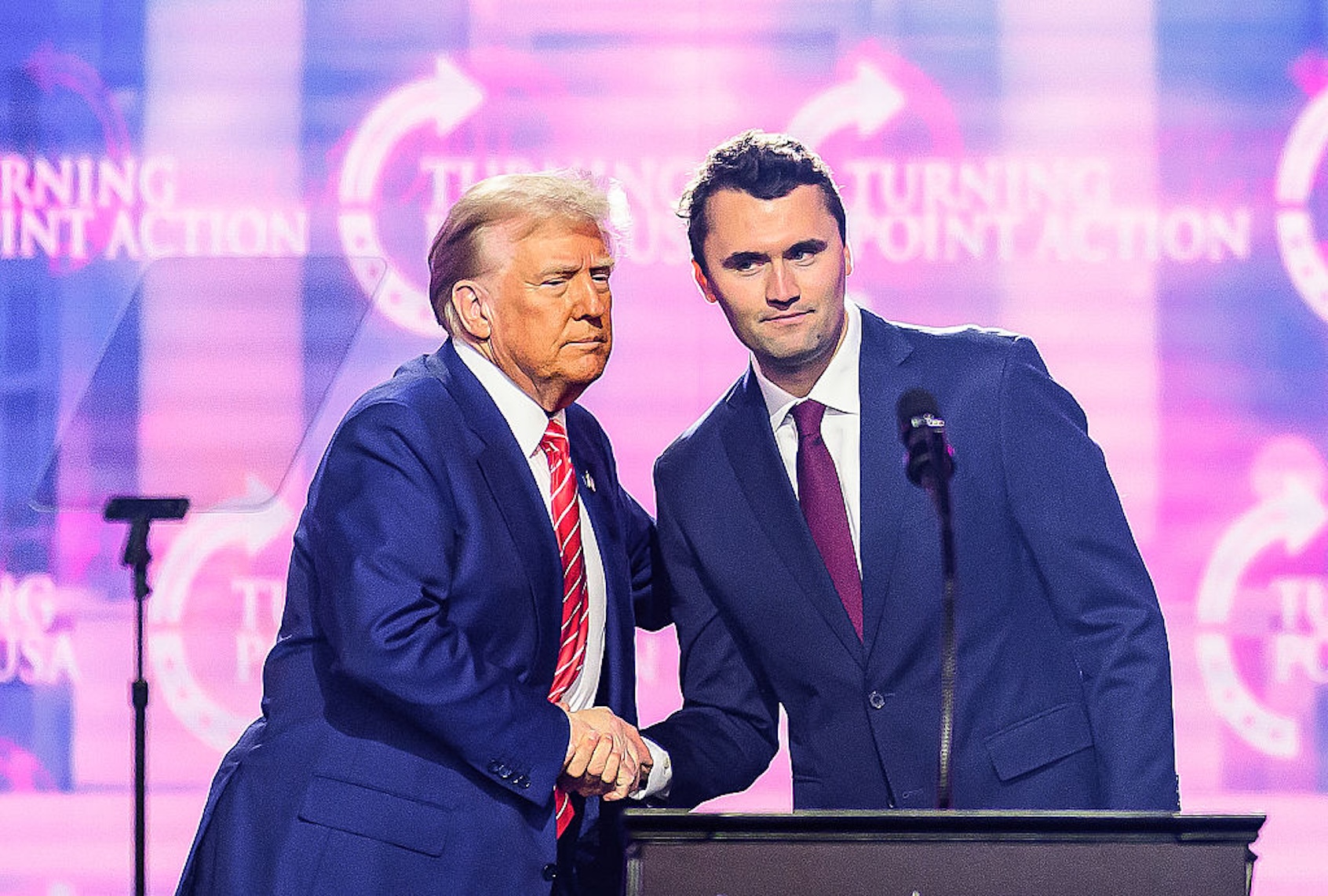
Fractured Right: Charlie Kirk’s Death Unleashes Infighting and a Rise in Extremism Within the MAGA Movement
The assassination of Charlie Kirk, founder of Turning Point USA, on September 10th, initially appeared poised to galvanize the MAGA movement. Figures like former President Donald Trump quickly framed Kirk as a “martyr,” predicting a surge in support and a renewed offensive against the left. But two months later, that predicted wave hasn’t materialized. Instead, Kirk’s death has exposed deep fissures within the right wing, unleashing a chaotic scramble for power and, alarmingly, providing oxygen to extremist ideologies.
The Martyrdom That Wasn’t
The immediate aftermath of the shooting saw a flurry of accusations and retaliatory actions. Conservatives targeted individuals perceived as critical of Kirk, leading to firings and harassment. This reached a fever pitch with attempts to oust Jimmy Kimmel from ABC after a joke deemed insensitive by some. However, a significant public backlash against that effort – and the broader campaign to silence dissent – quickly stalled the momentum. As Russell Payne reported for Salon in October, many of the groups formed to “avenge” Kirk have already begun to dissolve.
Perhaps more telling, Trump’s approval ratings have actually declined since the shooting, hitting a new low during his second term. This suggests that Kirk’s death, rather than uniting the right, has failed to inspire a broader base of support. The initial fervor proved to be largely performative, lacking the staying power to translate into tangible political gains.
A Power Vacuum and the Rise of Infighting
The real story unfolding isn’t one of unified resolve, but of brutal internal competition. With Kirk gone, a power vacuum emerged, and prominent right-wing figures are aggressively vying to fill it. Tucker Carlson, Candace Owens, and Ben Shapiro are engaged in increasingly public and acrimonious disputes, trading accusations of conspiracy and, in some cases, outright antisemitism. The surface issue is disagreement over U.S. support for Israel, but the underlying driver is ambition – a ruthless pursuit of followers and influence within the MAGA media ecosystem.
This infighting is particularly concerning given the broader political climate. According to a Pew Research Center study released in December 2023, political polarization in the United States is at its highest point in decades, with 82% of Americans saying there are major differences in the core values of Democrats and Republicans. This heightened polarization creates a fertile ground for extremist ideologies to take root and flourish.
The Unintended Legacy: A Platform for Extremism
Kirk, while controversial, often served as a gatekeeper, subtly discouraging overtly extremist rhetoric within the MAGA movement. He was a frequent target of Nick Fuentes, a far-right influencer known for his open admiration of Hitler. Fuentes viewed Kirk as an obstacle to his vision of a truly fascist MAGA. Now, with Kirk removed from the equation, Fuentes’ star is rapidly rising. His recent interview with Carlson – justified by Carlson as simply acknowledging Fuentes’ popularity – sparked widespread condemnation, including from Shapiro and Senator Ted Cruz.
This normalization of extremist figures is deeply troubling. The Anti-Defamation League identifies Fuentes as a leading voice in the white supremacist movement, and his ideology poses a direct threat to democratic values. His influence is expanding, and his ideas are increasingly finding receptive audiences within the right wing.
From Rhetoric to Policy: A Dangerous Trajectory
The shift towards extremism isn’t confined to online spaces and media personalities. It’s beginning to seep into government policy. Reports have emerged of a White House lawyer with “Nazi sympathies” working to protect accused sex trafficker Andrew Tate, as exposed by ProPublica. Furthermore, the Washington Post reported that, under Homeland Security Secretary Kristi Noem, the Coast Guard is considering removing swastikas and nooses from the list of hate symbols. These actions signal a disturbing willingness to tolerate, and even embrace, extremist ideologies within the highest levels of government.
The competition between Shapiro and Owens further illustrates this dangerous trend. Owens, fired from the Daily Wire for her flirtation with antisemitism, has surpassed Shapiro in podcast rankings by rapidly gaining listeners and YouTube views. She’s fueling a conspiracy theory alleging that the Israeli government orchestrated Kirk’s murder, and even questioning the integrity of his widow, Erika Kirk. This rhetoric is resonating with a disturbingly large number of Republican voters, as revealed by a recent episode of the “Focus Group” podcast, where participants echoed these claims.
Charlie Kirk’s death, intended to be a rallying cry, has instead become a catalyst for chaos and extremism. The MAGA movement, once held together by Kirk’s – and Trump’s – somewhat paradoxical ability to manage disparate factions, is now fracturing along ideological lines, creating an opening for dangerous voices to gain prominence. The implications for American democracy are profound, and the coming months will be critical in determining whether the right wing can pull itself back from the brink.