César Duarte: Ex-Governor Back in Jail on Money Laundering Charges
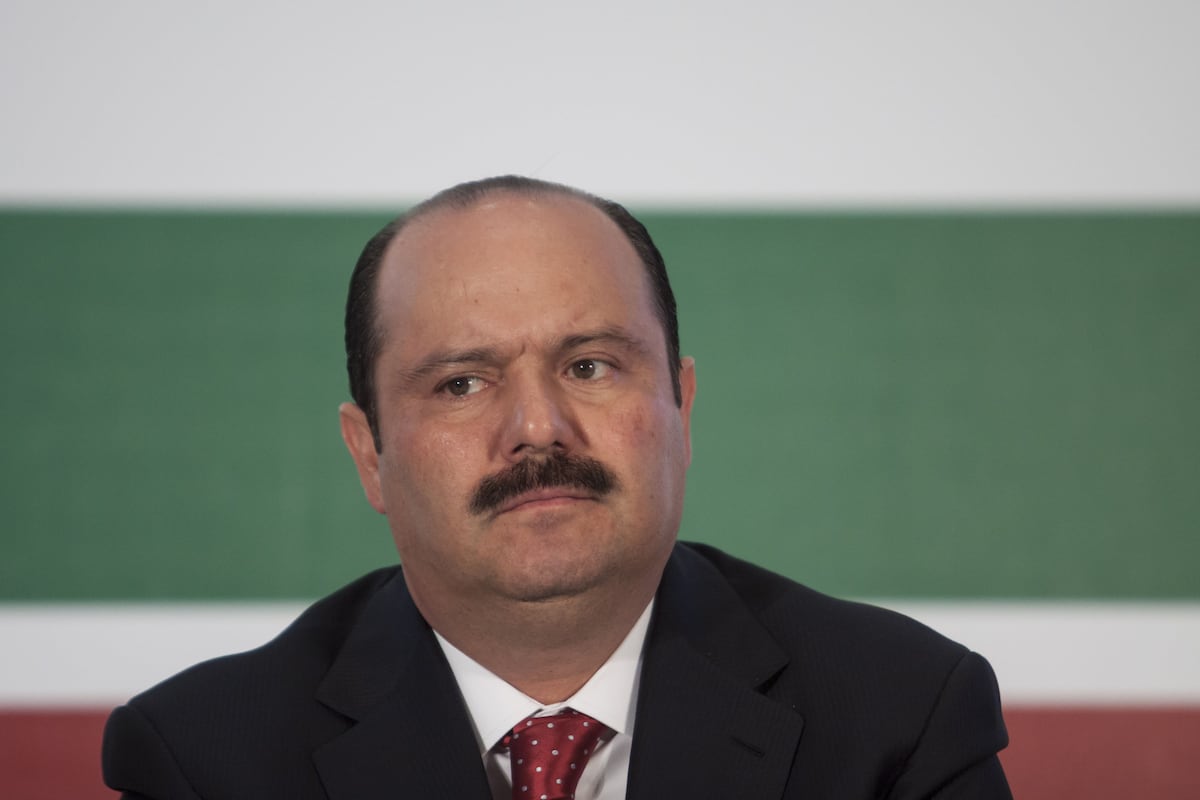
Former Mexican Governor César Duarte Returns to Prison Amidst Corruption Crackdown
Chihuahua, Mexico – Former Governor of Chihuahua, César Duarte, is back behind bars, facing new accusations of money laundering, marking a significant development in a long-running saga of alleged corruption. Duarte, who governed the state from 2010 to 2016, was extradited from the United States in 2022 on initial charges of embezzlement and criminal association.
The recent arrest follows the appointment of Ernestina Godoy as Mexico’s Attorney General, a move that appears to have accelerated investigations into Duarte’s alleged financial misconduct. Sources within the federal government indicate that securing approval from the U.S. for the additional money laundering charges was a key priority.
“This sends a clear message that impunity will not be tolerated,” stated a senior official within the Attorney General’s office, speaking on condition of anonymity. “We are committed to pursuing all avenues of justice in cases of alleged corruption, regardless of the individual’s position or political affiliation.”
A History of Allegations and Legal Maneuvering
Duarte’s case has been marked by a complex series of legal battles and shifting political winds. Initially facing charges in Chihuahua state, he enjoyed periods of freedom citing health concerns. He frequently used social media to portray a carefree lifestyle, seemingly defying the gravity of the accusations against him.
The former governor is accused of diverting over 6 billion pesos (approximately $315 million USD) during his tenure. Allegations include the misuse of funds for personal enrichment, including the acquisition of properties in Mexico and the United States, and the construction of unauthorized infrastructure projects.
The investigation gained renewed momentum after Andrés Manuel López Obrador, the former President of Mexico, publicly criticized the administration of Maru Campos, the current Governor of Chihuahua, for allegedly shielding Duarte from prosecution. López Obrador claimed that Campos’s administration was creating a “path to impunity” for the former governor.
Operation Safiro and the ‘Secret Payroll’
Duarte’s alleged corruption extends beyond simple embezzlement. He is implicated in “Operation Safiro,” a scheme allegedly used to divert resources to finance electoral campaigns for the PRI party. He is also accused of maintaining a “secret payroll” used to bribe politicians, journalists, and union leaders.
According to investigative reports, Duarte allegedly paid approximately 10 million pesos (around $530,000 USD) in bribes to a local PAN party deputy, Maru Campos, while she served as a local legislator.
The scale of alleged corruption under Duarte’s leadership highlights a broader issue of systemic corruption within the PRI party during the era of former President Enrique Peña Nieto. Mexico’s National Institute of Transparency, Access to Information and Protection of Personal Data (INAI) estimates that corruption costs Mexico approximately 5% of its GDP annually – a figure that underscores the urgent need for greater accountability and transparency.
The Role of U.S. Cooperation
Securing the U.S. government’s approval to pursue the money laundering charges was crucial. The extradition treaty between the two countries requires that any new charges be distinct from those initially used to justify the extradition. The current administration, under President Claudia Sheinbaum, prioritized this request, with Foreign Secretary Juan Ramón de la Fuente raising the issue in high-level meetings with U.S. officials.
The U.S. cooperation is seen as part of a broader exchange of information and collaboration on security and justice issues between the two countries.
What’s Next?
Duarte has been transferred to the Altiplano maximum-security prison. Attorney General Godoy, a close ally of President Sheinbaum, has signaled a commitment to aggressively pursuing corruption cases, particularly those involving opposition figures. The outcome of Duarte’s case will likely set a precedent for future investigations and prosecutions.
The case remains a focal point for observers of Mexican politics and a test of the current administration’s commitment to tackling corruption. The public will be watching closely to see whether the pursuit of justice extends beyond those associated with the opposition.