Brown University Shooting: Person of Interest Released, Search Continues
Brown University Shooting: Initial Suspect Released, Investigation Continues Amidst Rising US Gun Violence
PROVIDENCE, Rhode Island – A wave of relief, tempered by continued uncertainty, washed over the Brown University campus and the city of Providence on Sunday as authorities announced the release of a “person of interest” detained in connection with Saturday’s shooting that left two students dead and nine others injured. The swift detention and subsequent release highlight the complexities of investigating mass shootings and the pressure to quickly identify a suspect in an age of instant information.
The incident, which unfolded around 4:00 PM local time at the Holley engineering building, has reignited the debate surrounding gun violence in the United States, a crisis that continues to claim lives and disrupt communities. According to the Gun Violence Archive, this attack marks the 389th mass shooting in the US this year – defined as an incident with four or more victims killed or injured, excluding the attacker. This grim statistic underscores a deeply entrenched problem with no easy solutions.
A Shifting Focus in the Investigation
Providence Police Chief Col. Oscar Perez revealed that investigators determined there wasn’t sufficient evidence to prosecute the individual initially held. Rhode Island Attorney General Peter Neronha echoed this sentiment, stating that the evidence “now points in a different direction.” This admission, delivered at a joint news conference, signals a significant shift in the investigation’s trajectory.
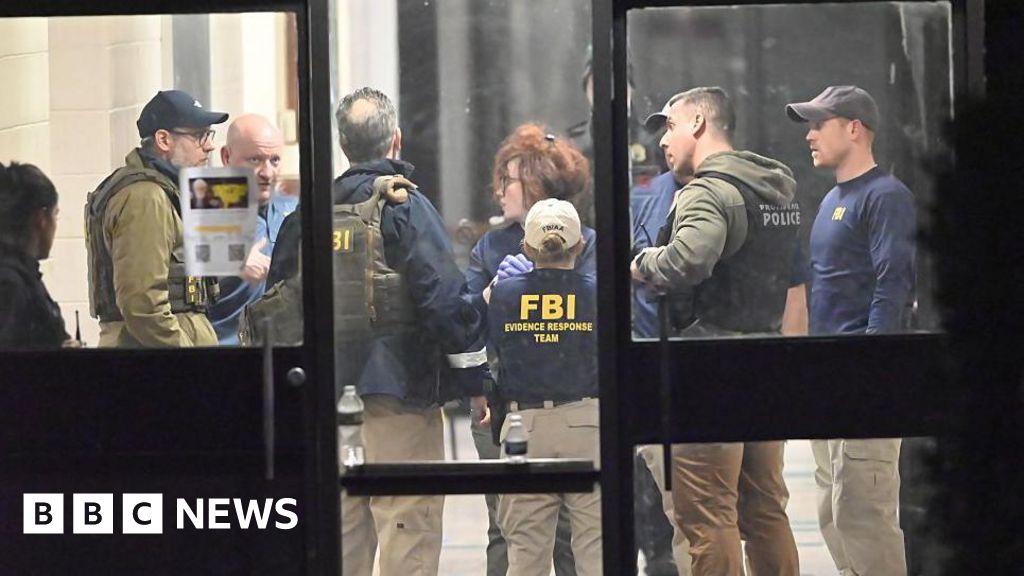
Crucially, authorities now believe the detained individual is not the person seen in CCTV footage released shortly after the attack. The footage depicts a suspect walking away from the scene clad in all black clothing. The BBC, recognizing the potential for misidentification and harm, has ceased naming the previously released individual. The FBI had initially acted on a lead from Providence Police, detaining the person at a hotel in Coventry, Rhode Island, but that lead ultimately proved unfruitful.
“We are actively pursuing all leads and meticulously reviewing video evidence to identify the true perpetrator,” stated Mayor Brett Smiley, emphasizing the ongoing nature of the investigation. The search for additional footage is paramount, officials say, hoping to piece together a clearer picture of the events leading up to and following the shooting.
Campus in Recovery, Community in Mourning
The immediate aftermath of the shooting saw approximately 2,000 students relocated to safe locations, a testament to the coordinated response of university officials and local residents. Brown University President Christina Paxson expressed her gratitude for the outpouring of support, noting that many community members opened their homes to provide shelter. “I was deeply moved by the generosity and compassion shown by our students and neighbors,” she said in a statement.
While seven of the injured remain in stable condition, one student is still listed in critical condition, and another has been discharged. The identities of those killed are being withheld pending family notification, but President Paxson confirmed that all victims – both those who died and those wounded – were students. News emerged that Durham Academy alumna, Kendall Turner, was among those injured, prompting an outpouring of support from her former school in North Carolina.
A vigil is planned for Sunday evening, offering a space for the Brown University community and the wider city of Providence to grieve and find solace together. Mayor Smiley, having visited victims and their families in the hospital, described being “overwhelmed” by their “courage, hope, and gratitude” in the face of unimaginable tragedy.
A Global Echo of American Gun Violence
The shooting at Brown University, an Ivy League institution renowned for its academic rigor and progressive values, resonates far beyond the borders of the United States. The incident serves as a stark reminder of the pervasive gun violence epidemic plaguing the country, a phenomenon that frequently draws international condemnation and scrutiny.
According to data from the World Bank, the United States has a gun homicide rate significantly higher than that of other high-income countries. In 2021, the US gun homicide rate was 5.8 per 100,000 people, compared to an average of 0.4 per 100,000 across other high-income nations. This disparity highlights the unique challenges facing the US in addressing gun violence and the urgent need for comprehensive policy solutions.
President Donald Trump offered his condolences from the White House, expressing hope for the swift recovery of the injured and paying respects to the families of the deceased. However, his statement did little to address the underlying issues contributing to the ongoing crisis. The attack underscores the deeply polarized political landscape surrounding gun control in the US, where meaningful legislative action remains elusive.
The investigation continues, and the Brown University community, along with the nation, awaits answers. But beyond the immediate search for a suspect, this tragedy demands a broader conversation about gun safety, mental health, and the societal factors that contribute to the cycle of violence. The world is watching, and the need for change is becoming increasingly urgent.