Brazil: Robusta Coffee Production Surges Amid Climate Challenges
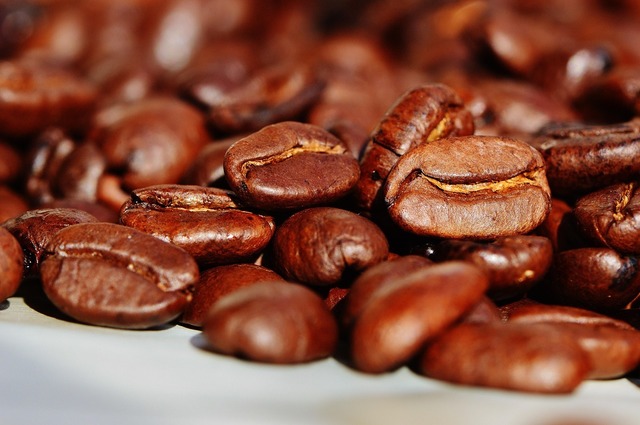
Brazil’s Coffee Shift: Robusta Gains Ground as Climate Challenges Loom
SÃO PAULO – The familiar taste of Brazilian coffee may be subtly changing. A dramatic increase in robusta coffee production is underway, fueled by the escalating challenges climate change poses to the country’s historically dominant arabica beans.
Brazil, the world’s largest coffee producer, is witnessing robusta output rise at a rate exceeding 81% over the last decade, according to data from the United States Department of Agriculture (USDA). This isn’t a matter of shifting consumer preference, but a pragmatic response to a changing climate, experts say.
“The growth in robusta production isn’t being driven by demand,” explains Fernando Maximiliano, a market information manager at StoneX. “It’s a direct result of climate issues and losses in arabica crops.”
Arabica Under Pressure
For generations, Brazil has been synonymous with arabica, prized for its smoother, more aromatic flavor profile. However, traditional arabica-growing regions are increasingly battling more frequent and intense droughts, coupled with rising temperatures. These conditions are making arabica cultivation increasingly difficult and less profitable.
Robusta, on the other hand, is a hardier variety, known for its higher caffeine content and more robust (as the name suggests) flavor. It’s also more tolerant of hotter temperatures and resistant to diseases, making it a more reliable crop in a warming world.
“In the warmer areas of Brazil where arabica can no longer be grown, producers are turning to robusta and implementing techniques to mitigate the impact of high temperatures, such as planting coffee trees under the shade of native trees,” says Jonatas Machado, commercial director of Café Apuí, an agroforestry robusta producer in the Amazon.
A Rapid Rise in Robusta
The shift is already evident in production figures. While arabica production has seen annual growth of around 2% to 2.5% in recent years, robusta has surged ahead with nearly 4.8% annual growth. This season alone, robusta production is up almost 22%, marking a record harvest, according to StoneX.
This trend isn’t just about survival; it’s about maintaining Brazil’s position as a global coffee powerhouse. “Robusta represents an opportunity for Brazil to remain the world’s leading coffee supplier even as the effects of climate change intensify,” Maximiliano adds.
Beyond Brazil: A Global Impact
While Vietnam currently leads the world in robusta production, Brazil is rapidly closing the gap. Analysts at Rabobank suggest Brazil’s well-established supply chain could even allow it to surpass Vietnam in the coming years.
The changing coffee landscape also has implications for consumers. Robusta’s bolder flavor is increasingly appealing to younger generations who often customize their coffee with milk, creams, and syrups, masking the nuances of the bean itself. “They aren’t as interested in origins or tasting notes,” notes Matthew Barry, an analyst at Euromonitor International.
Furthermore, rising coffee prices globally could accelerate the shift towards robusta, as it remains a more affordable option. A new European Union law requiring imported products to be certified deforestation-free could further incentivize robusta production, as instant coffee – largely made from robusta – is currently exempt from the regulations.
The EU is the largest consumer of instant coffee, accounting for nearly 50% of global revenue, according to Grand View Research.
Despite traditionally lower prices, robusta is now fetching record returns, nearly double those of arabica varieties. This profitability is encouraging more Brazilian farmers to invest in robusta plantations, says Alexsandro Teixeira, a researcher at the national agricultural research company Embrapa. Producers are also focused on improving the quality of robusta beans, making the variety even more attractive to buyers.
The future of Brazilian coffee is being rewritten, one robusta bean at a time.