Best New Books: November 2025 – Fiction & Nonfiction Picks
New Literary Releases Offer Reflections on Resilience, Identity, and a Changing World
The literary landscape this month presents a compelling mix of fiction and nonfiction, grappling with themes of personal history, global upheaval, and the enduring human spirit. From the poignant reflections of a comedian on fatherhood to a harrowing firsthand account of captivity, and imaginative explorations of climate change, new releases offer readers a diverse range of perspectives.
Finding Strength in Shared Stories: Memoirs and Personal Histories
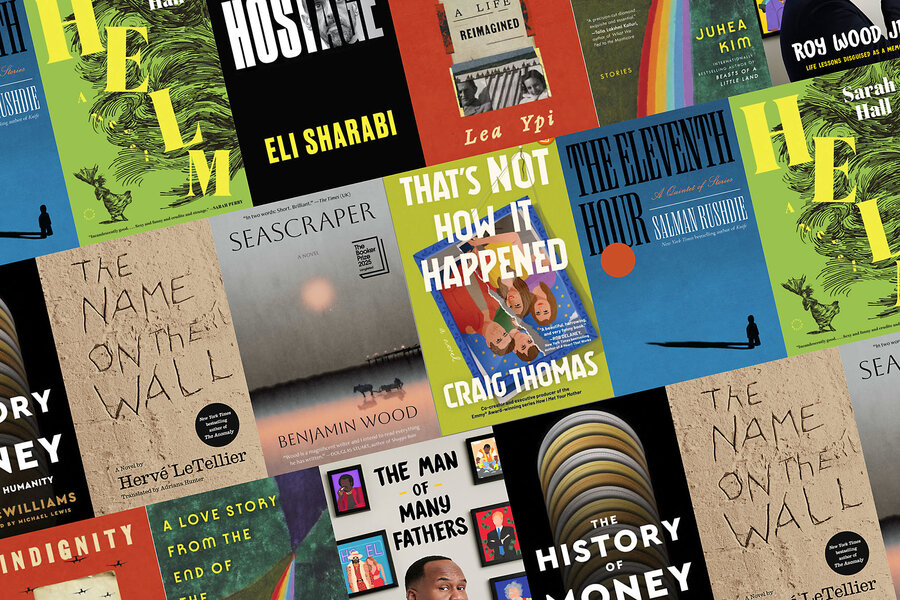
Comedian Roy Wood Jr.’s memoir, The Man of Many Fathers, stands out as a particularly resonant work. Wood doesn’t limit his definition of “father figure” to biological parents, instead exploring the influence of various men throughout his life. This broadening of perspective feels particularly timely, as traditional family structures continue to evolve. According to a 2023 UN report, families globally are becoming increasingly diverse, with single-parent households and blended families on the rise – a trend that necessitates a more inclusive understanding of familial bonds.
Equally powerful is Hostage by Eli Sharabi, a searing account of his 491 days held captive by Hamas after being kidnapped from his Israeli kibbutz on October 7, 2023. Sharabi’s story, reviewed by Barbara Spindel, is a testament to the resilience of the human spirit in the face of unimaginable adversity. The book offers a deeply personal perspective on the ongoing Israeli-Palestinian conflict, a region where, according to UNRWA, over 2 million Palestinians live in Gaza, facing significant humanitarian challenges.
Lea Ypi’s Indignity delves into the complexities of historical memory and national identity. Triggered by an online accusation against her grandmother, Ypi embarks on a journey to uncover the truth about her family’s past in 20th-century Albania, a nation grappling with its own turbulent history of Fascist and Communist regimes. The book’s exploration of truth and dignity resonates deeply in a world increasingly fractured by political polarization and historical revisionism.
Fiction That Reflects Our Times
Salman Rushdie, ever the literary provocateur, returns with The Eleventh Hour, a collection of five short stories that, according to Erin Douglass, “hum with verve.” Rushdie’s work consistently challenges conventional narratives, and this collection is no exception, tackling themes of rivalry, aging, and the very nature of creativity. His ability to blend the fantastical with the deeply human continues to captivate readers.
Benjamin Wood’s Seascraper offers a quieter, more atmospheric exploration of longing and the search for meaning. Set in a dreary English seaside town, the novel follows Tom, a young shrimp harvester yearning for a life beyond his current circumstances. The story, as Heller McAlpin notes in her review, feels timeless in its exploration of universal themes. This focus on the everyday struggles of ordinary people is a welcome counterpoint to the often-grand narratives of contemporary fiction.
Juhea Kim’s A Love Story From the End of the World takes a more speculative approach, exploring the impact of climate change through ten interconnected short stories. Kim’s poetic prose and deep connection to nature create a haunting and thought-provoking reading experience. The book serves as a stark reminder of the urgent need to address the climate crisis, a challenge that, according to the World Bank, disproportionately affects vulnerable populations around the globe.
Beyond the Headlines: Exploring Identity and Extremism
Hervé Le Tellier’s The Name on the Wall offers a compelling exploration of identity and the dangers of extremism. The novel, translated by Adriana Hunter, centers on a French resistance fighter whose name is etched on the wall of Le Tellier’s country home. Colette Davidson highlights the book’s relevance to contemporary issues, suggesting it “plumbs the depths of extremism.” This exploration of historical trauma and its lingering effects is particularly important in a world witnessing a resurgence of far-right ideologies.
A Touch of Humor and a Celebration of Family
Craig Thomas’s That’s Not How It Happened provides a welcome dose of humor and heartwarming storytelling. The novel follows Paige, a stay-at-home mom whose memoir about raising a son with Down syndrome attracts the attention of a Hollywood director. Stefanie Milligan praises the character of Emmett, the son, as “wonderful,” highlighting the book’s sensitive and nuanced portrayal of family life. This celebration of neurodiversity and the joys of parenthood offers a refreshing perspective in a literary landscape often dominated by more serious themes.
Finally, Sarah Hall’s Helm is described as a “great blast of a novel” that weaves together storylines across time and circumstance, all set against the backdrop of the blustery Cumbrian wind. Erin Douglass notes the novel’s freshness and surprising turns, making it a compelling read for those seeking a more experimental and challenging literary experience.
These new releases, taken together, offer a powerful and diverse reflection of the world we live in – a world grappling with complex challenges, but also filled with resilience, hope, and the enduring power of the human spirit.