Benin Coup Attempt: Talon Condemns ‘Foiled’ Bid – Live Updates
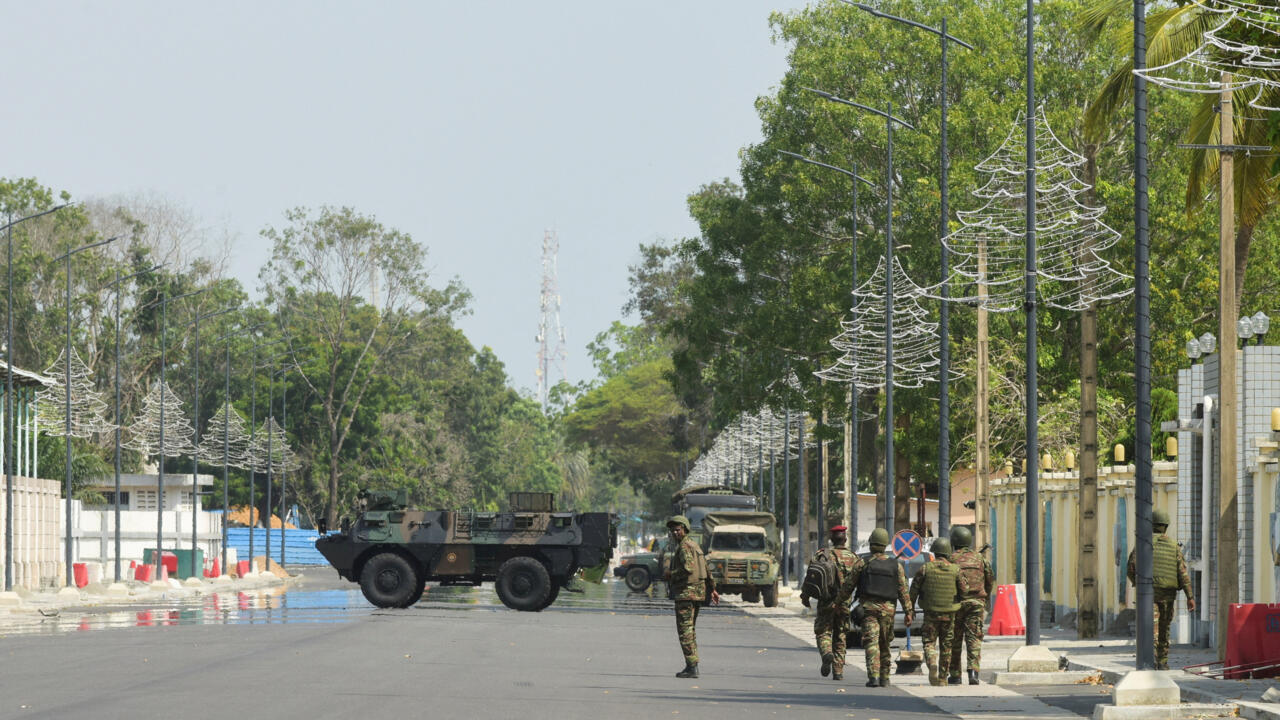
Benin Foils Apparent Coup Attempt, Raising Fears of Regional Instability
COTONOU, Benin – A tense Sunday in Benin saw a swiftly-moving attempt to overthrow the government of President Patrice Talon neutralized by the country’s armed forces, according to officials. The incident, which involved soldiers appearing on state television to announce the dissolution of the government, adds to a growing sense of unease in West Africa, a region already grappling with a surge in military takeovers and political instability.
The drama unfolded early Sunday morning when a group identifying themselves as the “Military Committee for Refoundation” announced their intentions on OrTB, Benin’s national broadcaster. The broadcast, quickly cut short, triggered immediate concern both domestically and internationally. Interior Minister Alassane Seidou swiftly countered the announcement via a Facebook video, declaring the coup attempt had been “foiled.” President Talon himself later condemned the effort in his first public statement since the initial reports surfaced, though his location remained initially unclear.
A Pattern of Unrest: West Africa’s Coup Crisis
Benin’s brush with a potential coup is not an isolated incident. Since 2020, West Africa has experienced a worrying trend of military interventions in countries like Mali, Burkina Faso, Guinea, and most recently, Niger. These coups, often justified by the military as responses to corruption, economic mismanagement, or security failures, have undermined democratic progress and raised concerns about regional security. According to ACLED (Armed Conflict Location & Event Data Project), political violence and instability in the Sahel region – which includes Benin – increased by 41% in 2023 compared to the previous year, demonstrating a clear escalation of risk.
The Economic Community of West African States (ECOWAS) has taken a firm stance against these unconstitutional changes of government, imposing sanctions and even threatening military intervention, as seen in the case of Niger. Following the events in Benin, ECOWAS swiftly ordered the deployment of troops from four member states to assist in stabilizing the situation. This rapid response underscores the regional bloc’s determination to prevent further democratic backsliding.
Nigeria’s Intervention and Regional Security Implications
Adding another layer to the unfolding events, Nigeria, a regional power, proactively deployed air force fighter jets to Benin’s airspace at the request of President Talon’s government. The stated purpose was to help dislodge the coup plotters from the state television network and a key military camp. This intervention, confirmed by a statement from President Bola Tinubu’s office, highlights Nigeria’s commitment to maintaining stability in the region and preventing the spread of instability.
The involvement of Nigeria is particularly significant given its own internal security challenges, including ongoing conflicts with Boko Haram and other extremist groups. However, Tinubu’s administration appears to view a stable West Africa as crucial to its own national security interests. The potential for a domino effect – where one successful coup encourages others – is a major concern for regional leaders.
Beyond Politics: The Roots of Discontent
While the immediate trigger for the attempted coup in Benin remains unclear, underlying factors likely contributed to the unrest. Benin, despite being considered one of the more stable democracies in West Africa, faces significant economic challenges, including high unemployment and rising poverty. These issues, coupled with perceptions of corruption and a lack of inclusive governance, can create fertile ground for discontent and fuel support for radical change.
Furthermore, the increasing threat of jihadist groups operating in the Sahel region is spilling over into coastal states like Benin. The government’s efforts to combat this threat, while necessary, may also be contributing to social tensions and grievances. According to the World Bank, Sub-Saharan Africa’s poverty rate remains stubbornly high, with approximately 40% of the population living below the international poverty line of $2.15 per day. This economic hardship fuels instability and creates vulnerabilities that extremist groups can exploit.
What’s Next for Benin and the Region?
The immediate aftermath of the foiled coup attempt will likely see a crackdown on suspected plotters and a tightening of security measures in Benin. However, addressing the underlying causes of discontent – economic hardship, corruption, and a lack of inclusive governance – will be crucial to preventing future attempts to destabilize the country.
The situation in Benin serves as a stark reminder of the fragility of democracy in West Africa and the urgent need for a comprehensive approach to addressing the region’s complex challenges. International partners, including ECOWAS, the African Union, and Western powers, must work together to support democratic institutions, promote economic development, and address the root causes of instability. The future of West Africa – and its ability to withstand the rising tide of extremism and political violence – depends on it.