Barbican Renewal: Inside the £200m Makeover of London’s Brutalist Icon
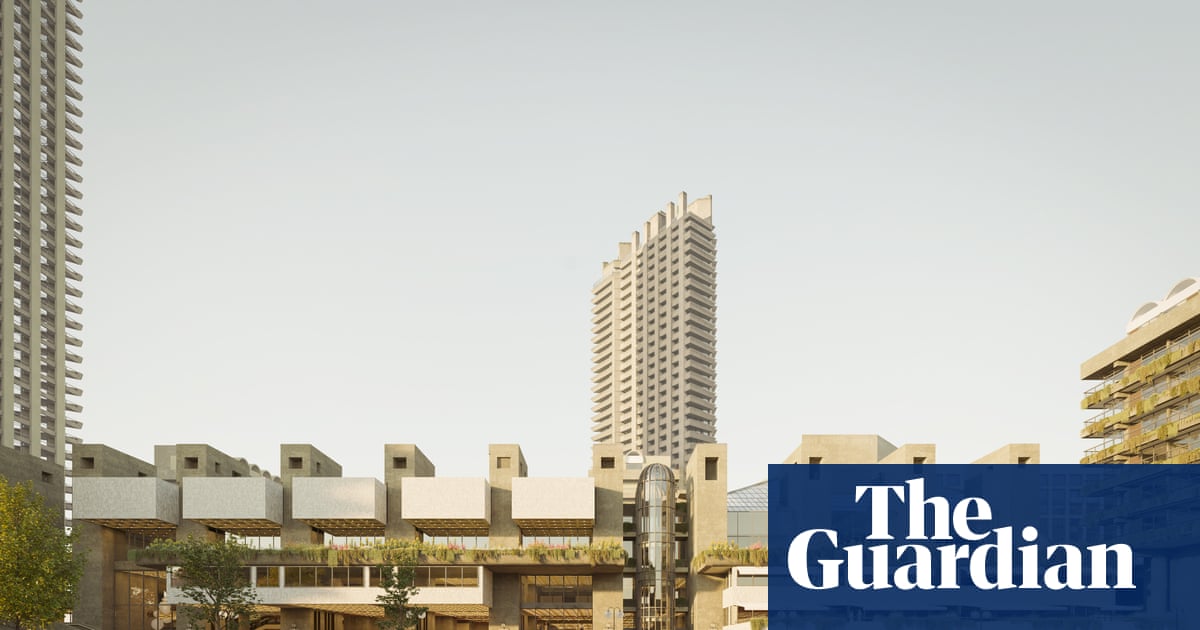
London’s Barbican Centre Prepares for a £200 Million Transformation
The Barbican Centre, a landmark of Brutalist architecture in the heart of London, is poised for a major overhaul, a £200 million project slated to begin in June 2028. The ambitious renovation, timed to coincide with the centre’s 50th anniversary in 2032, aims to address decades of wear and tear, improve accessibility, and secure the future of this iconic cultural hub. The project represents a significant investment in the UK’s cultural infrastructure, reflecting a growing recognition of the Barbican’s importance not just as an architectural statement, but as a vital engine for the arts.
A Fortress Transformed
The Barbican’s name itself speaks to its origins. Derived from the Old French barbacane, it historically denoted a fortified gateway, a defensive structure protecting a city or castle. The site in London once housed a medieval barbican, and that sense of imposing strength has, in many ways, persisted in the modern complex. Built over two decades and opening in 1982, the Barbican Estate and Arts Centre rose from the rubble of wartime bombing, a bold attempt to revitalize the City of London. However, its labyrinthine layout – famously requiring visitors to follow a yellow line to navigate – has always been a source of both fascination and frustration.
For years, the Barbican has defied easy categorization. Initially met with mixed reactions, even derision, it has gradually become a beloved, even revered, cultural institution. This shift in perception mirrors a broader trend in architectural appreciation. Brutalism, once dismissed as cold and austere, is experiencing a resurgence in popularity, with its raw concrete forms and monumental scale now seen as embodying a powerful aesthetic. According to a 2023 report by Statista, the global architecture market is projected to reach $968.70 billion by 2028, with a growing emphasis on the preservation and adaptive reuse of existing structures like the Barbican.
Beyond the Concrete: Addressing Decay and Accessibility
The upcoming renovation isn’t about aesthetic changes; it’s about essential repairs and improvements. The Grade II-listed complex suffers from a range of issues, including leaks, crumbling facades, outdated mechanical systems, and significant accessibility challenges. The refurbishment will tackle these problems head-on, ensuring the Barbican remains a functional and welcoming space for generations to come. This includes a significant upgrade to the conservatory, the building’s stunning indoor garden, which will be made more accessible to the public. The conservatory, often described as a “Kew Palm House for the East End,” is a particularly popular feature, offering a tranquil oasis amidst the concrete landscape.
Previous attempts at “softening” the Barbican’s brutalist aesthetic, such as the ill-fated pointillist stippling and gilded statues of the early 1990s, were largely unsuccessful. Geoffrey Powell, one of the original architects, famously dismissed these efforts as “feeble tinkering.” The current approach, overseen by Allies and Morrison and Asif Khan Studio, is far more pragmatic, focusing on “fabric first” principles – diligently repairing and upgrading the existing structure rather than imposing a new stylistic vision. This reflects a growing understanding that the Barbican’s power lies in its uncompromising architectural integrity.
Navigating the Labyrinth: A New Approach to Wayfinding
The Barbican’s notoriously confusing layout has long been a source of amusement and frustration. Stories abound of visitors, even renowned explorers, getting lost in its network of walkways, decks, and staircases. Turner Prize-winning collective Assemble has been tasked with improving wayfinding, a challenge that many believe is insurmountable. However, the existing “Ariadne’s thread” – the famous yellow line – has already proven remarkably effective, and Assemble’s work will likely build upon this established system. Effective wayfinding is crucial, not just for visitor convenience, but for maximizing the Barbican’s potential as a cultural destination. A recent Nielsen study found that 77% of consumers prioritize experiences over material possessions, highlighting the importance of creating seamless and enjoyable visitor journeys.
A Shadow of Development: Concerns Over New Towers
While the Barbican itself is undergoing a sensitive restoration, its future is threatened by proposed developments in its immediate surroundings. Plans for two 20-story towers on Silk Street, designed by American architects SOM, have sparked fierce opposition from residents’ groups and heritage organizations. Critics argue that the hulking, Jenga-esque structures would overshadow the Barbican, disrupting its carefully considered urban context. Catherine Croft, director of the Twentieth Century Society, emphasizes the Barbican’s significance as “one of the most important postwar residential and cultural developments in the country, if not the world,” and argues that its status should be respected. The debate over these new towers underscores the ongoing tension between preservation and progress, and the challenges of balancing the needs of a growing city with the protection of its cultural heritage. The Barbican, it seems, may still have some defending to do, not just of its physical structure, but of its place within the London landscape.