Apple Surpasses Samsung: iPhone Sales Hit 243 Million Units in 2025
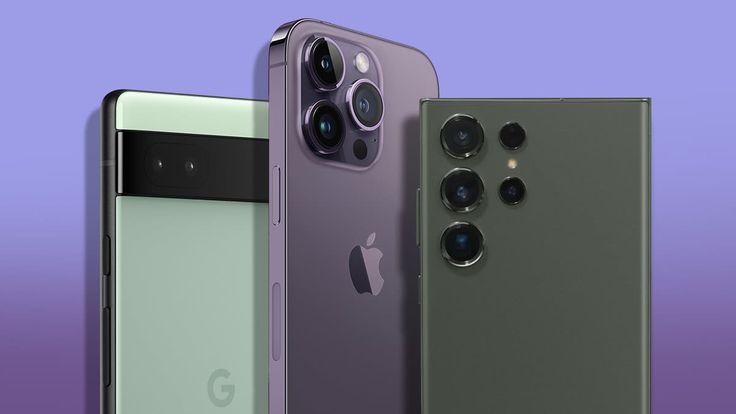
Apple Claims Smartphone Crown, Ending Samsung’s 14-Year Reign
After more than a decade trailing behind its South Korean rival, Apple has finally ascended to the top of the global smartphone market. New data from Counterpoint Research indicates iPhone sales are projected to reach 243 million units in 2025, edging out Samsung’s estimated 235 million units.
Image for illustrative purposes.
iPhone 17 Fuels the Surge
The dramatic shift is largely attributed to robust demand for the iPhone 17 series. Sales figures for the latest iPhones have significantly outperformed previous generations, particularly in key markets like the United States and China. This success underscores Apple’s continued strength in the premium smartphone segment.
Currently, Apple is estimated to control approximately 19.4% of the global market share, a slight increase over Samsung’s 18.7%. This marks the most significant change in the smartphone industry’s power dynamics in over a decade, reflecting growing customer loyalty to the Apple ecosystem and the consistent execution of its product strategy.
What This Means for Samsung and the Industry
While relinquishing the top spot, Samsung remains a formidable player, particularly in the mid-range and entry-level smartphone categories. However, the competition at the high end is expected to intensify as Apple continues to innovate. The Korean tech giant will need to focus on differentiating its flagship devices to maintain its market position.
“This isn’t simply a numbers game,” explains industry analyst Carolina Milanesi. “It represents a fundamental shift in consumer preference. Apple has successfully cultivated a brand image synonymous with quality and innovation, and that’s resonating with buyers willing to pay a premium.”
Broader Economic Implications
The rise of Apple has implications beyond the consumer electronics market. The company’s success contributes significantly to the U.S. economy, supporting jobs and driving innovation in related industries. Furthermore, the increased competition between Apple and Samsung is likely to spur further advancements in smartphone technology, benefiting consumers worldwide.
The global smartphone market is a key indicator of economic health, and this shift in leadership signals a potential realignment of power within the tech sector. Governments and regulatory bodies will be closely watching these developments to ensure fair competition and protect consumer interests.
Related: Apple Plans to Extend iPhone Release Cycle to Every Two Years Starting in 2026
Source: Counterpoint Research