Andy Dick: No Rehab After Overdose – See the Interview!

Andy Dick Declines Rehab Following Overdose, Leans on Friends
Los Angeles, CA – Comedian Andy Dick, known for his roles in television series like “NewsRadio” and “Las Vegas,” has stated he has no intention of entering a rehabilitation program following a recent drug overdose in Los Angeles. The incident, captured by TMZ, sparked concern among fans and industry peers, but Dick, in a candid interview with the outlet, asserted his preference for relying on his existing support network.
A Troubled Past, A Firm Stance
The overdose, which occurred earlier this week, prompted a public outpouring of worry. Footage showed Dick being attended to by friends who appeared to administer aid before emergency services arrived. Dick confirmed to TMZ that the overdose was a result of crack cocaine use. Despite the severity of the situation, he repeatedly dismissed the suggestion of seeking professional help, even posing the question of rehab to his friends and the TMZ reporter before declaring it “out of the question.”
This isn’t Dick’s first brush with substance abuse and public struggles. He has openly discussed his battles with addiction for years, and his career has been punctuated by periods of instability. The comedian has faced legal issues related to his behavior, including arrests for public intoxication and alleged assault. His current stance raises questions about the effectiveness of intervention and the challenges individuals face when confronting addiction.
The Power of Peer Support – And Its Limits
Dick emphasized the importance of his close-knit circle of friends, stating he feels most supported by those who already know and understand his struggles. He described them as his “real” friends, implying a level of trust and acceptance he doesn’t necessarily expect from a clinical setting. However, the TMZ interview also revealed a degree of strain within this support system, with friends admitting they hadn’t anticipated being in a position where they were responsible for his immediate well-being.
The reliance on peer support, while potentially valuable, highlights a critical gap in addiction treatment. While friends can offer emotional support and companionship, they often lack the medical and psychological expertise to address the underlying causes of addiction and provide effective long-term care. According to a 2023 report by the Substance Abuse and Mental Health Services Administration (SAMHSA), approximately 48.7 million Americans aged 12 or older struggled with substance use disorder in the past year, yet only a small percentage receive the treatment they need.
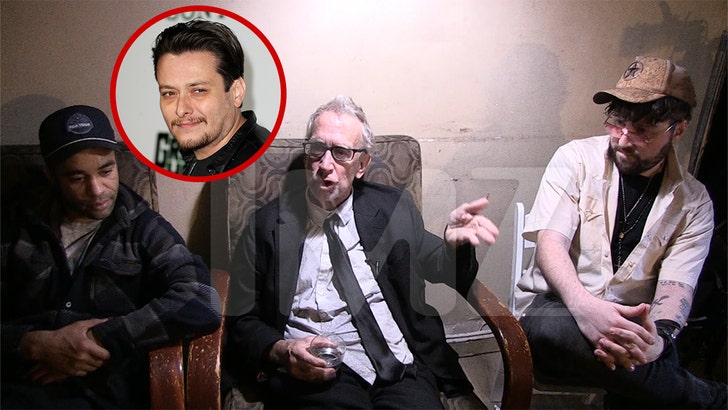
A Celebrity Outreach: Edward Furlong’s Call
Amidst the turmoil, a surprising connection emerged. Actor Edward Furlong, known for his role in “Terminator 2: Judgment Day,” reportedly reached out to Dick to offer support. Dick shared details of the call with TMZ, suggesting Furlong’s experience with his own struggles resonated with him. This instance underscores the often-unseen network of support that exists within the entertainment industry, where individuals facing similar challenges may find solace and understanding from their peers.
The Broader Context: Addiction in Hollywood
Andy Dick’s situation is unfortunately not unique within the entertainment industry. The pressures of fame, demanding schedules, and easy access to substances contribute to a higher prevalence of addiction among actors, musicians, and other creative professionals. The industry has historically struggled with addressing these issues, often prioritizing image and profitability over the well-being of its talent. However, there’s a growing movement towards greater awareness and support, with organizations like SAG-AFTRA offering resources and advocating for better mental health care for its members.
The case also brings to mind the tragic losses of other prominent figures who battled addiction, such as Philip Seymour Hoffman and Heath Ledger, serving as stark reminders of the devastating consequences of untreated substance use. The entertainment industry, while often glamorous on the surface, can be a breeding ground for vulnerability and isolation, making individuals susceptible to the grip of addiction.
Ultimately, Andy Dick’s decision to forgo rehab is a personal one. However, it raises important questions about the complexities of addiction, the limitations of peer support, and the need for accessible and effective treatment options. Whether his current approach will prove sustainable remains to be seen, but his story serves as a poignant reminder of the ongoing struggle faced by millions battling substance use disorder.
Editor’s note: Original story included a verified social media post.