Amsterdam Protests: Israeli Singer’s Concert Sparks Clashes & Disruption
Protests Erupt in Amsterdam Over Israeli Singer’s Performance
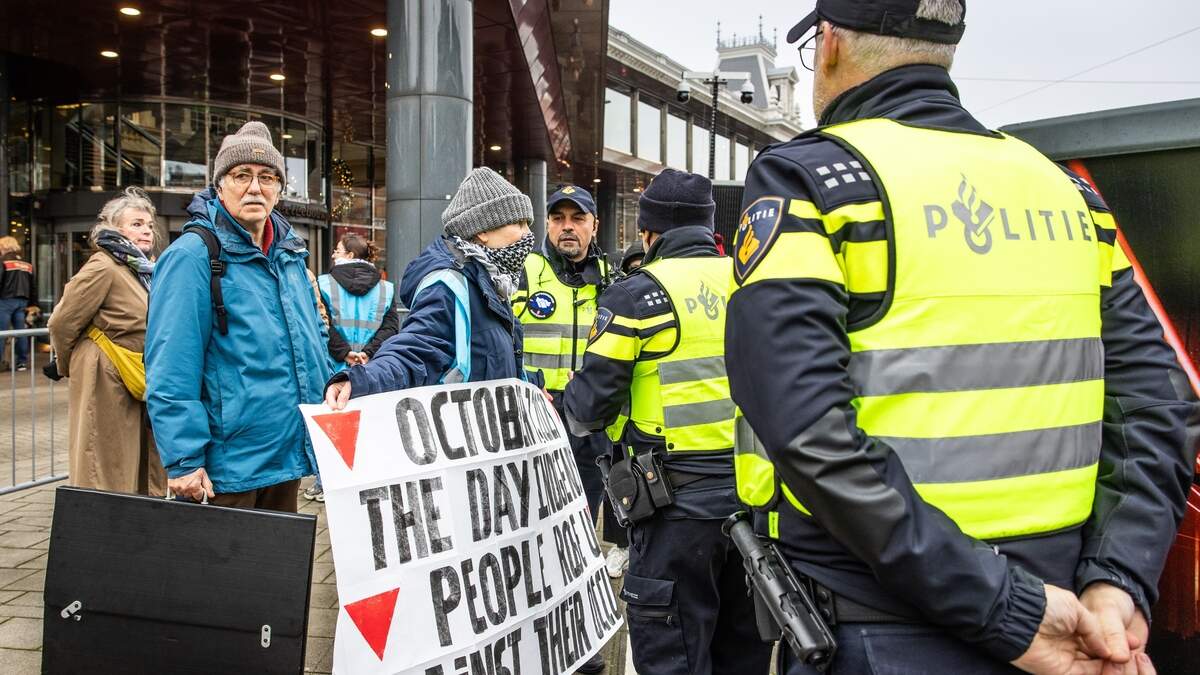
Amsterdam – A performance by an Israeli singer at the Concertgebouw concert hall sparked significant protests Tuesday evening, resulting in confrontations between demonstrators and authorities. The event, coinciding with the Jewish festival of Hanukkah, drew a large crowd of protesters voicing opposition to the singer’s presence and, more broadly, to Israeli policies.
The demonstrations, which began hours before the concert, escalated as attendees arrived. Protesters reportedly blocked entrances, chanted slogans, and in some instances, engaged in physical altercations with concertgoers. Police intervened, deploying crowd control measures and making several arrests. Reports indicate the use of smoke bombs and projectiles thrown at police.
“It was incredibly tense,” said a concert attendee who wished to remain anonymous. “You could feel the anger on both sides. It was frightening to try and get inside.”
Echoes of Past Protests
The scale of the demonstration has drawn comparisons to previous protests in the city, including one held outside the Anne Frank House last year. One observer noted the current situation felt “just as bad” as the protest at the Holocaust Museum, highlighting the sensitivity surrounding expressions of political dissent and the potential for escalation.
The Dutch government has faced increasing pressure to address rising antisemitism and Islamophobia, particularly in the wake of the ongoing conflict in Gaza. According to a recent report by the Centre for Information and Documentation on Israel (CIDI), antisemitic incidents in the Netherlands have risen sharply in recent months, with a 30% increase reported since October 7th.
A Complex Intersection of Issues
The protests weren’t solely focused on the singer’s nationality. They represent a complex intersection of issues, including the Israeli-Palestinian conflict, concerns about artistic freedom, and broader anxieties about rising polarization. The Concertgebouw, a renowned venue known for its diverse programming, found itself at the center of a heated debate.
“This event underscores the challenges cultural institutions face when navigating politically charged situations,” explains Dr. Elara van der Meer, a professor of political science at the University of Amsterdam. “There’s a delicate balance between upholding freedom of expression and ensuring a safe and inclusive environment for all.”
Police Response and Aftermath
Amsterdam police confirmed they deployed units to maintain order and prevent further escalation. Several individuals were detained for public order offenses, and an investigation is underway to identify those involved in acts of violence.
The concert ultimately proceeded, but under heightened security. The incident has reignited discussions about the appropriate boundaries of protest and the responsibility of cultural institutions to address sensitive political issues. The long-term impact on the city’s cultural landscape remains to be seen.
The incident serves as a stark reminder of the global reach of the Israeli-Palestinian conflict and its ability to ignite passions and protests even in seemingly distant locations. It also highlights the growing need for dialogue and understanding in a world increasingly divided by political and ideological differences.