Airbus to rescue 2,750 UK jobs after Boeing deal | City A.M.
Airbus to Bolster UK Manufacturing with Boeing Deal, Saving Thousands of Jobs
Belfast, Northern Ireland & Prestwick, Scotland – A lifeline has been thrown to UK aerospace workers as Airbus prepares to announce the acquisition of key assets from Spirit Aero Systems, rescuing approximately 2,750 jobs across Northern Ireland and Scotland. The move, stemming from Boeing’s $4.7 billion acquisition of Spirit, promises stability for a sector facing uncertainty following Boeing’s recent quality control struggles and the evolving landscape of aircraft manufacturing.
Averting a Crisis in UK Aerospace
The deal, expected to be confirmed as early as Monday, will see Airbus take on 1,550 roles at a crucial wing manufacturing facility in Belfast, Northern Ireland. An additional 1,200 positions will be secured at the Prestwick, Scotland plant, specializing in the production of leading and trailing edges for aircraft wings. For months, the future of these sites hung in the balance, prompting concerns about potential job losses and the impact on the UK’s aerospace industry.
“This is a significant win for UK manufacturing and a testament to the skills and expertise of our workforce,” stated a source familiar with the negotiations, speaking on condition of anonymity. “The uncertainty surrounding Spirit Aero Systems had created a very anxious environment, and this deal provides much-needed clarity and security.”
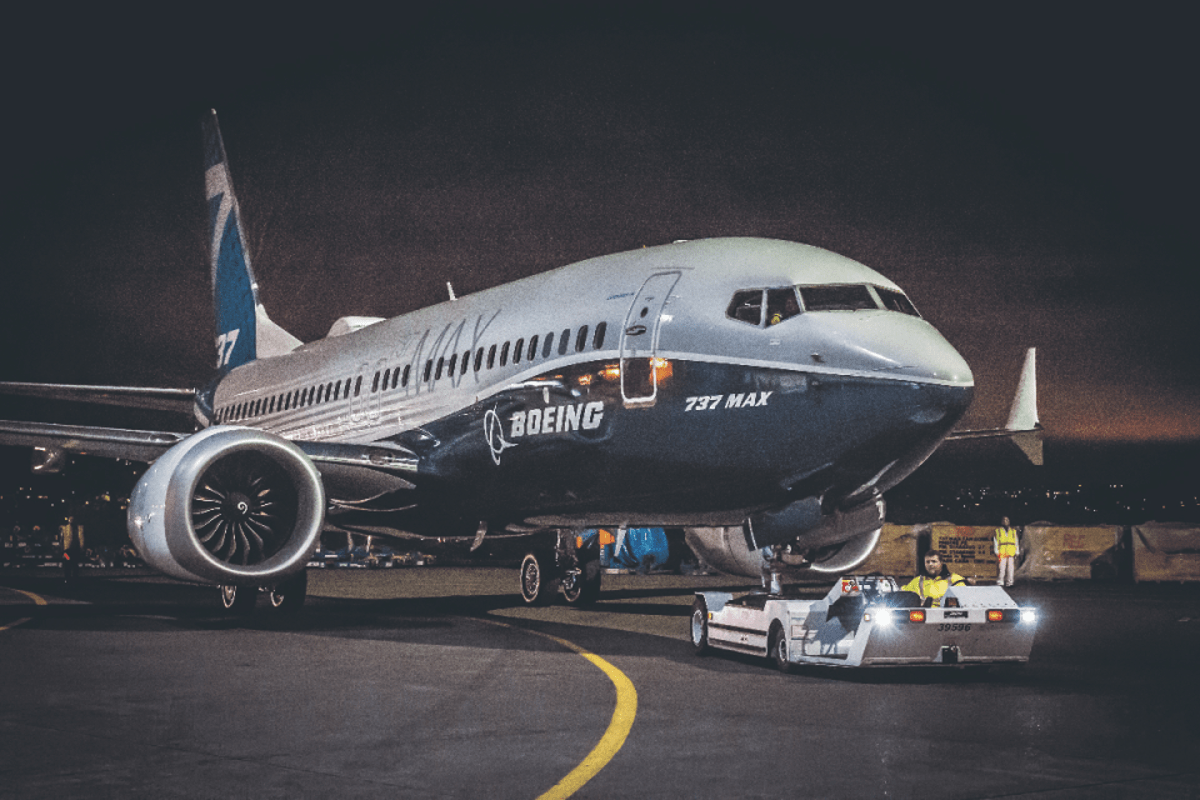
The acquisition comes at a critical juncture for both Airbus and Boeing. Boeing’s decision to reacquire Spirit Aero Systems was largely driven by quality control issues that plagued the 737 MAX program, including the mid-air door plug blowout on an Alaska Airlines flight in January 2024. The incident triggered intense scrutiny of Boeing’s manufacturing processes and raised serious questions about its oversight of suppliers like Spirit.
Boeing’s Troubles and Airbus’ Opportunity
Boeing’s struggles have presented an opportunity for Airbus to strengthen its position in the global aircraft market. While Airbus has not been immune to challenges – a recent systems glitch requiring urgent software updates across its fleet highlighted vulnerabilities – the company has generally maintained a stronger reputation for quality and reliability in recent years.
The UK plants acquired from Spirit Aero Systems have a long and storied history. The Belfast facility, originally established by Short Brothers in 1936, has been a cornerstone of the UK’s aerospace industry for decades. The Prestwick plant, acquired by Spirit from BAE Systems in 2006, is equally vital, contributing significantly to the production of wings for a wide range of Airbus aircraft.
According to data from the Statista, the global aerospace industry generated approximately $865 billion in revenue in 2023, and is projected to reach over $1 trillion by 2028. Maintaining a strong manufacturing base in the UK is crucial for capturing a share of this growing market.
Navigating Regulatory Hurdles and Future Prospects
The deal received a significant boost with the approval from the US Federal Trade Commission (FTC). Boeing announced it expects to finalize the acquisition of Spirit AeroSystems by the end of the year. Airbus emphasized that the FTC decision “formalises the pathway for Airbus to acquire the Spirit capabilities that are essential to our commercial aircraft programmes.”
While Airbus is expected to retain the majority of the workforce at both Belfast and Prestwick, Boeing will reportedly retain the remaining 2,000 employees at the Belfast site and those in Scotland not transferred to Airbus. This arrangement aims to minimize disruption and ensure continuity of operations.
The Wider Implications for Global Supply Chains
The Airbus-Spirit deal underscores the increasing complexity of global aerospace supply chains. The industry has become heavily reliant on specialized suppliers, often located in different countries, to manufacture components and sub-assemblies. This reliance can create vulnerabilities, as demonstrated by the recent Boeing crisis.
“The trend towards outsourcing and globalization has undoubtedly increased efficiency and reduced costs,” explains aviation analyst, Richard Evans. “However, it has also created challenges in terms of quality control and supply chain resilience. Companies are now re-evaluating their sourcing strategies and looking for ways to bring more control back in-house.”
The acquisition of Spirit Aero Systems assets by Airbus represents a strategic move to strengthen its supply chain and secure access to critical manufacturing capabilities. It also sends a clear signal that the UK remains a vital hub for aerospace innovation and production. As the industry navigates a period of rapid change, the ability to adapt and invest in skilled labor will be paramount to success.