Lula’s Brazil: Industrial Policy, High Rates & Development Challenges
Lula’s Ambitious Brazil Plan Faces Economic Headwinds
SÃO PAULO – Brazilian President Luiz Inácio Lula da Silva is pursuing a bold industrial policy aimed at revitalizing the nation’s economy, boosting renewable energy, and strengthening its defense capabilities. However, the initiative faces significant hurdles, primarily stemming from stubbornly high interest rates and persistent fiscal constraints that threaten to derail its ambitious goals.
A Beacon of Independence in a Shifting Global Order
Brazil, alongside South Africa under President Cyril Ramaphosa, has emerged as a notable voice for the developing world, particularly in its willingness to challenge established powers. Lula has successfully navigated complex geopolitical waters, notably securing the rollback of a 40% tariff imposed on Brazilian agricultural exports by the previous U.S. administration, as reported by Reuters. Similarly, sanctions against Brazilian Supreme Court Justice Alexandre de Moraes, levied over his rulings against former President Jair Bolsonaro, were quietly lifted, demonstrating a degree of diplomatic leverage despite lacking the economic weight of nations like China.
Reindustrialization and the Renewable Energy Push
Lula’s industrial policy, unveiled in early 2024, represents a significant departure from market-led economic strategies. The program prioritizes six key areas: strengthening agro-industrial supply chains, increasing domestic production of pharmaceuticals and medical equipment, improving urban infrastructure, accelerating digitalization, expanding renewable energy capacity, and bolstering national defense. A core tenet of the plan is to triple renewable energy capacity and double energy efficiency by 2030, according to the Brazilian government. This commitment comes at a crucial time, as global governments grapple with fulfilling their climate commitments.
Tax Reform and Structural Challenges
Beyond the industrial policy, Lula’s administration has also undertaken efforts to simplify Brazil’s notoriously complex tax system and address its regressive elements. While these reforms are a step in the right direction, significant work remains to create a truly progressive tax structure. The administration is also attempting to address long-standing issues of economic inequality, a persistent challenge for Latin America’s largest economy. However, these efforts are hampered by a fragmented political landscape and strong opposition within Congress.
The Interest Rate Dilemma and Investment Stagnation
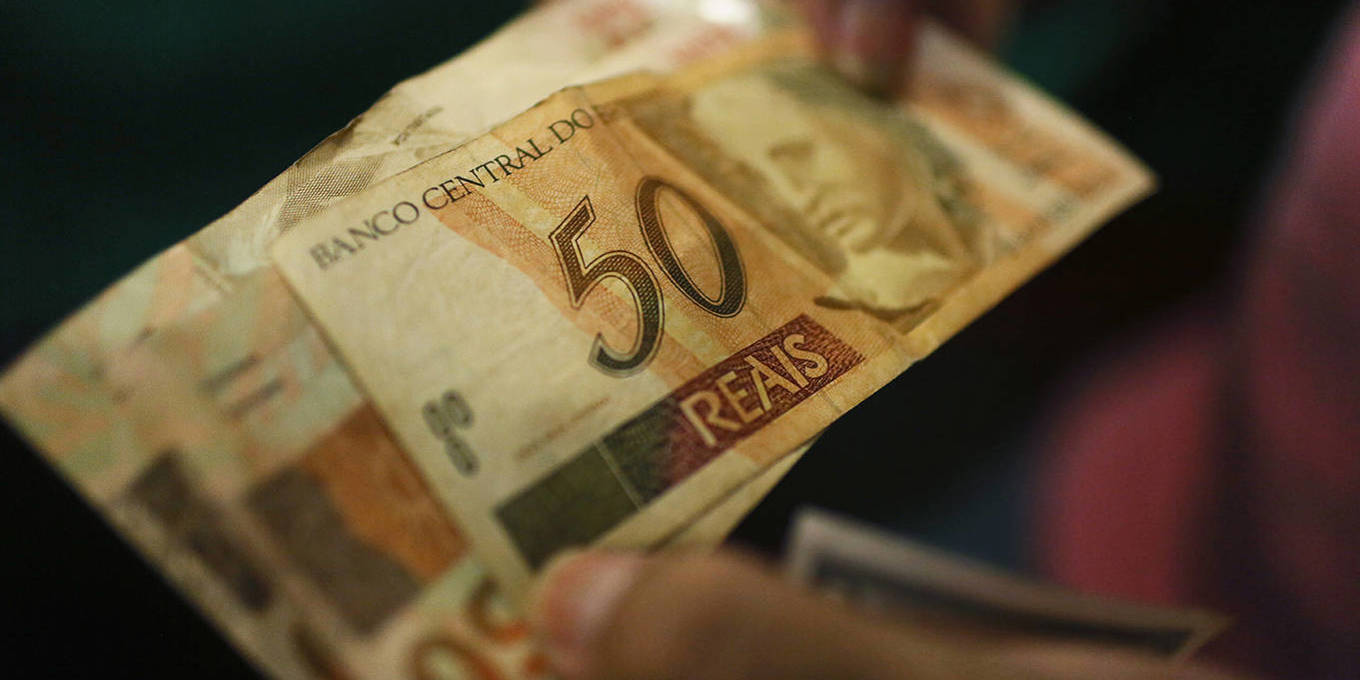
Despite seemingly favorable macroeconomic indicators – unemployment falling to 5.4% and inflation dipping below 4.5% – economists express deep skepticism about the long-term viability of Lula’s plans. The primary obstacle is Brazil’s exceptionally high interest rates. Currently, the benchmark Selic rate stands at 15%, resulting in a real interest rate of 9.4%, second only to Turkey globally. This makes private investment exceedingly difficult, contributing to a stubbornly low investment rate of around 18% of GDP.
This high-interest rate environment isn’t driven by economic necessity, but rather by political compromises. Successive governments have tolerated high returns for banks and financial investors in exchange for political and financial stability. Furthermore, the lack of capital controls and reliance on exchange-rate policy to manage inflation further exacerbate the problem, eroding the competitiveness of Brazilian businesses and hindering the very investment the industrial policy seeks to attract.
Debt Servicing and Fiscal Constraints
The high interest rates also place a significant strain on public finances. Between one-quarter and one-third of Brazil’s total public expenditure is allocated to servicing its debt – an extraordinarily high proportion. Currently, Brazil dedicates approximately 6% of its GDP to debt servicing, exceeding that of any other G20 nation. For comparison, Japan, despite having a public debt of 252% of GDP, spends only 0.1% of GDP on interest payments. The International Monetary Fund consistently highlights Brazil’s fiscal vulnerabilities, urging for greater fiscal discipline and structural reforms.
These constraints are not solely internal. Brazil’s exposure to global capital markets limits its policy autonomy, mirroring a broader trend where financial globalization has undermined the development objectives of middle-income countries. The success of Lula’s ambitious industrial policy hinges on overcoming these systemic challenges and creating a more sustainable and equitable economic environment for Brazil.