Marine Mammal Laws at Risk | Science
Landmark Marine Mammal Protections Face Rising Threats, Raising Public Health Concerns
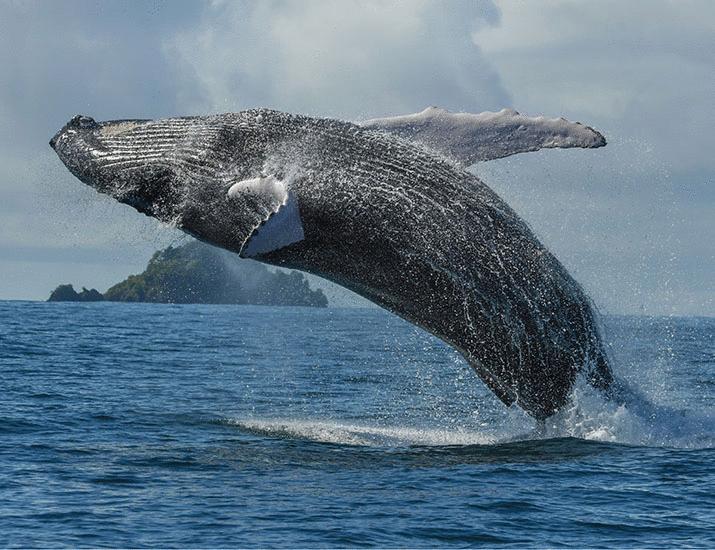
WASHINGTON – Dec. 12, 2023 – Decades of progress in protecting whales, dolphins, seals, and other marine mammals are increasingly at risk, according to a recent report published in Science. The weakening of key legislation, coupled with escalating human activities in the oceans, isn’t just an environmental issue; it poses a subtle but significant threat to human health, experts warn. These majestic creatures are vital indicators of ocean health, and their decline signals potential dangers for us all.
The Interconnectedness of Ocean Health and Human Wellbeing
For many, the image of a struggling marine mammal evokes empathy, but the connection to human health is often overlooked. Marine mammals occupy a critical position at the top of the oceanic food chain. As apex predators, they accumulate toxins and pollutants – including heavy metals, pesticides, and microplastics – in their tissues. When these pollutants reach high concentrations, they can impact the animals’ immune systems, reproductive success, and overall health. But the problem doesn’t end there.
These same toxins can enter the human food supply through seafood consumption. While regulatory agencies like the Food and Drug Administration monitor seafood for certain contaminants, the sheer volume and complexity of pollutants entering the ocean make comprehensive monitoring a challenge. Exposure to these toxins has been linked to a range of health problems in humans, including neurological disorders, developmental issues in children, and increased risk of certain cancers.
“We often think of ocean pollution as something ‘out there,’ affecting marine life,” explains Dr. Livia Grant, Senior Health Editor at worldys.news. “But the ocean is inextricably linked to our own wellbeing. The health of marine mammals is a barometer for the health of the entire marine ecosystem, and ultimately, for our own health.” You can learn more about the impact of environmental toxins on human health here.
Key Legislation Under Pressure
The primary legal framework protecting marine mammals in the United States is the Marine Mammal Protection Act (MMPA) of 1972. This landmark legislation established a moratorium on the taking of marine mammals and set forth a framework for their conservation. Similar laws exist internationally, but they are facing increasing pressure from various sources.
According to the Science report, these pressures include: increased seismic testing for oil and gas exploration, expanding shipping lanes, growing fishing industries, and the impacts of climate change. Loopholes in existing legislation, coupled with political lobbying, are eroding the protections afforded to these animals. For example, permits for incidental takes (harming or harassing marine mammals during otherwise lawful activities) are becoming more readily available, and enforcement of existing regulations is often lax.
The Rise of Noise Pollution and its Health Impacts
One of the most insidious threats to marine mammals is noise pollution. Ships, sonar, and seismic surveys generate underwater noise that can disrupt marine mammals’ communication, navigation, and foraging behavior. Chronic exposure to noise can lead to stress, hearing loss, and even strandings.
While the direct impact of noise pollution on human health is less clear, research suggests that prolonged exposure to loud noises can have detrimental effects on cardiovascular health and mental wellbeing. The World Health Organization (WHO) estimates that approximately 430 million people worldwide have disabling hearing loss, and a significant portion of this is attributable to noise exposure. While this figure primarily relates to terrestrial noise, it highlights the broader health consequences of unchecked noise pollution.
A Global Health Perspective: Harmful Algal Blooms and Marine Mammals
Climate change is exacerbating the problem of harmful algal blooms (HABs). Warmer water temperatures and increased nutrient runoff create ideal conditions for these blooms to flourish. HABs produce toxins that can accumulate in shellfish and fish, posing a risk to human health. Marine mammals are also vulnerable to these toxins, either through direct consumption of contaminated prey or through exposure to aerosolized toxins.
According to the Centers for Disease Control and Prevention (CDC), HABs are increasing in frequency and intensity worldwide. In 2022, the CDC reported over 3,000 cases of illness linked to HAB exposure in the United States alone. The economic impact of HABs is also substantial, with losses to the fishing and tourism industries estimated in the billions of dollars annually.
Protecting Marine Mammals: A Public Health Imperative
The fate of marine mammals is not simply an environmental concern; it’s a public health issue. Strengthening and enforcing existing legislation, reducing noise pollution, mitigating climate change, and improving monitoring of ocean contaminants are all crucial steps. Investing in research to better understand the complex interactions between marine ecosystems and human health is also essential.
“We need a One Health approach – recognizing the interconnectedness of human, animal, and environmental health – to address these challenges effectively,” says Dr. Grant. “Protecting marine mammals isn’t just about saving charismatic megafauna; it’s about safeguarding our own future.”