SZA Calls Out White House Over Music Use – & Their Response
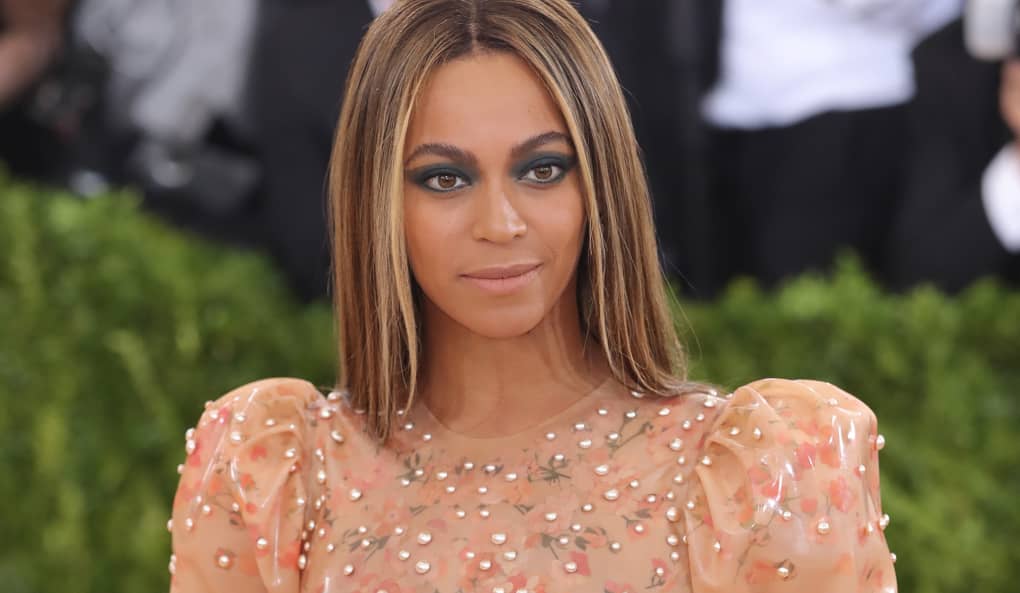
SZA Joins Growing Chorus of Artists Protesting Political Use of Music
The White House is facing mounting criticism from prominent musicians, including SZA, for utilizing their work in political advertising without consent. The latest clash, sparked by the use of SZA’s music in a pro-Immigration and Customs Enforcement (ICE) advertisement, underscores a growing tension between artists and political entities over the control and context of creative work. This isn’t an isolated incident; a wave of artists, including Sabrina Carpenter, have recently voiced their opposition to similar practices, raising questions about copyright, artistic integrity, and the ethics of political messaging.
The Spark: SZA’s Direct Response
On Thursday, SZA took to X (formerly Twitter) to express her outrage, describing the White House’s use of her music as “PEAK DARK…inhumanity + shock and aw tactics…Evil n Boring.” Her statement, delivered with characteristic bluntness, quickly gained traction, igniting a broader conversation about the appropriation of artistic expression for political gain. The singer’s frustration reflects a sentiment shared by many in the music industry who feel their work is being exploited to support agendas they do not endorse.
Editor’s note: Original story included a verified social media post.
SZA’s manager, Punch (Terrence Henderson) of Top Dawg Entertainment (TDE), further amplified the criticism, accusing the White House of deliberately attempting to provoke artists into responding, thereby amplifying the reach of potentially divisive propaganda. “Trying to provoke artist to respond in order to help spread propaganda and political agendas is nasty business. Knock it off,” he wrote.
A Defensive Response From the White House
In a move that many found tone-deaf and dismissive, the White House responded to SZA’s criticism with a statement that appeared to celebrate the attention drawn to ICE’s work. “Thank you, SZA, for drawing even more attention to the tremendous work America’s ICE officers are doing by arresting dangerous criminal illegal aliens in American communities,” the statement read. This response, rather than addressing the core issue of consent and artistic autonomy, doubled down on the political message, further fueling the controversy. It’s a tactic that highlights a fundamental disconnect between the administration and the artists whose work they are utilizing.
The Broader Context: A History of Contentious Usage
This isn’t the first time a political entity has faced backlash for using music without permission. Throughout history, artists have grappled with the appropriation of their work for political purposes. From protest songs being co-opted by campaigns to musicians objecting to their music being played at rallies, the issue is deeply rooted in the intersection of art and politics. Reuters reported earlier this year on a growing movement among artists to gain more control over how their music is used in political campaigns, with some even exploring legal avenues to prevent unauthorized usage.
The current situation is particularly sensitive given the increasingly polarized political climate. Artists are often wary of being perceived as endorsing specific political ideologies, and the unauthorized use of their music can damage their brand and alienate fans. The rise of social media has also amplified the impact of these controversies, allowing artists to directly address their concerns and mobilize public opinion.
The Economic Impact & Industry Pushback
The music industry is a significant economic force. In 2023, global recorded music revenues reached $28.4 billion, according to the International Federation of the Phonographic Industry (IFPI). This revenue is generated not only through sales and streaming but also through licensing agreements for various uses, including film, television, and advertising. Unauthorized political usage undermines the established licensing system and devalues the intellectual property of artists.
Organizations like the American Society of Composers, Authors and Publishers (ASCAP) and Broadcast Music, Inc. (BMI) play a crucial role in protecting the rights of songwriters and publishers. However, navigating the legal complexities of political usage can be challenging, particularly when it comes to fair use exceptions. The current debate is likely to spur further discussion about strengthening copyright protections and clarifying the rules surrounding political advertising.
Why This Matters: Artistic Freedom and Political Messaging
The conflict between SZA, other artists, and the White House is more than just a dispute over music rights. It’s a fundamental question about artistic freedom and the ethical boundaries of political messaging. Artists have the right to control how their work is used and to prevent it from being associated with ideologies they oppose. The White House’s response, rather than acknowledging these concerns, demonstrated a willingness to exploit artistic expression for political gain, setting a dangerous precedent. This situation underscores the importance of respecting artistic autonomy and engaging in transparent and ethical practices when utilizing creative works in the political arena. For more on the intersection of entertainment and politics, explore worldys.news’ Entertainment section.