Claudia Winkleman: Why Britain Loves Its Unconventional Star
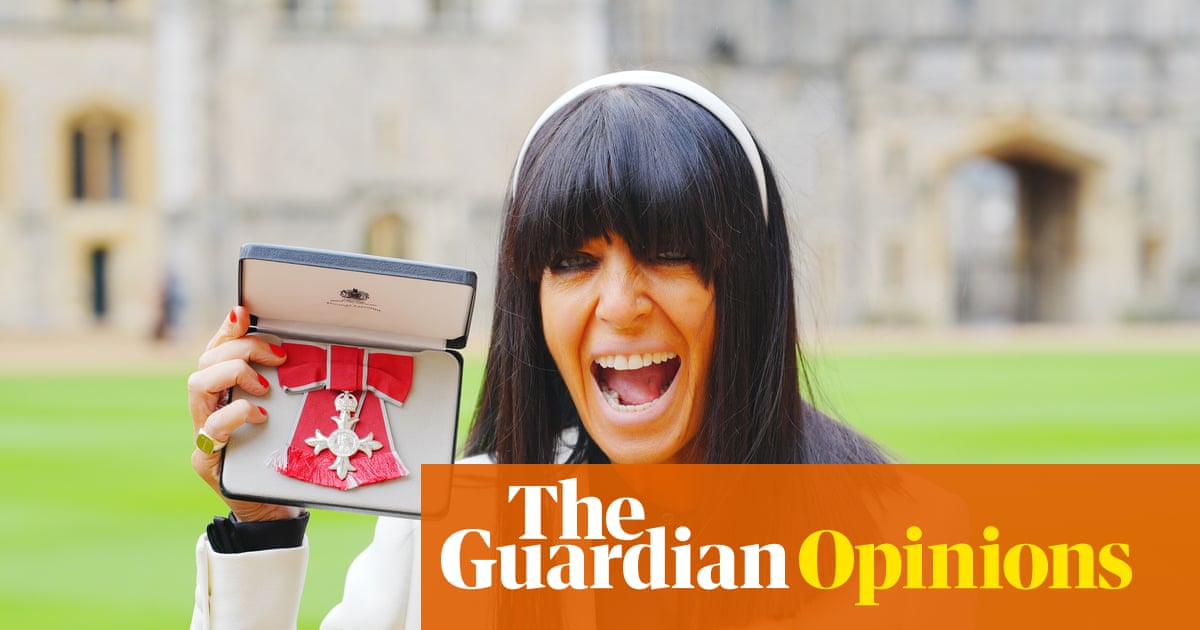
A Royal Appointment and the Unconventional Appeal of Claudia Winkleman
WINDSOR, England – The image was striking: King Charles III, beaming, presenting television personality Claudia Winkleman with her Member of the Order of the British Empire (MBE) on Tuesday. While Winkleman appeared characteristically bemused, it was the King’s evident delight that sparked a wider conversation – a celebration of a star who, by all conventional industry standards, shouldn’t be quite so beloved. Winkleman’s ascent to national treasure status is a fascinating case study in defying expectations in an increasingly homogenized entertainment landscape.
Breaking the Mold in a Polished Industry
The television industry, particularly in the UK, often favors a certain aesthetic: polished, relatable, and broadly appealing. Winkleman, however, actively subverts these norms. Her signature look – a deliberately bold, almost theatrical makeup style, and a famously voluminous fringe – is a far cry from the natural, often carefully curated appearances of many of her peers. She’s an anomaly, and that’s precisely her strength. It’s a refreshing departure from the often-soulless pursuit of blandness that pervades much of modern television.
This isn’t to say Winkleman lacks talent. Quite the contrary. Her success on shows like Strictly Come Dancing, where she serves as a co-host, and the hit reality competition The Traitors, demonstrates a genuine ability to connect with audiences. Whether playing the enthusiastic cheerleader or the subtly menacing interrogator, she embodies each role with authenticity. She’s affable without being saccharine, warm without being patronizing – a delicate balance that many presenters struggle to achieve.
The Power of Authenticity in a Cynical Age
Winkleman’s appeal extends beyond her on-screen persona. In an era defined by social media filters and carefully constructed public images, her willingness to embrace her individuality feels remarkably genuine. This authenticity resonates with viewers who are increasingly skeptical of manufactured perfection. According to a Statista report, trust in traditional media in the UK has declined significantly in recent years, with only 35% of respondents reporting high levels of trust in 2023. This decline underscores a growing desire for authenticity and transparency – qualities that Winkleman embodies.
The cultural impact of The Traitors, in particular, highlights this shift. The show, which tasks contestants with identifying “traitors” among them, became a cultural phenomenon in the UK, drawing in millions of viewers. Its success wasn’t simply due to its compelling format, but also to Winkleman’s masterful hosting. She created an atmosphere of suspense and intrigue, while simultaneously maintaining a playful, engaging tone. The show’s popularity demonstrates a hunger for entertainment that is both intellectually stimulating and emotionally resonant.
A Low Bar, But a Welcome Moment of Unity
As Polly Hudson noted in her piece for The Guardian, the widespread joy surrounding Winkleman’s MBE feels particularly poignant in a society often characterized by division and negativity. In a world saturated with outrage and polemic, the simple act of celebrating someone who is demonstrably good at their job – and appears to be a genuinely kind person – feels like a small victory. It’s a depressingly low bar, perhaps, but a welcome one nonetheless.
Winkleman’s story is a reminder that success doesn’t always require conformity. In fact, it’s often the individuals who dare to be different, who embrace their quirks and imperfections, who ultimately capture the public’s imagination. Her royal appointment isn’t just a recognition of her professional achievements; it’s a celebration of individuality and authenticity in a world that desperately needs both. For more on the evolving landscape of British television, explore worldys.news’ coverage of British television.