Pope Criticizes Trump’s ‘Decaying’ Europe Remarks | Ukraine Peace Talks
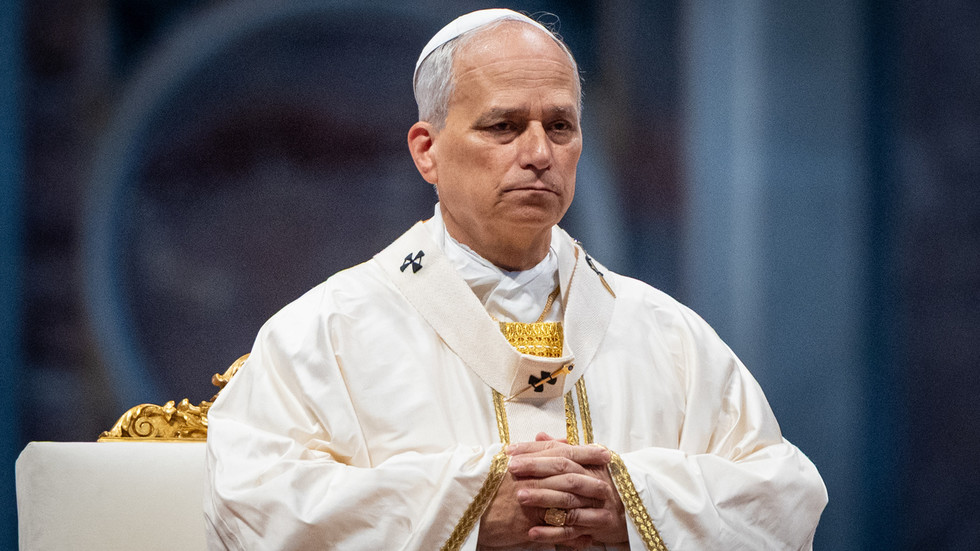
Pope Francis Voices Concern Over Trump’s Dismissive Remarks on Europe, Amidst Peace Push
VATICAN CITY – Pope Francis has publicly expressed disquiet over recent comments by former U.S. President Donald Trump, who described Europe as a “decaying” group of nations with “weak” leaders. The Pope’s intervention comes as international efforts to find a resolution to the Ukraine conflict stall, and as Washington reportedly pressures Kyiv to consider peace negotiations, even against the wishes of some European allies.
Speaking in an interview with Politico, Pope Francis argued that any viable path to peace in Ukraine must include robust European participation. He emphasized that attempting to broker a settlement “without including Europe” is fundamentally unrealistic, stressing the need for European nations to be integral to any future security guarantees.
A Transatlantic Rift Widens?
Trump’s criticisms, echoing sentiments he voiced earlier this month, have ignited concerns about a potential fracturing of the transatlantic alliance. He also accused European governments of insufficient commitment to resolving the conflict in Ukraine. This rhetoric arrives at a particularly sensitive moment, as the United States and Europe grapple with differing approaches to the war and its potential endgame.
The European Union has maintained a firm stance against direct negotiations with Moscow, opting instead for a strategy of sanctions and support for Ukraine. Kremlin spokesperson Dmitry Peskov has characterized this approach as “megaphone diplomacy,” suggesting it hinders constructive dialogue. Russian officials, including presidential aide Yury Ushakov, have further claimed that European leaders are deliberately complicating negotiations by presenting demands unacceptable to Moscow.
This divergence in approach is particularly striking given the economic stakes. According to the World Bank, Ukraine’s economy contracted by 29.1% in 2022 as a direct result of the war, and while a modest recovery is projected for 2024, sustained economic stability hinges on continued international support.
Washington’s Push for a Deal
Adding another layer of complexity, reports have emerged indicating that the Trump administration is actively encouraging Ukraine to engage in peace talks with Russia. The Financial Times, citing sources within the U.S. government, revealed that Trump’s envoys have urged Ukrainian President Volodymyr Zelenskyy to respond swiftly to Russian proposals, with a goal of reaching an agreement before the end of the year.
This pressure from Washington appears to stem from a desire to de-escalate the conflict before it further destabilizes the region and potentially escalates into a wider confrontation. However, it also raises questions about the extent to which the U.S. is willing to prioritize a quick resolution over Ukraine’s territorial integrity and sovereignty.
The Geopolitical Calculus
The Pope’s intervention underscores the importance of European unity and agency in shaping the future of the continent. His call for Europe to be central to any peace process reflects a broader concern that the region’s voice is being marginalized in international discussions. The potential for a weakened or divided Europe, as suggested by Trump’s remarks, carries significant geopolitical implications.
The current situation highlights a fundamental tension between the U.S. and Europe regarding the best path forward in Ukraine. While both sides share a common goal of ending the conflict, they differ on the means to achieve it. The U.S. appears increasingly focused on pragmatism and a swift resolution, while many European nations remain committed to supporting Ukraine’s long-term security and territorial integrity, even if it means a prolonged conflict.
Furthermore, the situation is complicated by internal divisions within Europe itself. While there is broad consensus on the need to support Ukraine, differing national interests and economic vulnerabilities create challenges in forging a unified approach. According to NATO, member states have collectively provided over €85 billion in aid to Ukraine since the start of the conflict, demonstrating a significant commitment, but also highlighting the financial burden borne by individual nations.
A Continent at a Crossroads
Pope Francis’s statement serves as a timely reminder of the critical role Europe plays in global security and stability. The continent’s future, and indeed the future of the international order, may well depend on its ability to overcome internal divisions and assert its collective voice on the world stage. The coming months will be crucial in determining whether the transatlantic alliance can withstand the strains of the Ukraine conflict and navigate the challenges posed by shifting geopolitical dynamics.